














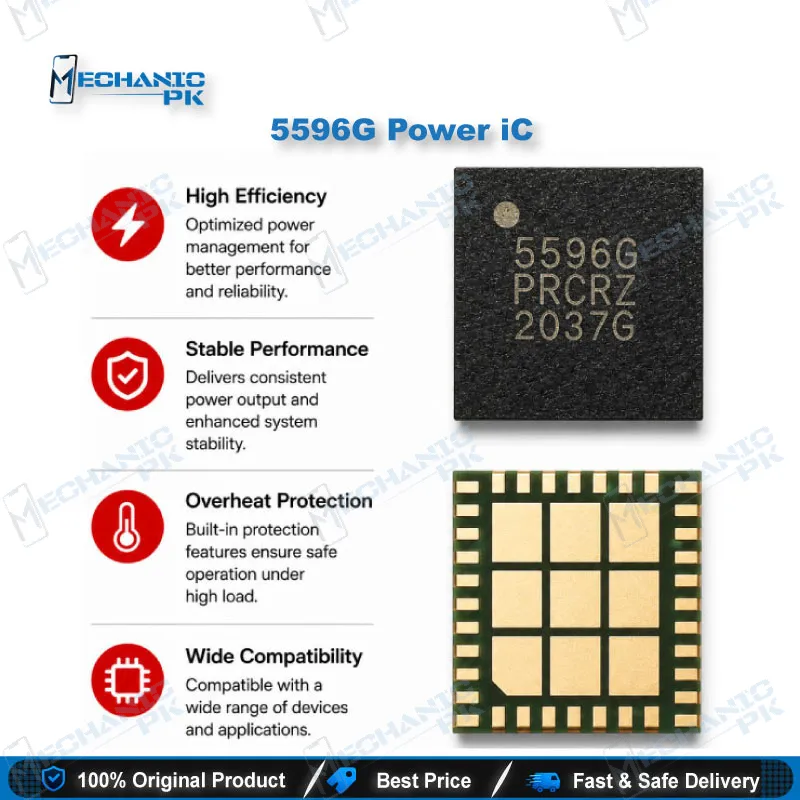
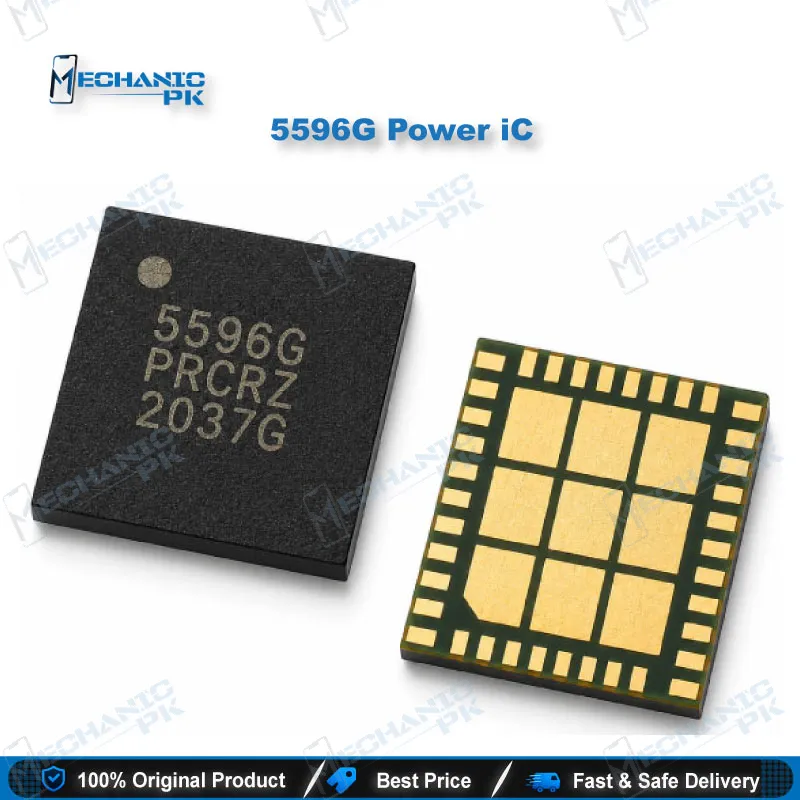
5596G PA IC NZ5596GTR1 Network Signal Amplifier IC
₨ 200
NZ5596GTR1 PA IC for Network Signal Repair
The 5596G PA IC, marked NZ5596GTR1, is a power amplifier chip in the network signal module of a phone’s motherboard. When a board shows no network or weak signal and the antenna and RF path check out, this IC becomes a prime suspect. Technicians use it for reflow when a joint is dry and for full IC change when the chip itself has failed. The page confirms a verified repair on the Infinix Smart 7 network module. Check the PA stage with voltage and continuity tests before you remove anything.
5596G PA IC NZ5596GTR1 in Mobile Network Signal Repair
The 5596G PA IC, also marked NZ5596GTR1, is a power amplifier used in the network signal path. Its job is to amplify the outgoing signal between the baseband and the antenna path. When a phone reports no service or a dead network condition, a fault at this stage can produce exactly those symptoms. This IC belongs on your bench when the basic checks pass but the handset still cannot hold a signal. The sections below walk through where it sits, how to isolate it, and how to repair and retest it.
Where the 5596G Sits in the Signal Path
The PA stage sits between the baseband output and the antenna connection on the network module. Signal problems at this point usually show up as weak bars, dropped calls, or a phone that shows full bars but cannot place a call. You get the clearest picture when you compare the network module against the working signal circuit on the same board. Look for the NZ5596GTR1 marking to confirm the part you are working on. Knowing the exact position on the board keeps your probing focused.
Diagnosing a Dead Network Before Touching the IC
Start with the cheap checks. Confirm the SIM, test the antenna and its connector, and try a software reset on a known-good SIM. Only after these pass should you move to the PA stage. Use voltage and continuity measurements around the 5596G to find an open network line or a missing supply. A healthy reading on the surrounding components narrows the fault to the IC itself. A failed reading on the same lines points you toward a board-level fault that the IC change alone will not solve.
Hot Air Reflow or Full IC Change
A dry joint on the 5596G can sometimes be fixed by a controlled hot air reflow. Use a moderate temperature and a steady hand so the surrounding components stay intact. If the chip is physically damaged or reflow does not restore signal, plan a full IC change. Remove the faulty chip, clean the pads of old solder and flux, and fit a replacement. Keep the heat localized to the PA area. Overheating the board is one of the most common ways technicians create a second fault while repairing the first.
Reballing and Bench Setup
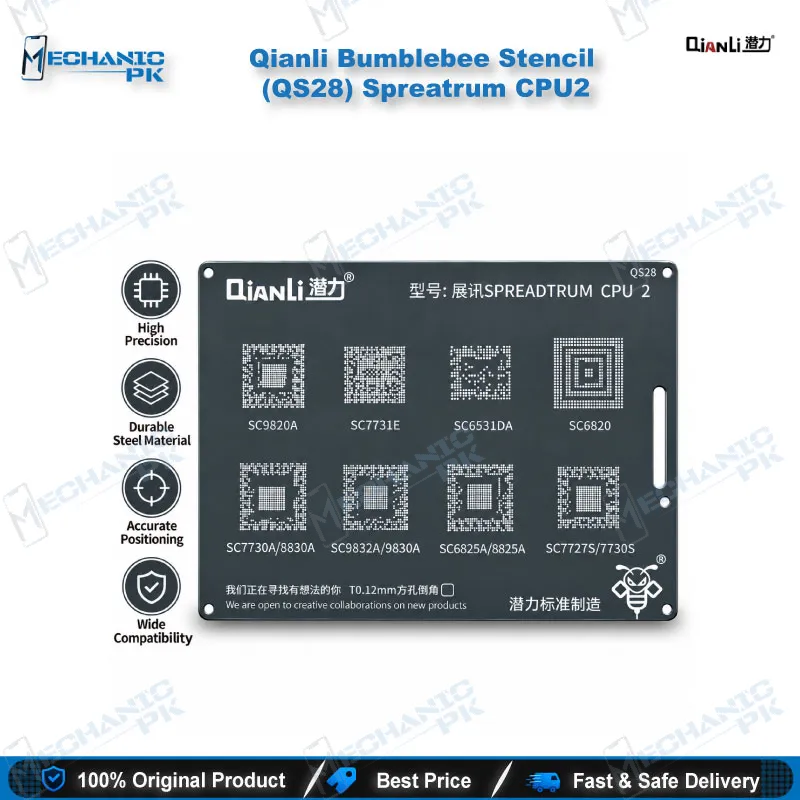
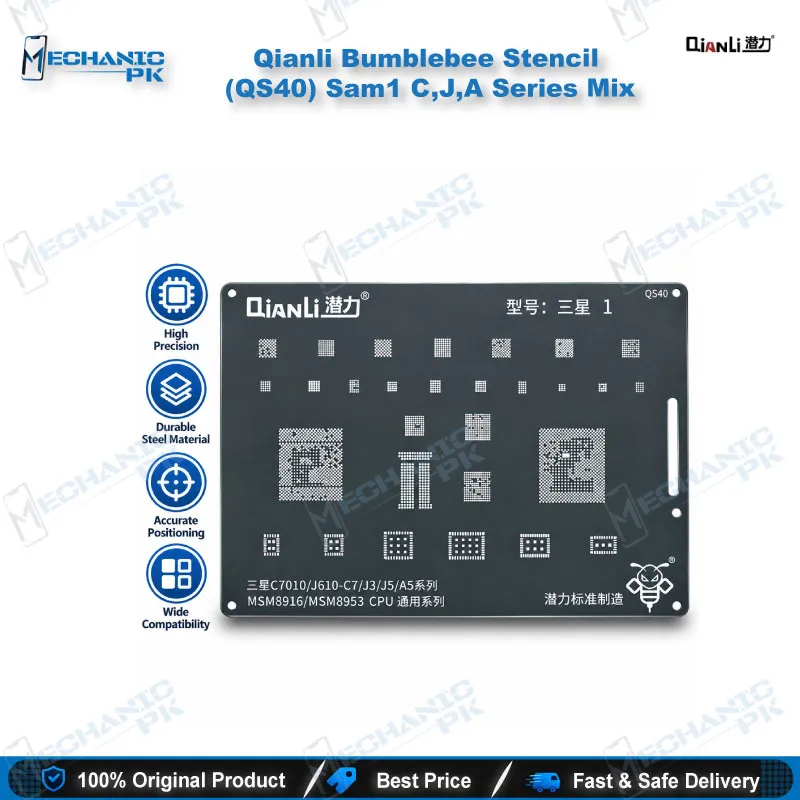
For a full replacement, reballing or direct paste-and-solder work needs a stable hot air station with accurate temperature control. A soldering microscope helps you confirm pad alignment before reflow, and a reballing stencil matched to the IC footprint improves consistency. Work on a clean, stable bench with good lighting. Take your time with alignment, because a chip this small leaves little room for error once the solder begins to flow. Inspect each pad under magnification before you apply heat.
Retesting Before Handover
Test the repaired board under real network conditions before you return it to the customer. Use a live SIM and check signal in more than one location if possible. A network fix that only works under strong bench signal is not a finished repair. Confirm the phone holds a connection, places calls, and keeps signal over time. Only then should you hand the device back, and note the repair details on the ticket for future reference.
| Weight | 0.1 kg |
|---|
Key Features
- Marked NZ5596GTR1 for direct identification on the board
- Functions as the power amplifier stage of the network signal path
- Verified repair application on the Infinix Smart 7 network module
- Suitable for both hot air reflow repair and full IC replacement
- Compact SMD package for motherboard-level soldering
- Works with standard reballing stencil workflows
- Useful stock item for shops handling frequent no-network complaints
Specifications
| Model | 5596G (marking NZ5596GTR1) |
|---|---|
| Category | Mobile Phone ICs & Chips |
| Technology | RF power amplifier, network signal module |
| Weight | 0.01 kg |
Common Repair Uses
- No network or no service caused by a fault on the signal module
- Weak or dropping signal after antenna and connector checks pass
- Network dead condition when PA stage voltage or continuity tests fail
- Dry-joint reflow on the network circuit
- Full PA IC change with reballing
Compatible Devices
- Infinix Smart 7 (verified repair application on the network module)
- Other MediaTek-based Android network modules using the same 5596G / NZ5596G PA circuit layout (circuit-family scope).
FAQ
What is the product name?
What is the brand of this product?
What is the model of this product?
What is this product used for?
Which devices are compatible with this product?
Who should use this product?
Does the 5596G fix a no-network issue when software resets fail?
Can the 5596G be reflowed instead of fully replaced?
Related products