















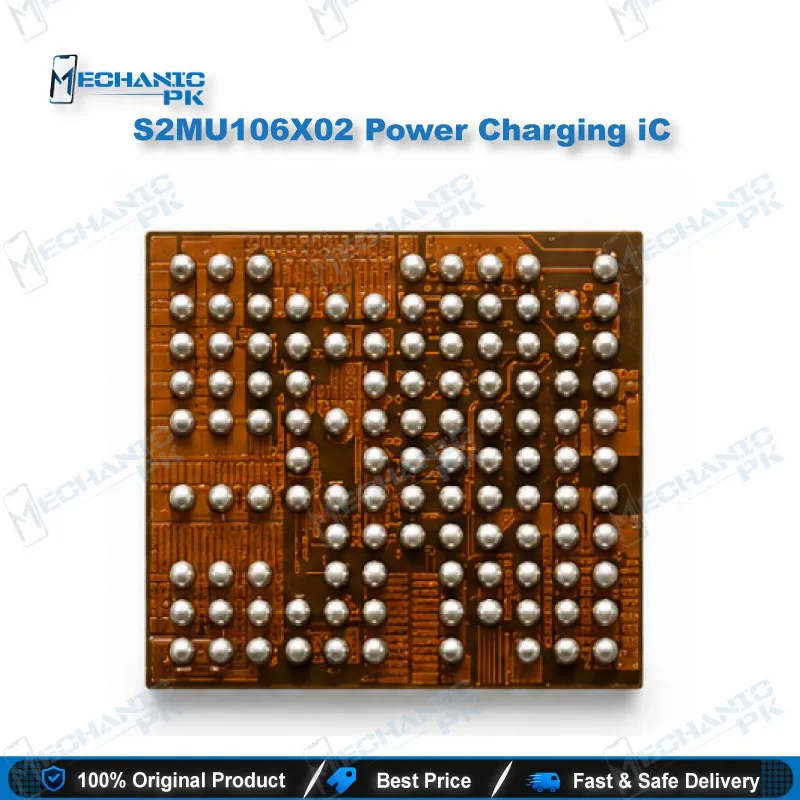
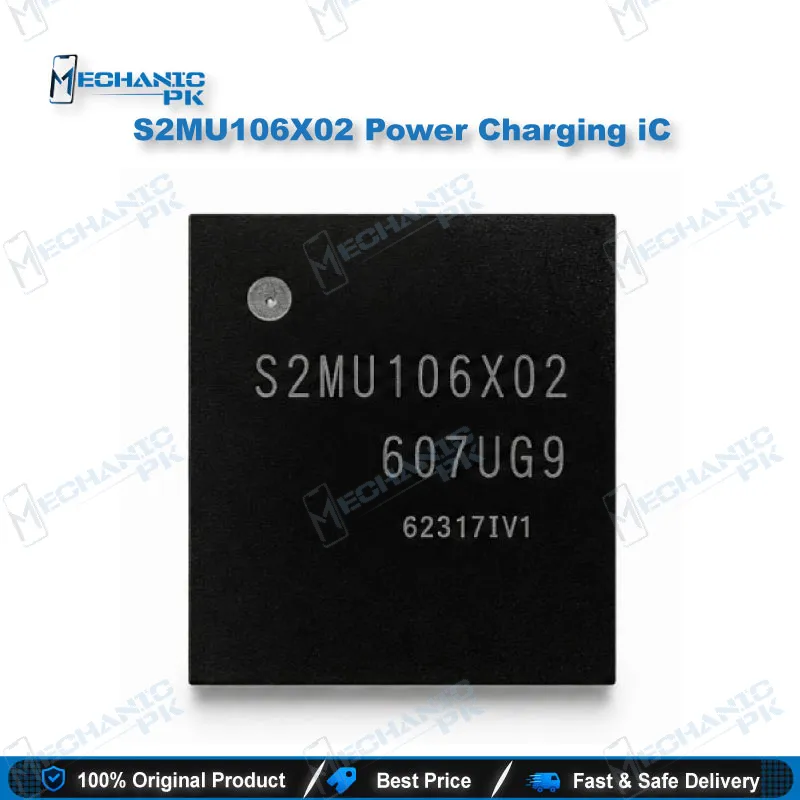
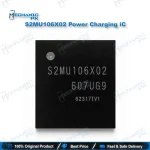
S2MU106X02 Power Charging iC for Samsung S20, A31, A315
₨ 1,700
Samsung S20 and A31 Charging IC
The S2MU106X02 Power Charging iC is a Samsung power management IC for the charging path on Galaxy S20, A31 and A315 boards. It controls power delivery between the charging port, the battery and the main power section. Suspect it when a board shows no charge response, slow charging or a battery percentage that climbs and then falls. The part is a BGA package, so it suits technicians running board-level charging repairs with hot air rework and reballing. Check the IC marking against the removed chip before you fit a replacement.
The S2MU106X02 Power Charging iC is a Samsung power management IC in the charging path of Galaxy S20, A31 and A315 boards, linking the USB charging port, the battery and the main power section. When a board shows no charge response, slow charging, or a battery percentage that rises and then falls back, this IC becomes a primary suspect once the port and battery have tested clean. Its position in the power tree explains why the symptoms often mimic a port or cable fault, so a structured diagnosis saves time and prevents unnecessary part replacement. Start with continuity checks on the charging port connector and the battery connector, then measure the relevant rails with the board powered and the fault condition present. Shorts and corrosion near the charging section are common after liquid exposure, and residue can produce readings that look like an IC failure, so clean the area with a suitable flux remover before you condemn the chip. Confirm the fault against the power section layout before touching the board, since a misidentified component leads to rework on healthy parts. When the evidence points to the charging IC, removal calls for a hot air rework station running a controlled profile suited to BGA packages. Preheat the board evenly to limit warping, keep the nozzle at a steady distance, and protect nearby capacitors and the main PMIC from radiant heat. After removal, clean the pads with flux and a fine brush, then inspect them under a microscope for lifted pads, bridges or leftover solder. Support the board on a holder during reflow to avoid flex. A reballing stencil matched to this ball layout gives consistent ball height, and a controlled reflow cycle prevents the cold joints that cause intermittent charging faults. Compare the IC marking of the removed chip with the replacement before installation, because Samsung charging and PMIC parts can look alike across model years, and a mismatched variant may produce new faults on the board. Place the part with accurate alignment, reflow it, and let the board cool before any electrical test. Testing after installation should include charging under load with a known good adapter, a check that the battery voltage rises steadily during charge, and a recheck of the rails that failed earlier. Only a stable charge curve confirms that the power path is restored, so do not close the job on a simple power-on test. This IC belongs to the broader PCB repair process for Samsung mid-range boards, where the charging section, the battery fuel gauge path and the USB port interact closely. A shop that handles component-level power faults can take this work in-house instead of sending it out, which widens the range of Samsung jobs it accepts. Stock a small quantity of the part, but record the IC marking and device model for each job so returns can be traced to the correct board revision. A quality microscope, a hot air station and a matched reballing kit complete the setup for this repair. Keep flux, solder paste and preheat settings consistent between jobs, because small process variations explain most repeat failures on BGA charging ICs. Document each repair with photos of the removed chip and its marking, since that record becomes useful when a customer returns with a similar complaint months later.
| Weight | 0.1 kg |
|---|
Key Features
- Samsung power management IC for the charging path on Galaxy S20, A31 and A315 boards
- Controls power delivery between the charging port, battery and main power section
- Addresses no-charge, slow-charging and fluctuating battery percentage faults
- BGA package for hot air removal and reballing
- Suits board-level recovery work after liquid damage and corrosion
- Fits component-level Samsung power section repairs
- Requires IC marking verification against the removed chip before fitting
- Sold as a single IC for bench-level technician use
Specifications
| Brand | Samsung |
|---|---|
| Model | S2MU106X02 |
| Category | Mobile Phone ICs |
| Compatibility | Galaxy S20, A31, A315 |
| Weight | 0.01 kg |
Common Repair Uses
- Charging fault diagnosis and repair on Samsung boards
- Slow charging and battery-not-increasing faults
- Power detection fault resolution
- IC removal and reballing after liquid damage
- Board-level power management troubleshooting
Compatible Devices
- Samsung Galaxy S20
- Samsung Galaxy A31
- Samsung Galaxy A315
FAQ
What is the product name?
What is the brand of this product?
What is this product used for?
Which devices are compatible with this product?
Does this IC need reballing before installation?
Can a failed charging IC cause a no-charge fault when the port and battery test normal?
Related products