




















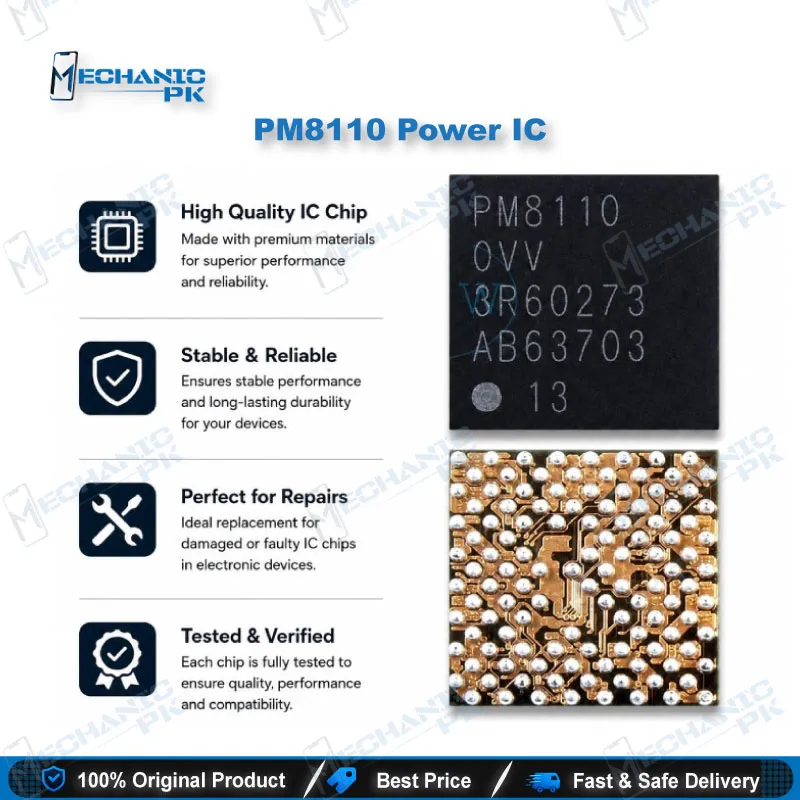
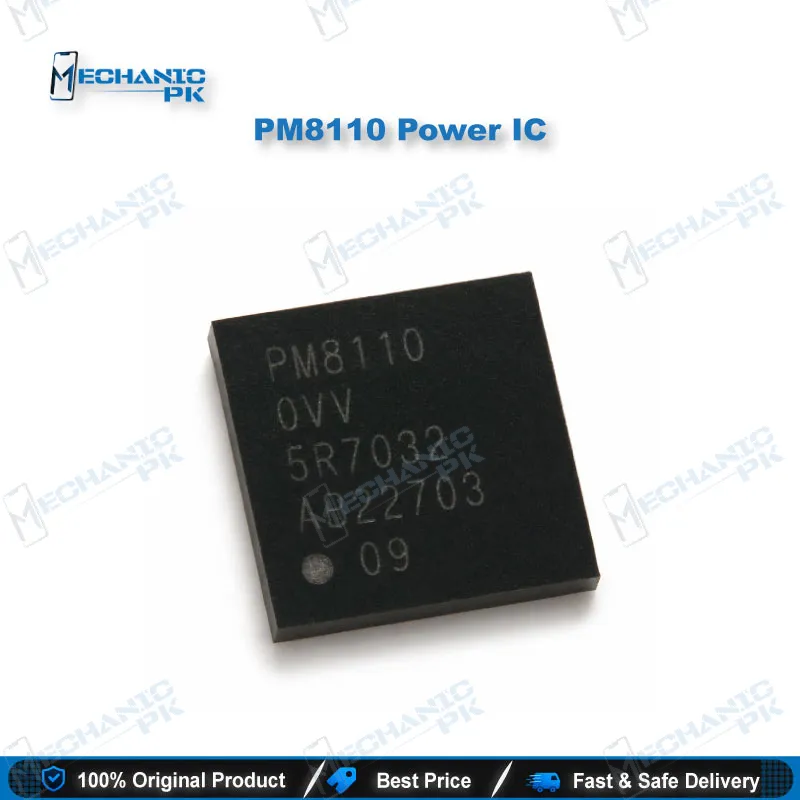
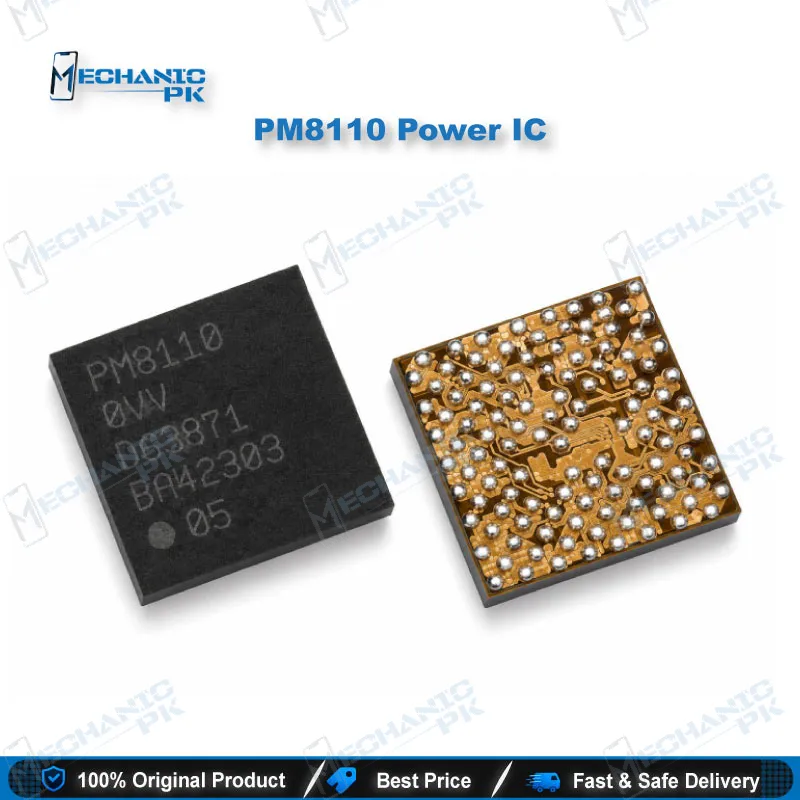
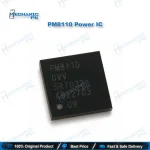
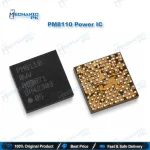
PM8110 Power IC – Qualcomm Snapdragon 200 PMIC
₨ 250
PM8110 Power IC for Snapdragon 200 Board Repair
The PM8110 power IC is the Qualcomm power management chip that pairs with Snapdragon 200 processors such as the MSM8610 and MSM8212. It generates the core, MX, USB, PLL, and Wi-Fi/Bluetooth supply rails that the processor needs to boot. When this PMIC fails, you see a dead phone with no current draw, a board that heats on battery connection, or a handset stuck on the logo. Mechanicpk supplies the PM8110 for board-level technicians who confirm the fault at component level and replace the IC with hot air rework, restoring power to boards like the Nokia Lumia 530 and Huawei Y625.
PM8110 Power IC: The Power Backbone of Snapdragon 200 Phones
The PM8110 power IC is the Qualcomm PMIC that sits beside Snapdragon 200 application processors, most notably the MSM8610 and MSM8212. Every supply the CPU, memory, USB block, and wireless core draw on starts at this single package. When the PM8110 fails, the symptoms look familiar on any repair bench: a dead phone that pulls no current, a handset that hangs on the logo, or a board that turns hot the moment you connect a battery. Mechanicpk supplies this IC for technicians who diagnose down to the component and replace only the part that has actually failed.
How the Qualcomm PM8110 PMIC Powers the Board
Qualcomm built the PM8110 as an SPMI-interfaced PMIC, so it communicates with the processor over the System Power Management Interface bus instead of a simple enable line. The MSM8610 kernel source maps the processor’s supplies straight to PM8110 regulators. The S1 switching regulator feeds the digital core, and LDO rails such as L3, L5, L10, and L20 supply the MX rail, the WCN radio block, the PLLs, and the USB PHY. That architecture has a direct practical meaning for you: a single shorted LDO line can knock out an entire subsystem, and a damaged PMIC can stop boot completely even when the CPU and eMMC remain healthy. Understanding the rail map lets you separate a true PMIC failure from a faulty load further down the line.
Diagnosing a PM8110 Fault Before Replacement
Start on a DC power supply rather than a battery. Press the power key and watch the current reading. A flat zero, or a reading that freezes at a fixed low value, points toward the power-on sequence, and the PMIC sits at the center of that sequence. Next, check the battery line for a short to ground. If the short exists, apply low voltage and locate the hot spot with rosin smoke or a thermal camera, because a shorted capacitor on a PMIC output can mimic a dead PM8110. Measure each regulator output against the board schematic with a multimeter. Missing outputs with no external short confirm the IC as the fault and justify the replacement.
Replacement Workflow on the Repair Bench
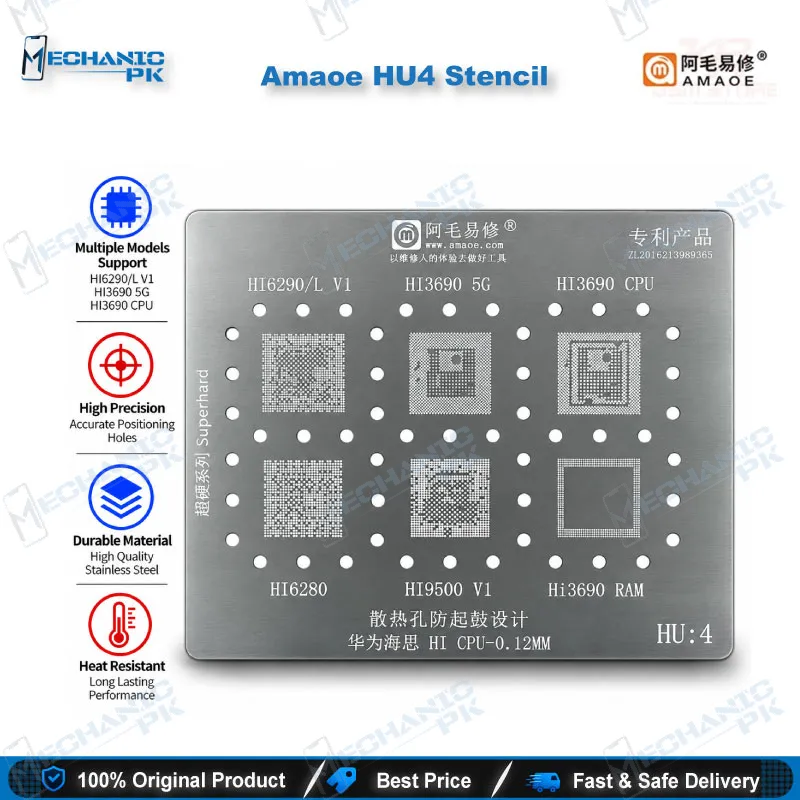
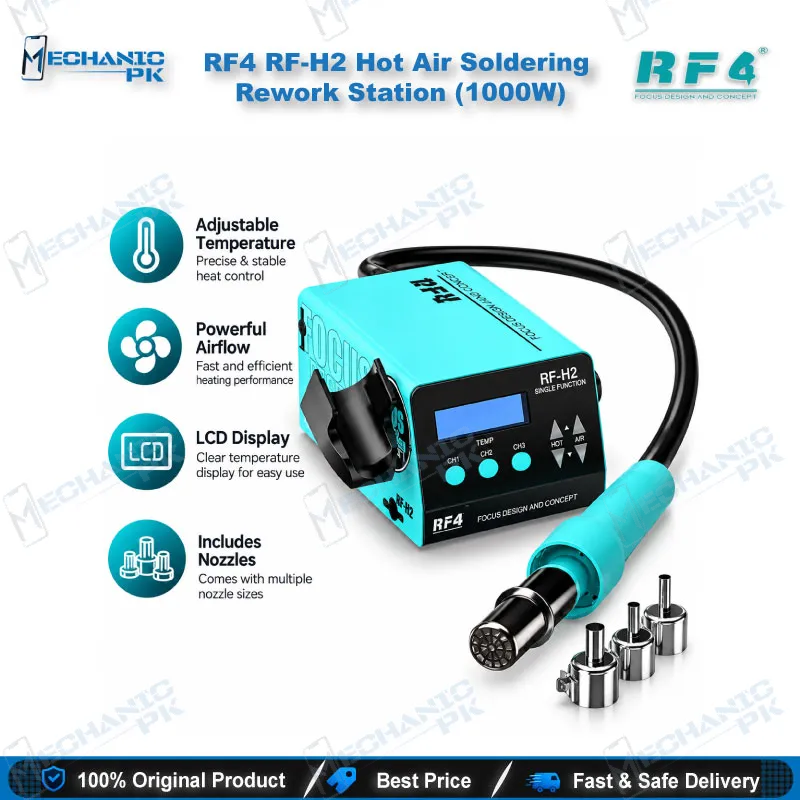
Lock the board in a PCB holder and shield nearby plastic connectors and small passives with heat-resistant tape. Apply quality flux, then lift the old PM8110 with a hot air station using steady, even airflow. Clean the pads with a soldering station and desoldering wick until every pad sits flat and bright, and inspect the area under a microscope for torn pads or bridged balls. If the replacement chip needs fresh solder balls, reball it with a matching stencil from a BGA reballing kit. Align the IC by its pin-1 marker, reflow it, let it cool naturally, and measure the main rails before you attach a battery.
Where the PM8110 Fits in Your Repair Workflow
PMIC replacement belongs to the hardware stage of a dead-phone repair. Once the board draws normal current and the rails come up, any remaining hang-on-logo or boot-loop problem usually moves to the software and storage side. At that stage, a test box handles flashing, while ISP pinout tools and an eMMC programmer let you read or repair the storage chip directly on Snapdragon 200 boards, which use eMMC rather than UFS. If your bench also handles newer Qualcomm platforms, UFS adapters form the natural upgrade path for storage-level work on those devices.
Why Source the PM8110 Power IC from Mechanicpk
A PMIC replacement only succeeds when the part number matches the board. Check the marking on the original chip, confirm the processor model beside it, and compare both with the service schematic before you order. The PM8110 belongs to a specific chipset pairing, so it does not substitute for other Qualcomm PMICs such as the PM8226 or PM8916. Mechanicpk stocks this IC alongside the rework tools the job requires, from hot air stations and soldering stations to microscopes, multimeters, and reballing kits, so you can build a complete board-repair setup through one distributor serving technicians across Pakistan.
| Weight | 0.1 kg |
|---|
Key Features
- Genuine Qualcomm PM8110 part number for Snapdragon 200 platforms
- SPMI bus interface for power sequencing with the processor
- Integrated switching regulator for the processor's digital core supply
- Multiple LDO outputs for MX, USB, PLL, and wireless subsystems
- Matches the PMIC position on the Nokia Lumia 530 service schematic
- Restores power-on capability on boards with a confirmed PMIC failure
- Suited to standard hot air BGA removal and installation
- Supports rail-by-rail verification with a multimeter after installation
Specifications
| Brand | Qualcomm |
|---|---|
| Model | PM8110 |
| Category | Power Management IC (PMIC) |
| Compatibility | Qualcomm Snapdragon 200 platform (MSM8610, MSM8212) |
| Technology | SPMI-interfaced PMIC with SMPS and multiple LDO regulator rails |
Common Repair Uses
- Dead phone with zero current draw on power key press
- Battery-line short traced to the PMIC package
- Board heating immediately after battery connection
- Hang on logo caused by a missing core or MX supply rail
- USB not detected due to missing USB PHY rails
- Wi-Fi and Bluetooth failure linked to missing WCN supply rails
- PMIC replacement on liquid-damaged boards after corrosion cleaning
- Board recovery after a failed rework or heat-damaged PMIC area
Compatible Devices
- Snapdragon 200 boards using the PM8110 (verified board-level and chipset-family scope)
- Nokia Lumia 530 (RM-1017 / RM-1018)
- Nokia Lumia 530 Dual SIM (RM-1019 / RM-1020)
- Huawei Ascend Y625 (Y625-U32)
- Huawei Ascend Y530 (Y530-U00)
- Alcatel 7040N
- Huawei MediaPad 7 Youth 2 (S7-721G)
- HTC Desire 516 (D516)
- Other Qualcomm MSM8610 / MSM8212 boards that use the PM8110 per schematic
FAQ
What is the product name?
What is the brand of this product?
What is the model of this product?
What is this product used for?
Which devices are compatible with this product?
Who should use this product?
Which processor does the PM8110 power IC work with?
How do I confirm the PM8110 is faulty before replacing it?
Related products