














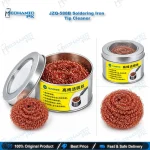
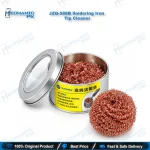
JZQ-588B Soldering Iron Tip Cleaner
₨ 400
JZQ-588B Dry Tip Cleaner
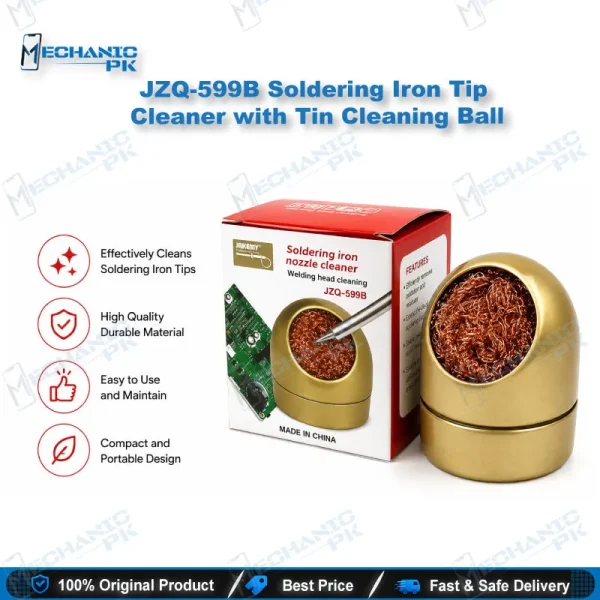
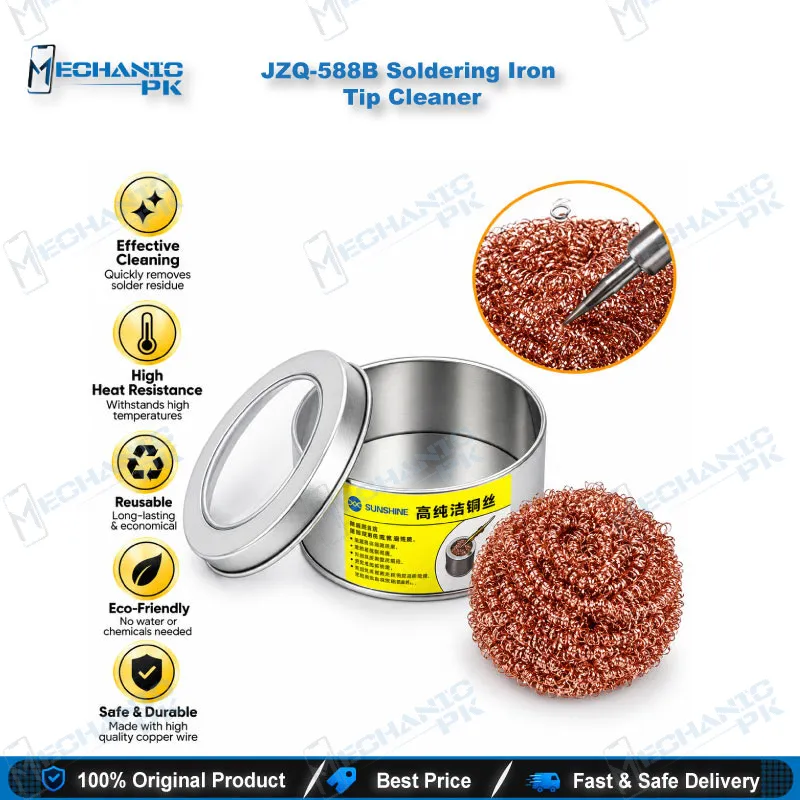
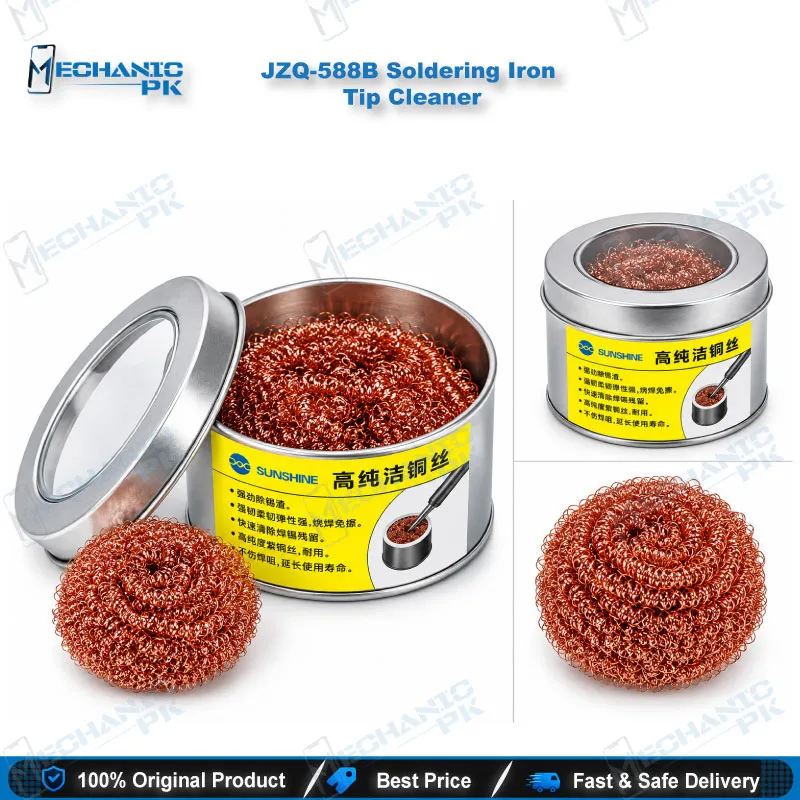
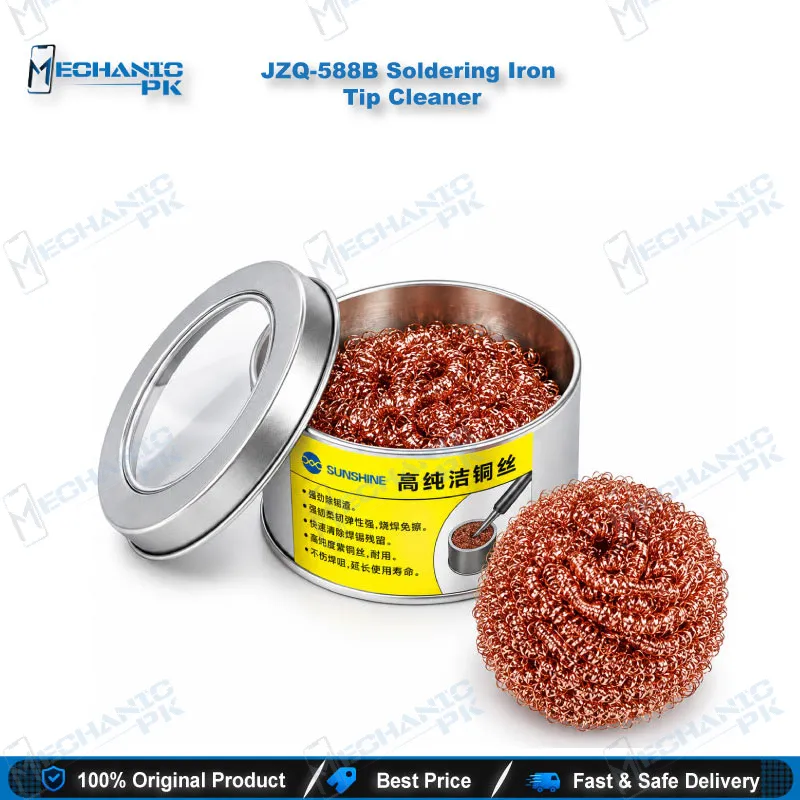
The JZQ-588B soldering iron tip cleaner gives your bench a water-free way to clear oxide, burnt flux and leftover solder from a hot tip. You push the heated tip into the wire coil, twist, and pull it out clean. The tip keeps its temperature, which matters when you work through fine pads on a dead phone board. Sponge-based cleaning cools the tip with every wipe. This cleaner removes that drop and reduces the time you spend re-tinning. Pair it with your soldering station for IC change karna, jumper lagana, charging port repair and general PCB rework. It suits technicians who keep one tip in constant use all day.
In stock
Soldering Iron Tip Cleaner Built for Daily Board-Level Work
A contaminated tip transfers heat poorly, so the solder on your joint stays dull and refuses to flow. The JZQ-588B soldering iron tip cleaner targets that problem at the source. It replaces the wet sponge with a dry wire-coil cleaning method, so you clean the tip without adding water to it. If you run a soldering station for hardware fault repair, you will notice the difference within the first few joints.
How Dry Wire Cleaning Changes Your Bench Workflow
A wet sponge pulls heat out of the tip each time you wipe, and the station then needs a few seconds to recover. A dry coil avoids that thermal shock. You insert the heated tip, twist it, and withdraw it, and the coil strips oxide and old solder without cooling the tip below working range. This keeps your tip temperature steadier across repeated cleaning cycles, which helps when you tin pads on a charging section or rework small connectors.
Treat the coil as a scrubber, not a brush. Do not flick the iron through it like a sponge, because molten solder trapped in the coil can spill out. Push in, twist, pull out. That one habit keeps your bench clean and your tip intact.
Where It Fits in Mobile Repair Operations
Every soldering job on a phone board starts and ends with a clean tip. Before you remove or replace an IC, you tin the tip to move heat quickly. After the joint, you clean the tip to prevent oxide from forming while the iron idles. This cleaner supports both steps. You use it during IC change karna, when you lift and refit components on a boot loop board. You use it when you add a jumper to repair a broken track. You use it during charging port work, battery connector replacement and display flex connector repair.
Pair the cleaner with the rest of your soldering line. A temperature-controlled soldering station keeps the tip at the right heat, while the cleaner keeps the tip surface ready to transfer it. When you prepare a board for reballing, clean tips give you clean pads and predictable results. Technicians who work under a microscope benefit most, because small tips collect residue quickly and tolerate poor cleaning the least.
Practical Buying Notes for Repair Shops
This is a consumable bench accessory, so buy it for the workstation where you solder most. Shops that run several benches can place one unit at each station and stop sharing a single cleaner across the floor. Match the coil opening to your typical tip size before use, and check that your tip fits without forcing it. The JZQ-588B suits general mobile repair, PCB repair and electronics rework, and it does not tie to any phone brand or model.
Mechanicpk stocks soldering accessories alongside Soldering Stations, Hot Air Stations, Microscopes, Reballing Kits, PCB Holders and Multimeters, so you can complete a bench setup from one catalogue. When your tip starts to turn black and stops accepting solder, clean it with this tool first. A properly cleaned tip often recovers without replacement, which saves you the cost of a new tip.
| Weight | 0.5 kg |
|---|
Key Features
- Dry cleaning with no water needed
- Removes oxide and leftover solder from hot tips
- Avoids the temperature drop of a wet sponge
- Wire-coil cleaning surface
- Holder base for bench use
- Suits mobile repair and PCB rework tips
- Not tied to any phone brand or model
- Helps keep tips tinning-ready between joints
Specifications
| Model | JZQ-588B |
|---|---|
| Category | Soldering Iron Tip Cleaner / Soldering Accessories |
| Compatibility | Soldering iron tips (general-purpose, not phone-model specific) |
| Technology | Dry tip cleaning, no water required |
Common Repair Uses
- Tip cleaning and maintenance across mobile repair soldering workflows
- Cleaning oxide off tips between joints
- Preparing the tip before IC change karna
- Jumper lagana on broken PCB tracks
- Charging port and connector soldering
- Battery connector replacement
- Pad cleaning and tinning before reballing
- Removing leftover solder from the tip after rework
- Restoring a darkened tip before replacing it
Compatible Devices
- Universal soldering tool accessory — not device-specific
- Handheld soldering irons
- Soldering station handpieces
- Mobile repair bench soldering irons
- PCB repair and rework soldering tips
- General electronics soldering tips
- Fine micro-soldering tips that fit the coil opening
FAQ
What is the product name?
What is the model of this product?
What is this product used for?
Which devices are compatible with this product?
Who should use this product?
Does a dry tip cleaner cool the soldering tip like a wet sponge?
How do you clean a soldering iron tip with this cleaner?
Related products