





























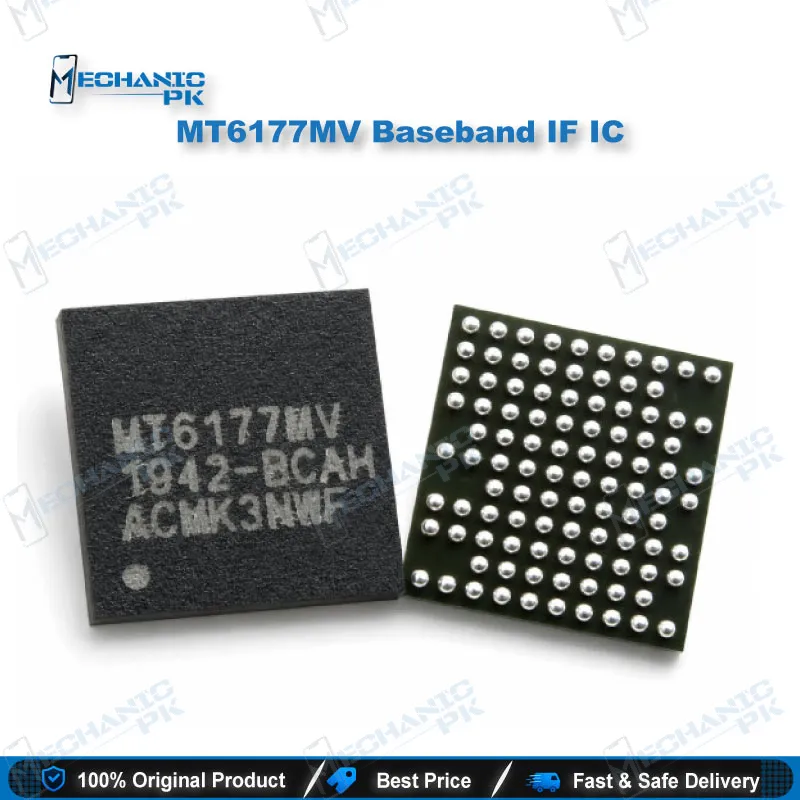

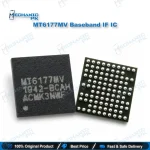
MT6177MV Baseband IF IC – MediaTek RF Transceiver
₨ 250
MediaTek MT6177MV RF Transceiver for Network Section Repair
The MT6177MV Baseband IF IC is MediaTek’s multimode RF transceiver. It handles the radio conversion between the modem inside the SoC and the antenna front end. Teardown analysis places it on the Xiaomi Redmi 9A next to the MT6762V processor, MT6357CRV PMIC, and MT6631N connectivity chip. The chip covers GSM/EDGE, WCDMA, TD-SCDMA, C2K, and LTE. That makes it the core component behind no-service, emergency-calls-only, and dropped-network faults on MediaTek boards that use it. Mechanicpk supplies this IC for board-level technicians, service centers, and repair businesses across Pakistan that need a direct replacement during network section rework.
MT6177MV RF Transceiver IC for MediaTek Network Repair
The MT6177MV Baseband IF IC is a MediaTek RF transceiver IC that runs every radio conversion stage between the baseband modem and the antenna front end. On the Xiaomi Redmi 9A, MediaTek pairs it with the MT6762V application and baseband processor, the MT6357CRV power management IC, and the MT6631N Wi-Fi/Bluetooth/GPS chip. When this transceiver fails, the phone loses its cellular link entirely. For that reason, the MT6177MV RF transceiver IC sits near the top of the checklist when a MediaTek board comes in with a no-service complaint.
What the MT6177MV Does Inside the Network Section
Pakistani technicians call this part the IF IC, but its job goes beyond a single intermediate-frequency stage. The MT6177M family combines a direct-conversion transmitter with a hybrid receiver. The receiver uses direct conversion for 4G, 3G and C2K, and a low-IF path for GSM/EDGE and DC-HSDPA. On transmit, the chip up-converts modulated data from the modem and feeds the power amplifier. On receive, it takes the signal from the front-end module, down-converts it, and returns it to the modem inside the SoC. A failure in either path produces familiar symptoms: no service, calls that drop, or emergency calls only even with a working SIM.
Verified Technology and Band Capabilities
The MT6177M family datasheet summary lists full multimode coverage: C2K, GSM/GPRS/EDGE, WCDMA, TD-SCDMA and LTE. The chip has two SAW-less receive inputs. These cover GSM bands B2, B3, B5 and B8, plus TD-SCDMA and TDD LTE bands B34 and B39. The transceiver also:
- supports external LNAs on the primary and diversity receive chains,
- runs from dual DC-DC converters to keep supply current low, and
- supports LTE Power Class 2 high-power UE (HPUE) on Band 41.
Built-in calibration covers image rejection, LO leakage, IIP2, DC offset and RC corner tuning. This explains why the board’s calibration data matters as much as the silicon during a replacement job.
Diagnosing an MT6177MV Fault Before Replacement
A network issue on a MediaTek board does not always mean a bad transceiver, so confirm the fault before you lift the chip.
- Check software first. Confirm the phone reads a valid IMEI and shows a baseband version in settings. A blank baseband field points toward modem firmware or load problems, so rule those out before you start any hardware work.
- Check the power rails. Measure the transceiver’s supply rails from the PMIC with a multimeter.
- Check the clock. Confirm the reference clock path reaches the chip.
- Inspect the area. Look closely under a microscope for corrosion, cracked solder balls, or lifted pads. Water-damaged and dropped phones deserve extra attention here.
If the rails and clock check out and the phone still shows no network, the MT6177MV becomes the prime suspect.
Replacement Workflow on the Repair Bench
- Back up NVRAM. Use your test box to back up NVRAM before any board work. On MediaTek devices that partition holds the network calibration data.
- Prepare the board. Secure it in a PCB holder, shield nearby plastic connectors, and apply quality flux.
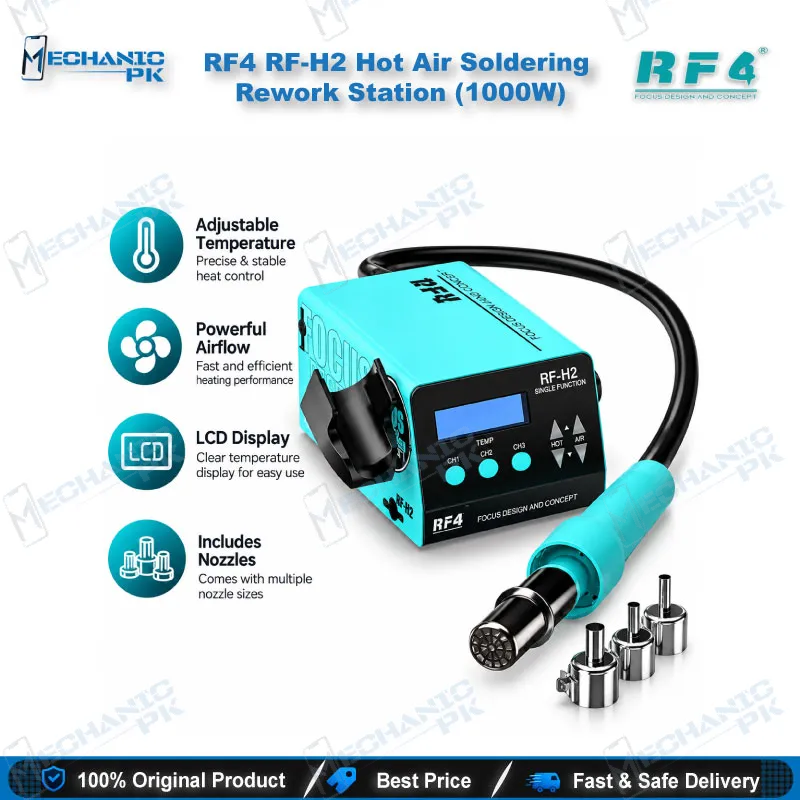
- Remove the old chip. Use a hot air station with controlled temperature and airflow so the surrounding passives stay in place.
- Clean the pads. Use desoldering wick and a soldering station.
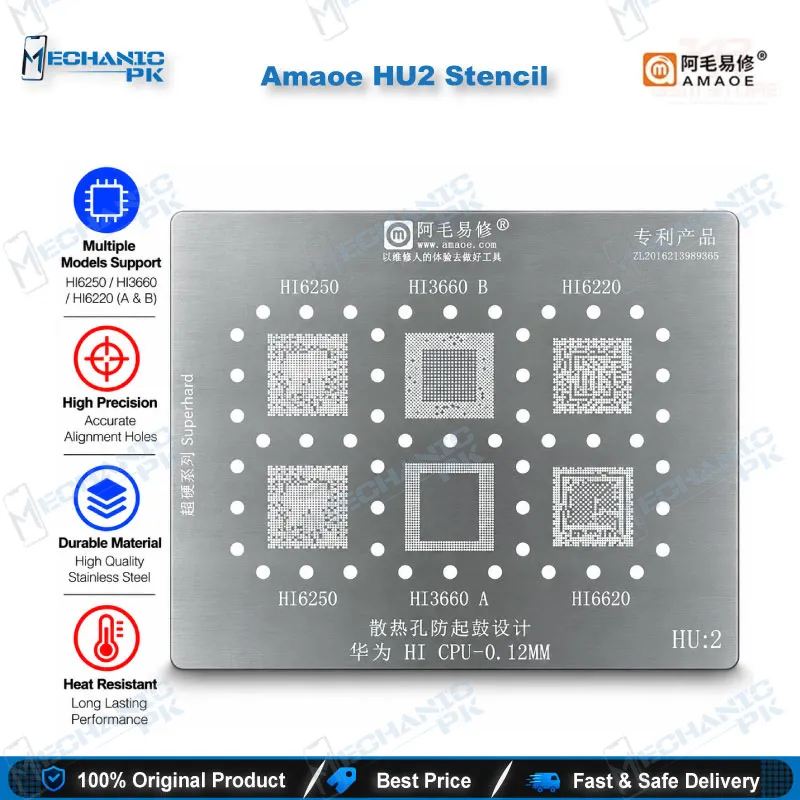
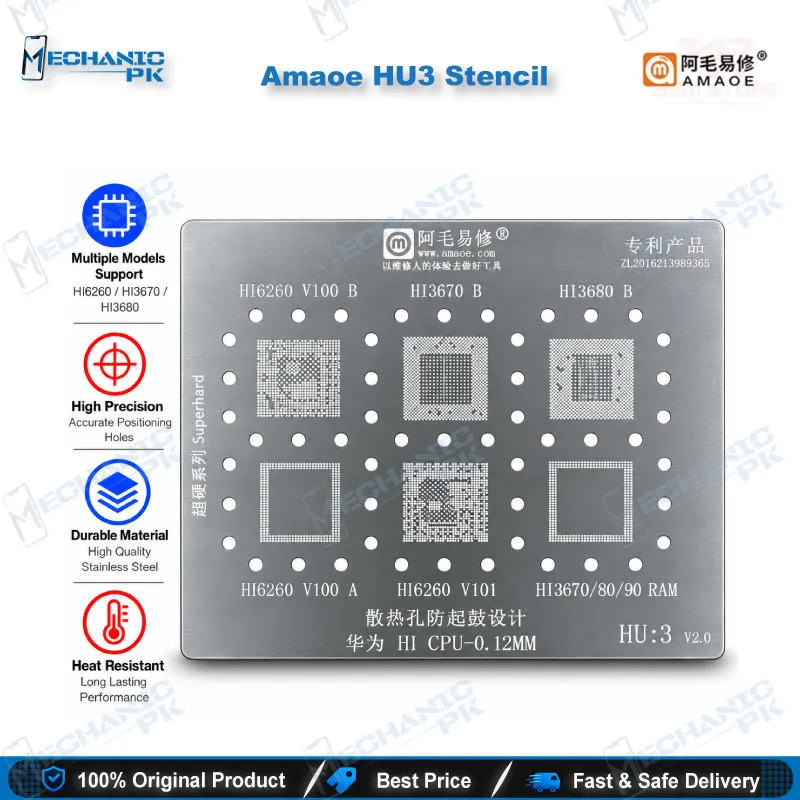
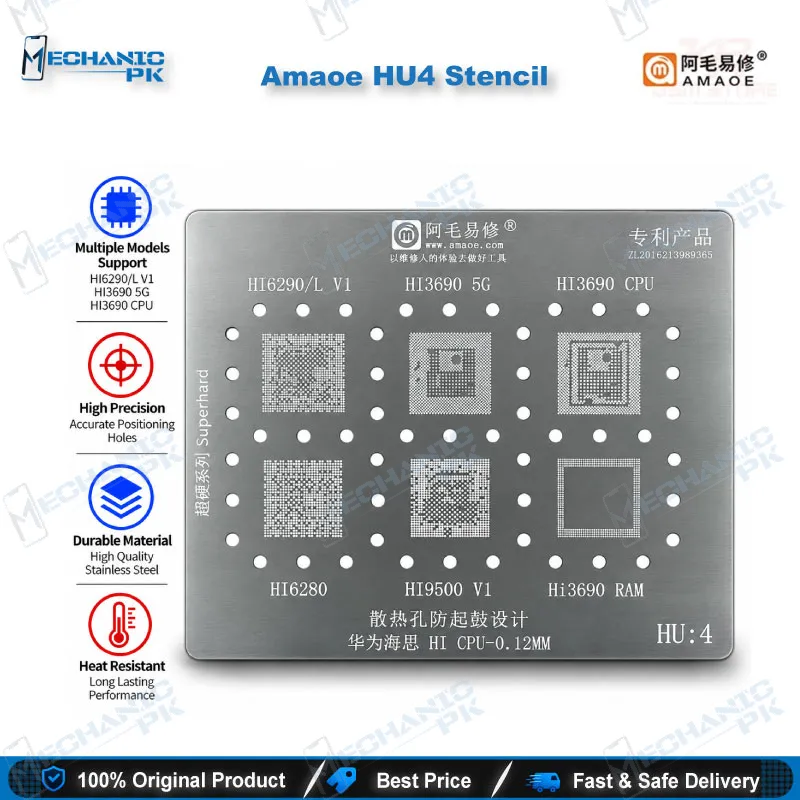
- Fit the new IC. Reball the new MT6177MV with the correct stencil from your BGA reballing kit, align it under the microscope, and reflow.
- Test before handover. Confirm network registration on both SIM slots, then test voice calls and mobile data. If signal levels look weak despite registration, restore the NVRAM backup and recheck.
Where This IC Fits in Your Repair Workflow
The MT6177MV belongs to the RF section of the PCB repair process. That places it downstream of the modem and upstream of the power amplifier and front-end modules. Treat it as part of a chain. A transceiver swap fixes the fault only when the PA, antenna switch, and supply rails also test good, so you need all of them to verify a working network path. Technicians who work through the chain in that order avoid wasted ICs and repeat jobs.
Why Source the MT6177MV from Mechanicpk
Mechanicpk supplies mobile phone ICs to professional workshops and service centers across Pakistan, and every listing states verified specifications only. You can build a complete network-section repair setup by pairing this IC with our:
- ISP pinout tools
- eMMC programmers
- test boxes
- hot air stations
- BGA reballing kits
| Weight | 0.1 kg |
|---|
Key Features
- Genuine MediaTek MT6177MV RF transceiver part number for direct replacement
- Multimode coverage across GSM/EDGE, WCDMA, TD-SCDMA, C2K and LTE
- Direct-conversion transmitter with a hybrid direct-conversion/low-IF receiver
- Two SAW-less receive inputs for GSM B2/B3/B5/B8 and TDD LTE B34/B39
- External LNA support on primary and diversity receive paths
- Dual DC-DC converter operation for low supply current
- LTE Power Class 2 HPUE support on Band 41
- Built-in calibration for image rejection, LO leakage, IIP2, DC offset and RC corner
Specifications
| Brand | MediaTek |
|---|---|
| Model | MT6177MV |
| Category | Mobile Phone RF Transceiver IC (Baseband IF IC) |
| Compatibility | MediaTek MT6762V platform (teardown-verified on Xiaomi Redmi 9A) |
| Supported Devices | Xiaomi Redmi 9A, TCL L9 |
| Technology | Multimode RF transceiver — GSM/GPRS/EDGE, WCDMA, TD-SCDMA, C2K, LTE |
Common Repair Uses
- No service / no network fault on MediaTek boards
- Emergency calls only with a working SIM
- Weak or dropping signal after water damage
- Network loss after a drop that cracked transceiver solder joints
- RF section rework after liquid corrosion
- Reballing a lifted or poorly seated MT6177MV
- Transceiver replacement during board-level network section repair
- Restoring network registration after a confirmed transceiver failure
Compatible Devices
- Teardown-verified models plus MediaTek platform scope
- Xiaomi Redmi 9A (MT6762V platform, teardown-verified)
- TCL L9 (teardown-verified)
- MediaTek MT6762V-based 4G boards that use the MT6177MV transceiver
- Boards that pair the MT6177MV with the MT6357CRV PMIC
- MediaTek multimode boards covering 2G/3G/4G LTE that carry the MT6177MV marking in the RF section
- Any board where the original chip reads MT6177MV (match the marking before installation)
FAQ
What is the product name?
What is the brand of this product?
What is the model of this product?
What is this product used for?
Which devices are compatible with this product?
Who should use this product?
Which network standards does the MT6177MV RF transceiver support?
Should I back up NVRAM before replacing the MT6177MV IC?
Related products