









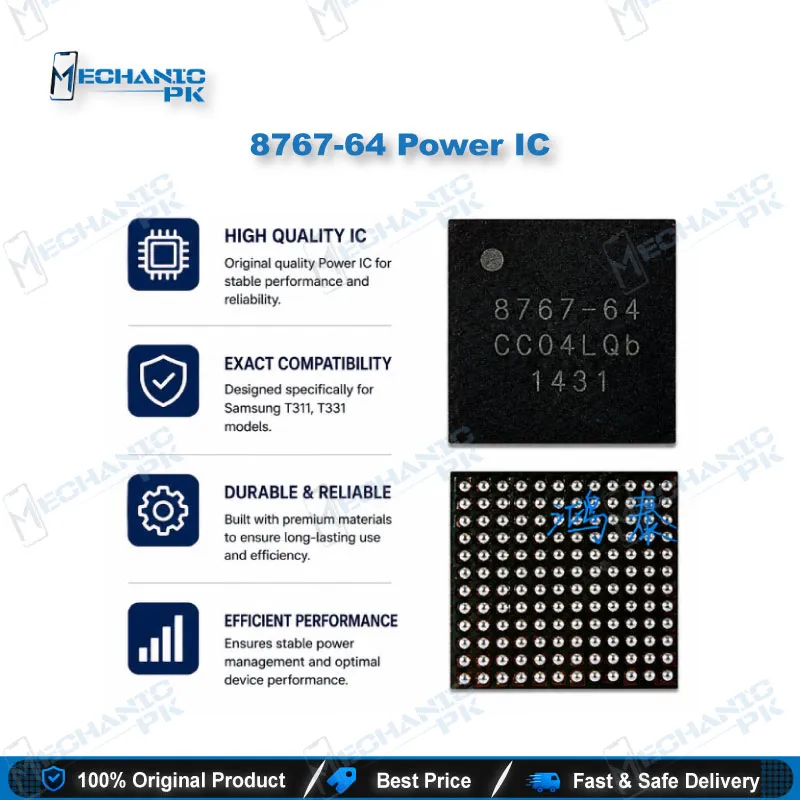
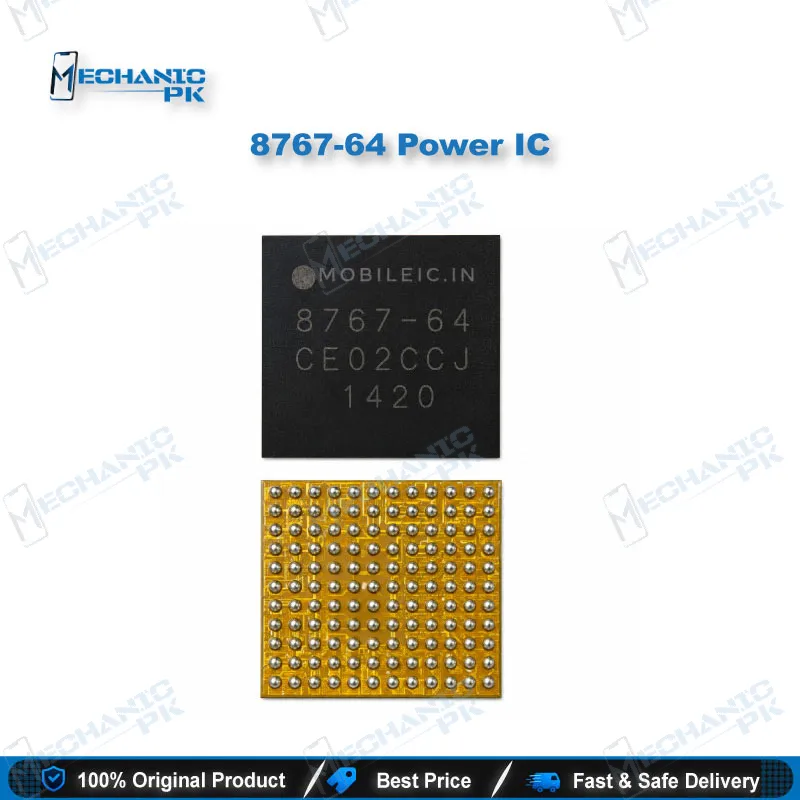
8767-64 Power IC – Samsung S5M8767 PMIC BGA Chip
₨ 599
8767-64 Power IC for Samsung Board-Level Repair
The 8767-64 Power IC belongs to the Samsung S5M8767 PMIC family. This chip splits battery power into the core, memory, and peripheral rails a Samsung logic board needs to boot. Samsung builds nine buck converters, a bank of LDO regulators, a real-time clock, and clock outputs into one BGA package. Technicians replace this 8767-64 power IC when a Samsung board shows a dead phone condition, a shorted main rail, abnormal current draw on a DC power supply, or a hang on logo caused by unstable supply voltages. Match the full top marking against the original chip before you solder the replacement in.
8767-64 Power IC: Samsung S5M8767 PMIC Built for Rail-Level Repair
Every Samsung board that runs on a Samsung S5M8767 PMIC depends on one chip to decide whether the phone powers on. The 8767-64 power IC fills that role. It takes raw battery voltage, converts it into the separate, tightly regulated rails the application processor, memory, and peripheral circuits require, and hands control of those rails to the processor. When this chip fails, the symptoms rarely stay subtle. The device goes completely dead, pulls short-circuit current the moment you connect power, or reaches the boot logo and stops. Mechanicpk supplies this IC for technicians who diagnose at rail level and need the correct replacement on the bench.
What the S5M8767 Architecture Delivers
Samsung designed the S5M8767 as a multi-function power management IC, not a single regulator. Its official kernel documentation lists nine buck converters, a large group of LDO regulators, a real-time clock block, and clock outputs inside one package. The buck converters carry the heavy-current loads, mainly the processor core and memory rails. The LDOs feed lower-current circuits that need a clean, low-noise supply. The PMIC also supports GPIO-based dynamic voltage selection on its buck rails, which lets the processor shift core voltage as workload changes. This architecture explains why one failed PMIC can kill every function on the board at once.
Where the 8767-64 Power IC Sits in the Repair Workflow
In a standard board-level sequence, PMIC diagnosis follows the basic checks: battery connector voltage, power key line, and charging path. Once those pass and the board still shows a dead phone condition, the power section becomes the prime suspect. The 8767-64 power IC generates the first rails the processor needs at startup, so one missing or collapsed output stops the boot sequence before the display lights up. Replacement belongs between diagnosis and final testing, after you confirm the fault lives in the PMIC itself and not in a shorted capacitor or a downstream load pulling a rail to ground.
Diagnosing a Faulty PMIC Before You Replace It
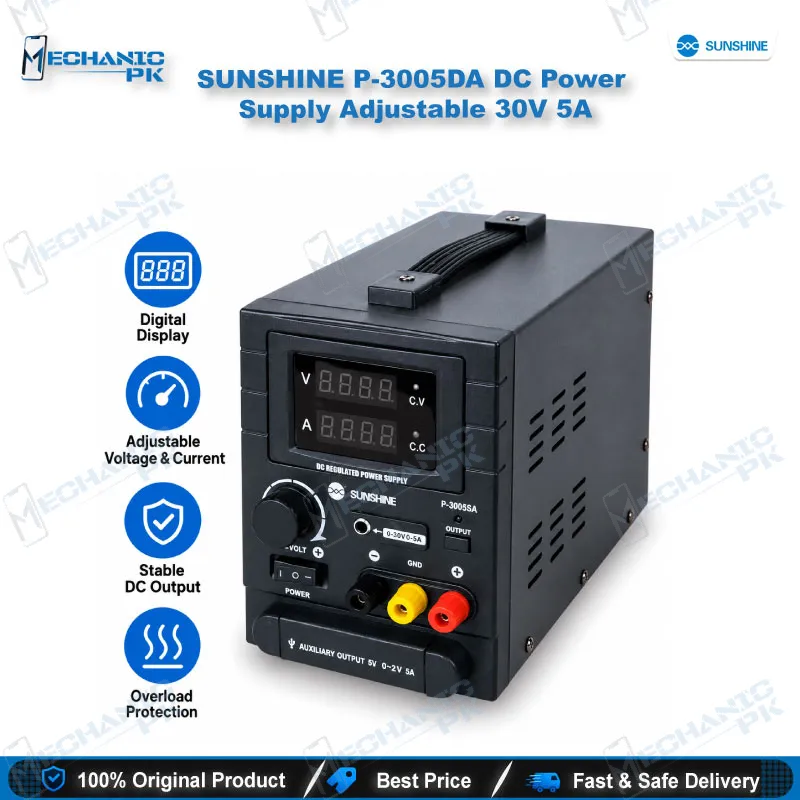
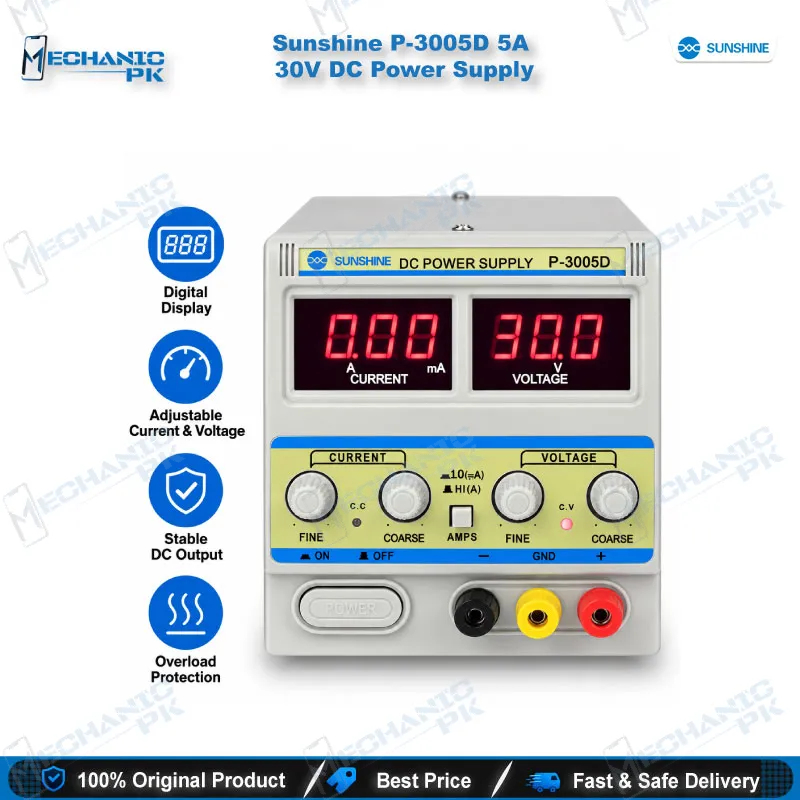
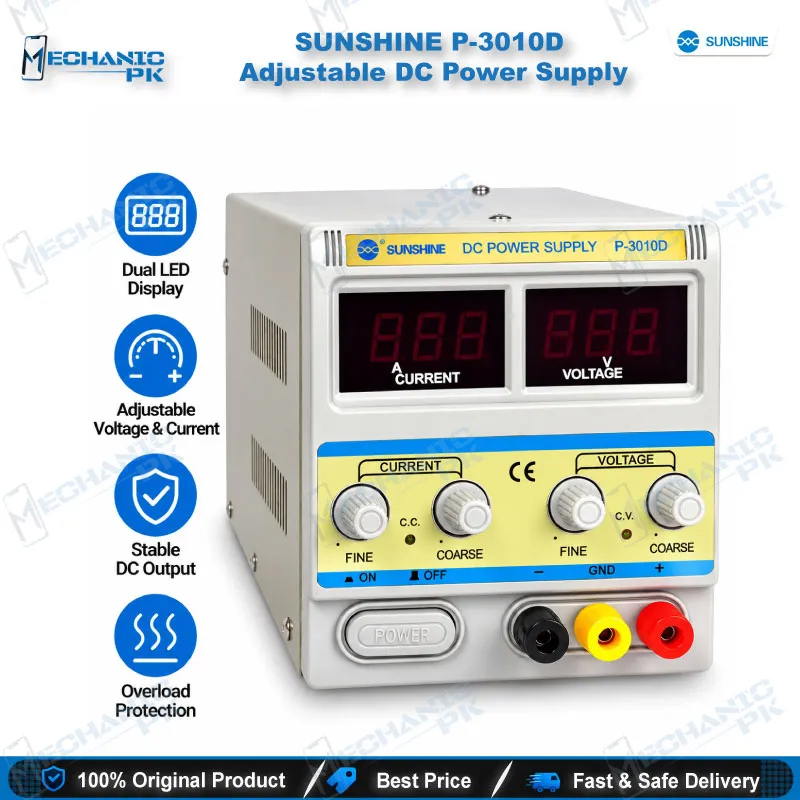
Connect the board to a DC power supply and watch the current reading when you press the power key. A reading that jumps high instantly points to a short. A reading that stays at zero points to a PMIC that never starts. Use one of your multimeters in diode mode to measure each buck and LDO output against ground, and compare the readings with a known-good board. If the PMIC heats up while nothing around it does, the IC carries the fault. Rule out shorted filter capacitors first, because one bad capacitor can mimic a dead PMIC and save you an unnecessary IC change.
Replacement Procedure and Bench Equipment
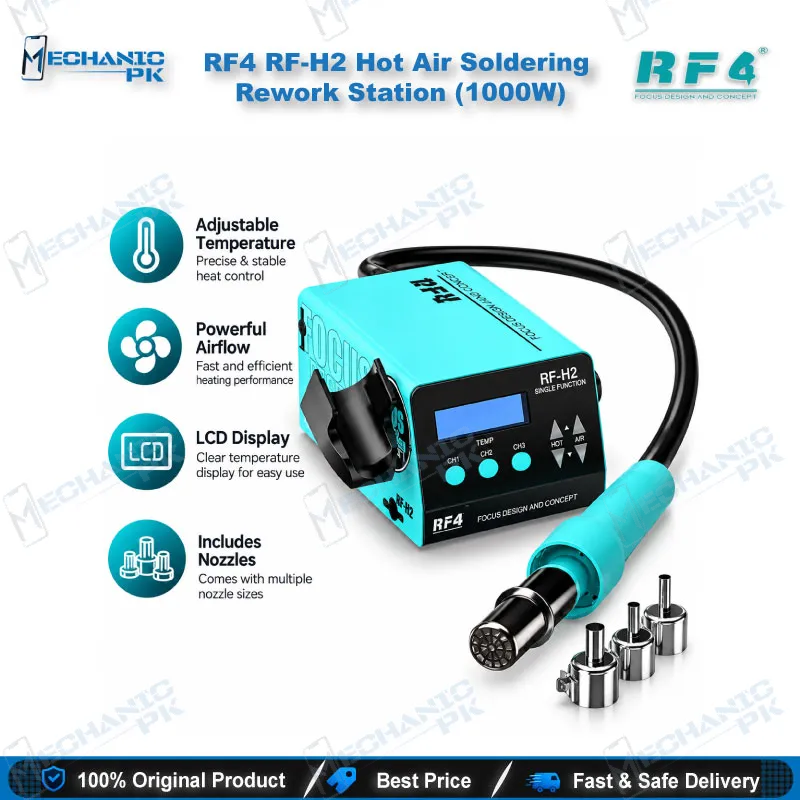
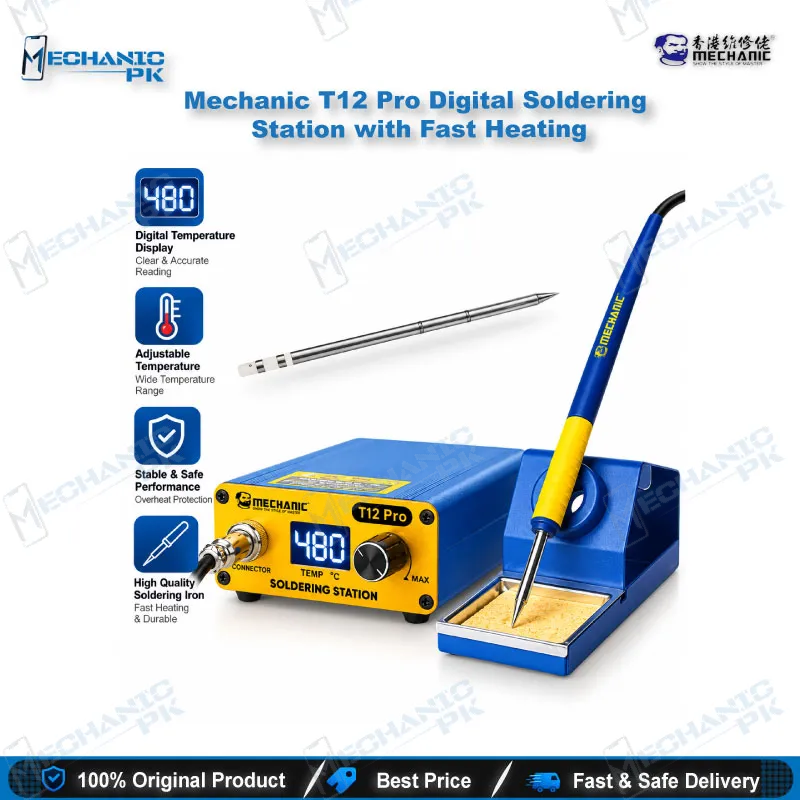
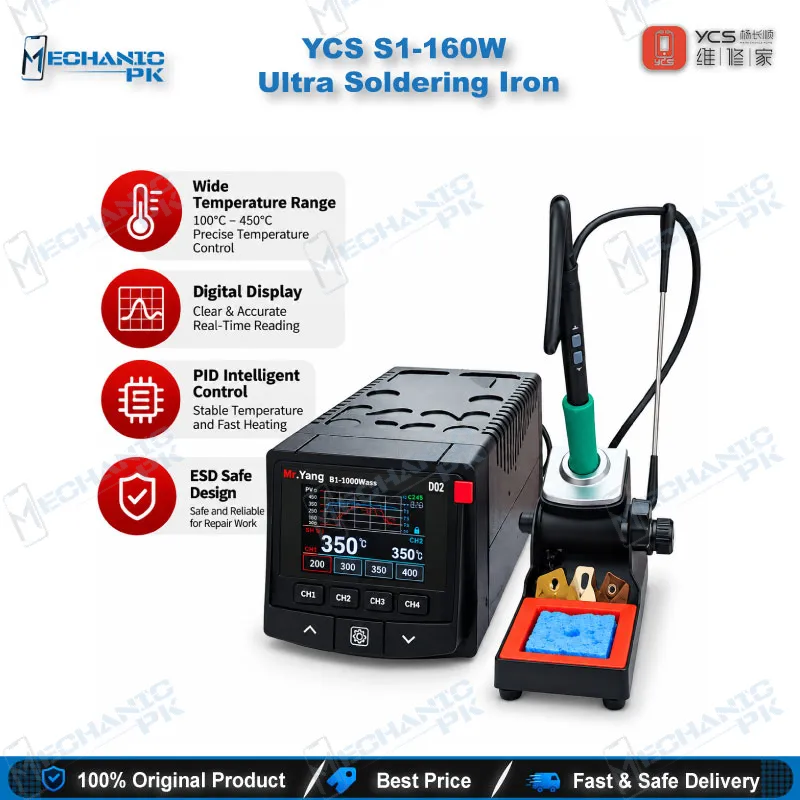
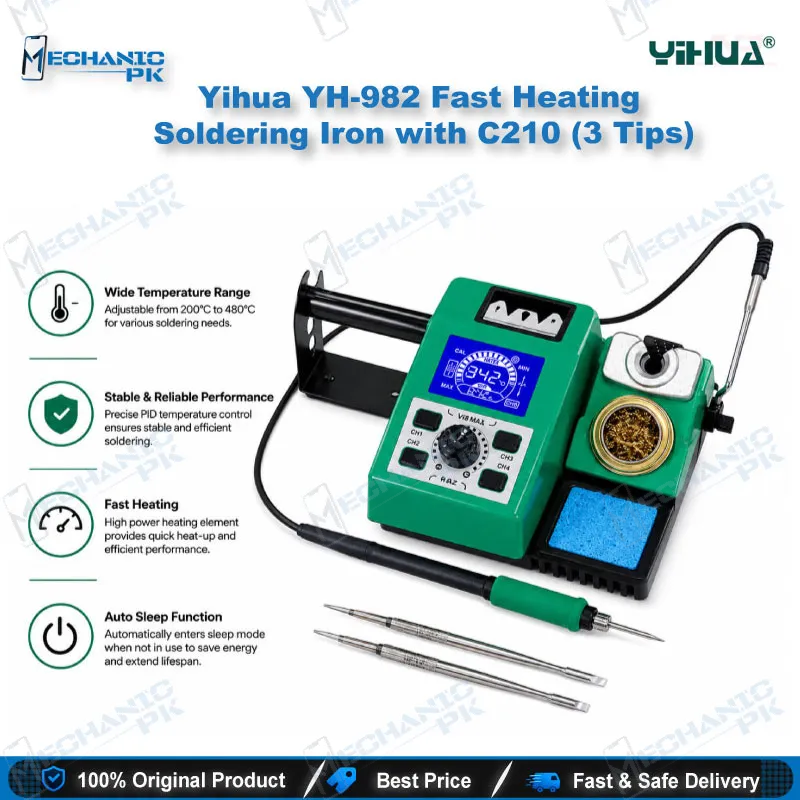
A Samsung BGA power IC demands controlled heat. Lock the board in a PCB holder, apply flux, and lift the old chip with a hot air station set to suit the board’s shields and nearby plastic parts. Clean the pads with a soldering station and desoldering wick until they sit flat and bright. Reball the new chip with the correct stencil from a reballing kit, align it under a microscope, and reflow it evenly. A lifted pad under a PMIC breaks a critical rail, so inspect every pad before placement. After reflow, recheck rail outputs and idle current before you reassemble the phone.
Matching the Marking and Suffix
The S5M8767 line reaches the repair market in several suffix variants. Read the full top marking on the original chip before ordering. The suffix often reflects a device-specific variant or factory configuration, so a chip with a different suffix may not follow the original power sequence even when the footprint fits. Confirm 8767-64 on the original IC and you remove the most common cause of failed PMIC swaps.
What Follows a Successful PMIC Swap
A restored power section lets you test the rest of the system. If the phone now powers on but shows a boot loop issue or stays on the logo, move to storage checks with ISP pinout tools and eMMC programmers, or run software-level diagnostics through a test box. This sequence keeps hardware fault and software fault diagnosis separate and saves bench time.
| Weight | 0.1 kg |
|---|
Key Features
- Samsung S5M8767-family power management architecture
- Nine buck converters for high-current processor and memory rails
- Multiple LDO regulators for low-noise peripheral supply
- Integrated real-time clock block
- Built-in clock outputs for system timing
- GPIO-selectable dynamic voltage control on buck rails
- BGA package for direct board-level replacement
- Exact 8767-64 suffix marking for precise variant matching
Specifications
| Brand | Samsung |
|---|---|
| Model | 8767-64 (S5M8767 PMIC family) |
| Category | Power Management IC (PMIC) |
| Compatibility | Samsung logic boards fitted with an original 8767-64 marked PMIC |
| Technology | 9 buck converters, LDO regulators, real-time clock, clock outputs, GPIO-based dynamic voltage selection; BGA package |
Common Repair Uses
- Rail-level power section repair on Samsung boards
- Dead phone repair where the PMIC fails to start
- Short-circuit current on a DC power supply traced to the PMIC
- Missing or collapsed buck and LDO output rails
- Hang on logo caused by unstable supply voltages
- PMIC overheating at power-on
- Board recovery after liquid damage corrodes the power section
- Rework after a failed previous PMIC swap or cracked solder balls
Compatible Devices
- Samsung boards built on the S5M8767 power architecture, matched by exact chip marking
- Samsung logic boards carrying an original 8767-64 marked PMIC
- Samsung platforms designed around the S5M8767 PMIC family
- Boards with a matching BGA footprint and identical 8767-64 suffix marking
FAQ
What is the product name?
What is the brand of this product?
What is the model of this product?
What is this product used for?
Which devices are compatible with this product?
Who should use this product?
How do I confirm the 8767-64 power IC is faulty before replacing it?
Can I use an 8767 chip with a different suffix in place of 8767-64?
Related products