













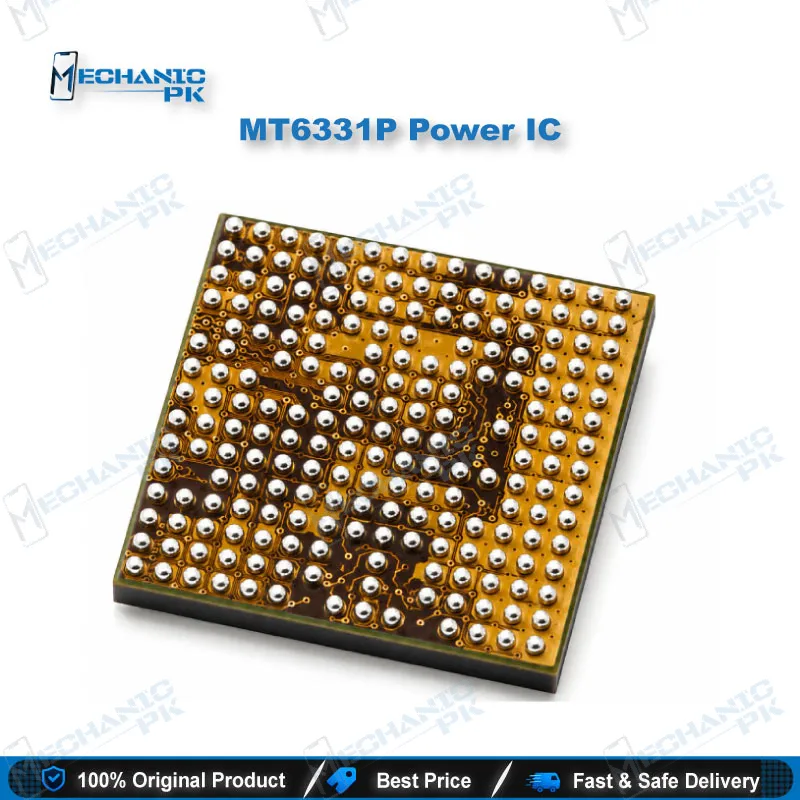
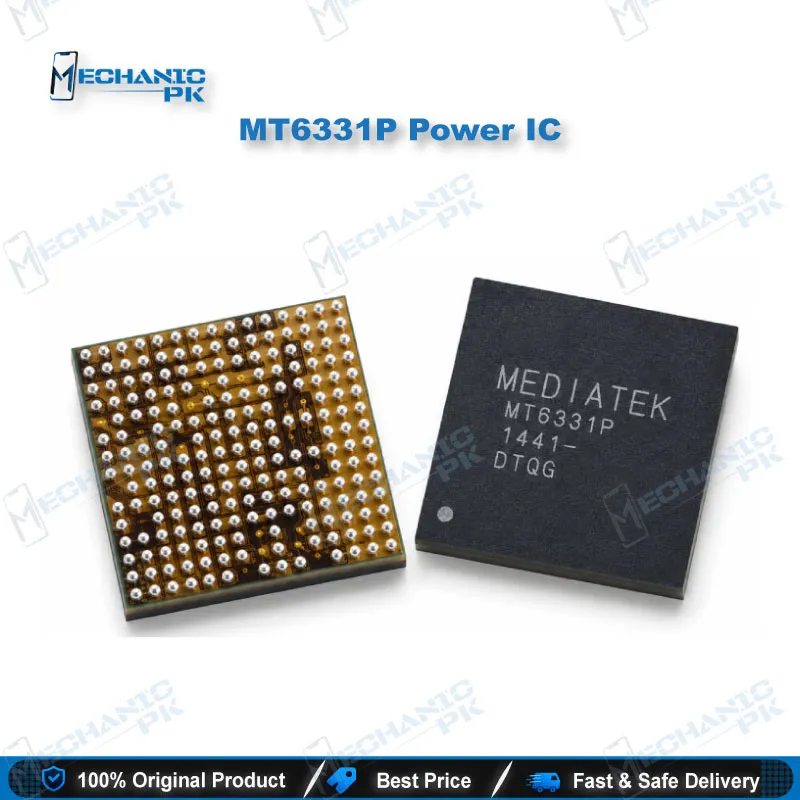
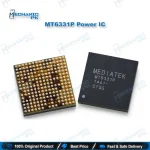
MT6331P Power IC – MediaTek PMIC for Helio X10 MT6795
₨ 250
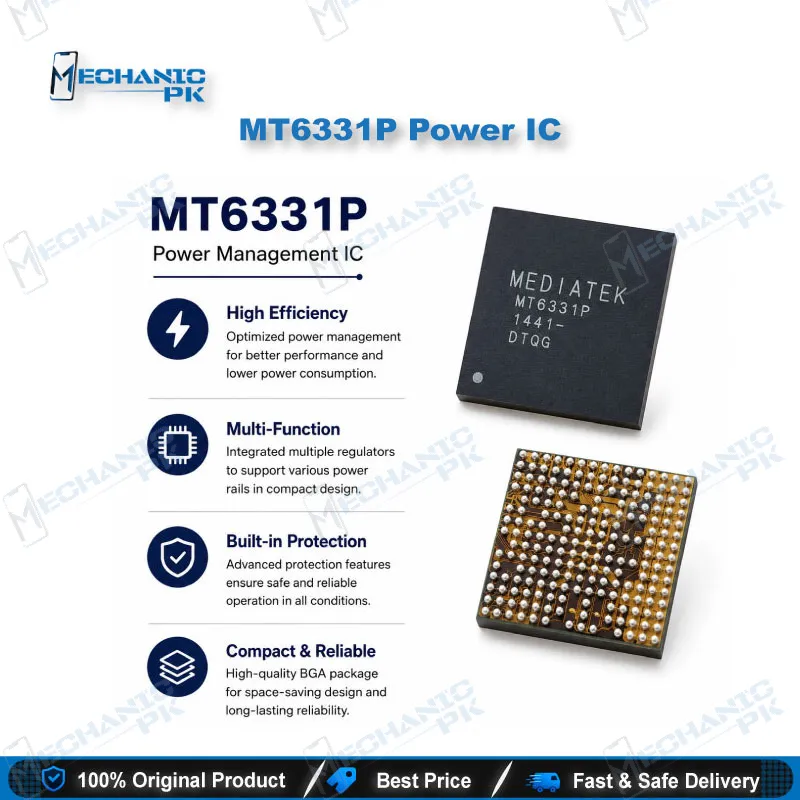
MT6331P Power IC for MediaTek Helio X10 Board Repair
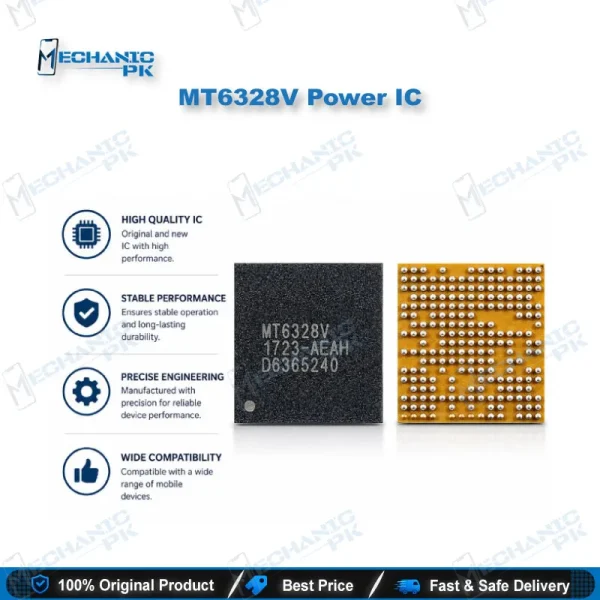
The MT6331P Power IC is MediaTek’s main power management IC for MT6795 Helio X10 smartphone boards, where it works alongside the MT6332 companion PMIC. It supplies the regulated voltage rails for the processor, memory, camera, and I/O sections, runs the real-time clock, and handles the power-key signal that starts the boot sequence. When this chip fails, you typically get a dead phone with zero current draw, a shorted main rail, or a board that shuts down mid-boot. Mechanicpk supplies this chip in a lead-free BGA package for technicians who work on PMIC-level replacement and Helio X10 power section faults.
MT6331P Power IC: MediaTek Main PMIC for MT6795 Helio X10 Boards
The MT6331P Power IC is the main power management IC that MediaTek pairs with the MT6332 companion PMIC on MT6795 Helio X10 smartphone boards. Inside a working phone, this chip feeds regulated rails to the CPU, memory, camera, and I/O blocks, keeps the RTC running, and processes the power-key input that starts the boot sequence. When it fails, the board usually shows a dead phone with no current draw, a short on a main rail, or a device that switches off during boot. Mechanicpk supplies the MT6331P power IC in a lead-free BGA package for technicians who handle PMIC-level board repair on Helio X10 devices.
Where the MT6331P Sits in the Helio X10 Power Architecture
MediaTek built the Helio X10 platform around a two-PMIC topology. The MT6331P acts as the main PMIC, and the MT6332 serves as its companion. The SoC communicates with both chips only through the PMIC wrapper (pwrap) interface, so a fault in either IC can break the entire power-up handshake. Linux kernel driver work on this platform documents buck and LDO regulators, an RTC block, and power-key handling inside the MT6331, and developers validated that support on a Sony Xperia M5. For your diagnosis, this means a dead Helio X10 board needs checks on both PMICs, never just one.
Diagnosing an MT6331P Power IC Fault Before Replacement
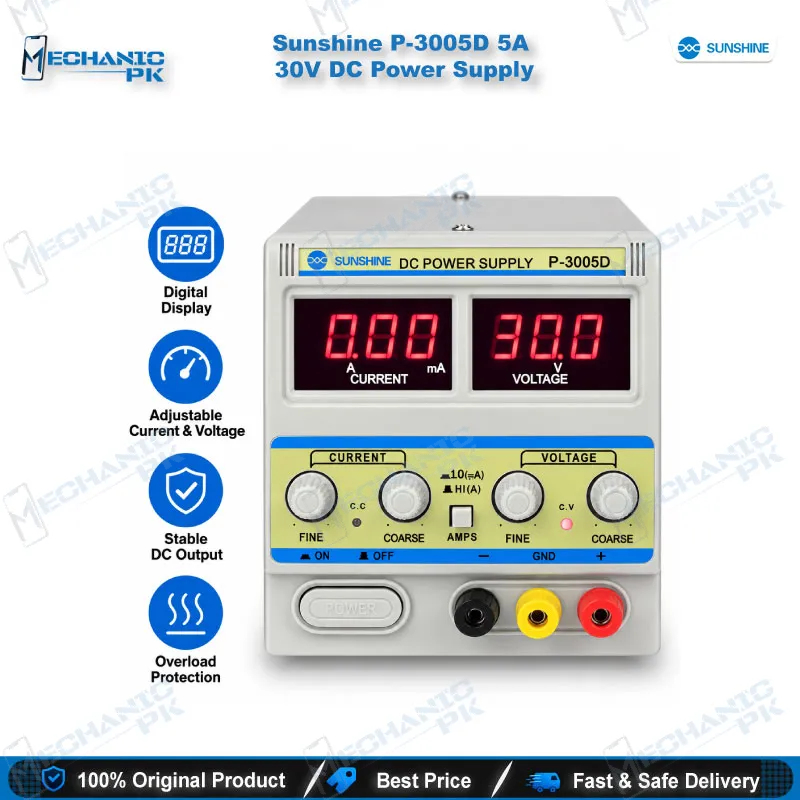
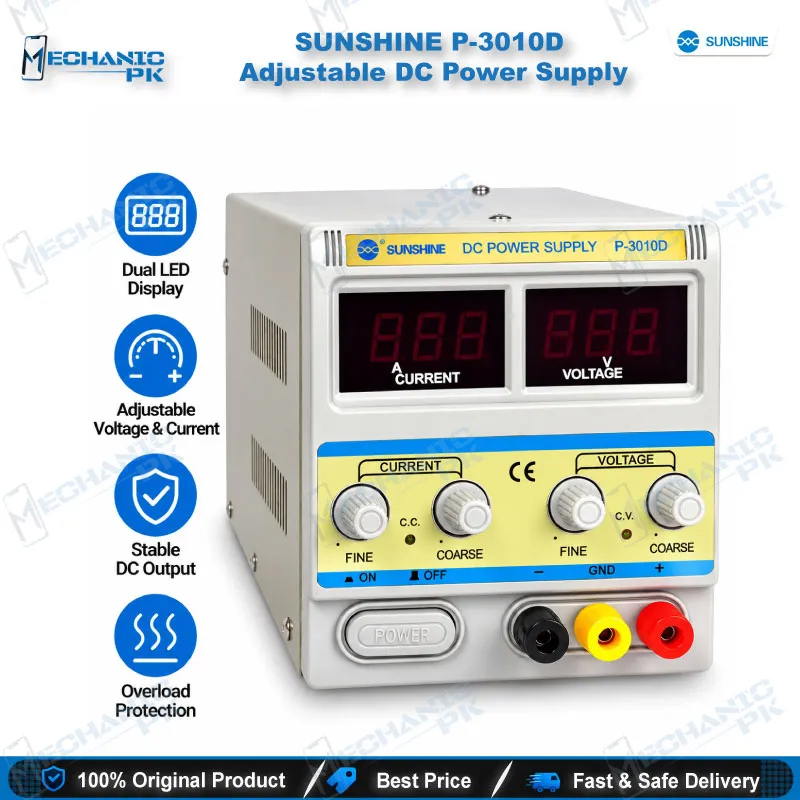
Start with a DC power supply and watch the current draw when you press the power key. A board that pulls zero current, or one that jumps straight to a heavy short, often points to the power section. Use a multimeter in diode mode to compare the main rails around the PMIC against a known-good board reading. Thermal imaging or freeze spray helps you locate a shorted capacitor near the chip before you condemn the IC itself. Read the marking on the original chip, including any suffix such as MT6331P/A, so your replacement matches the board revision exactly. MediaTek PMICs do not swap pin-to-pin across platforms, so never substitute a different MT63xx part.
Removal and Installation Workflow
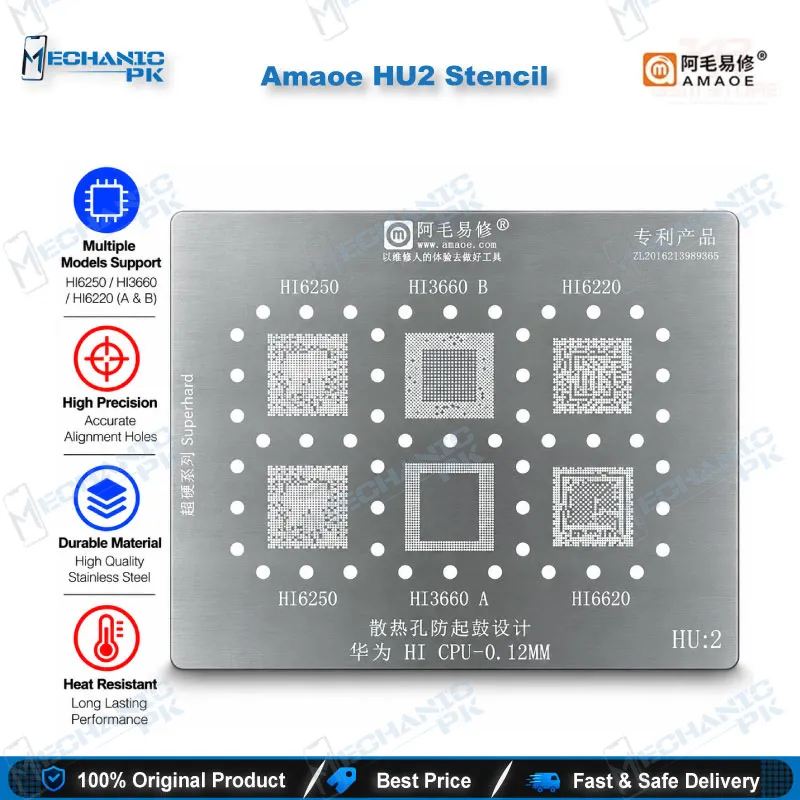
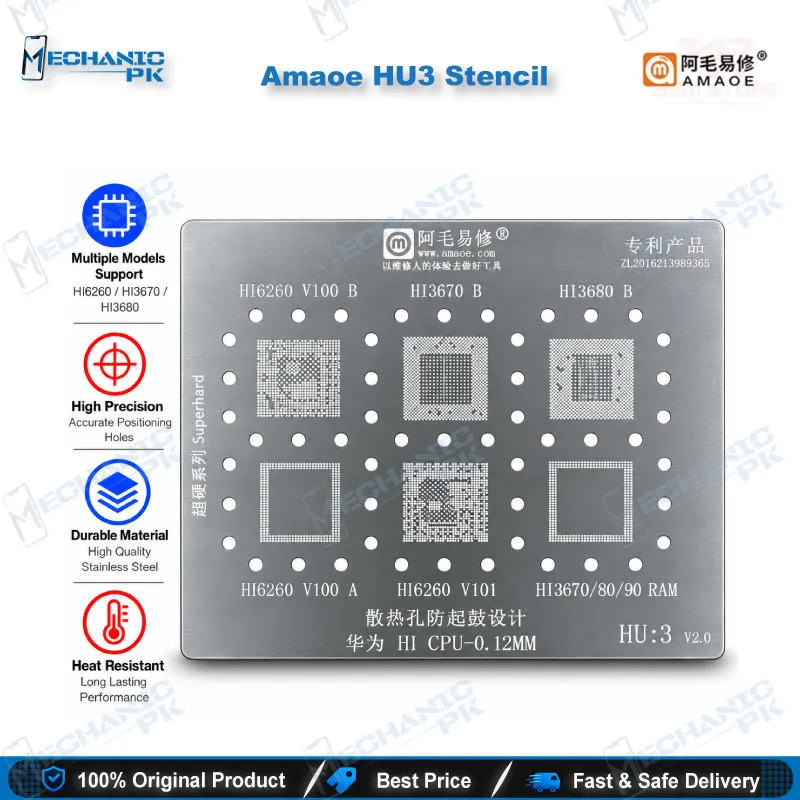
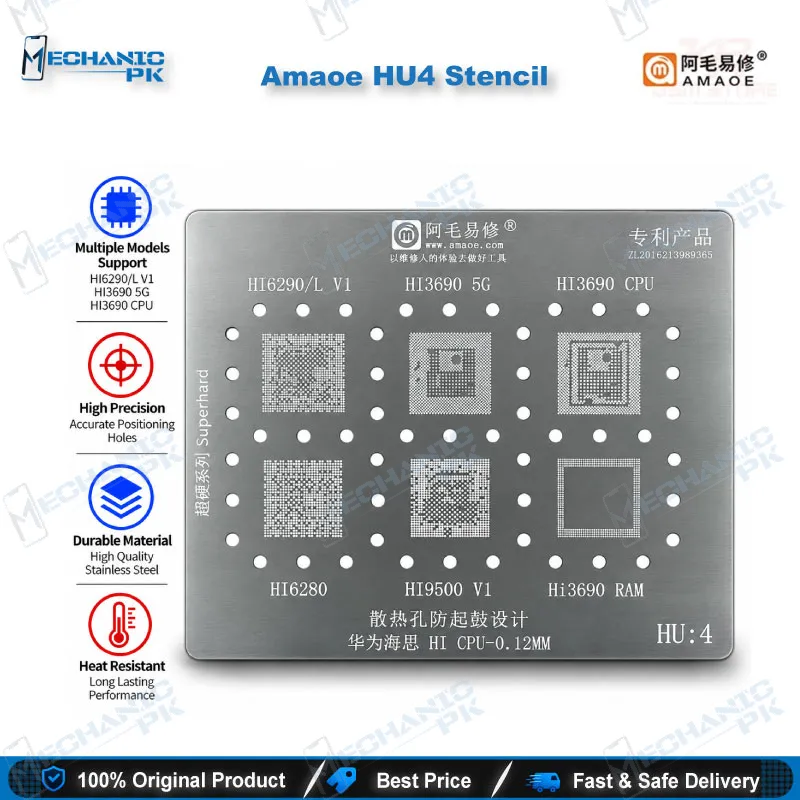
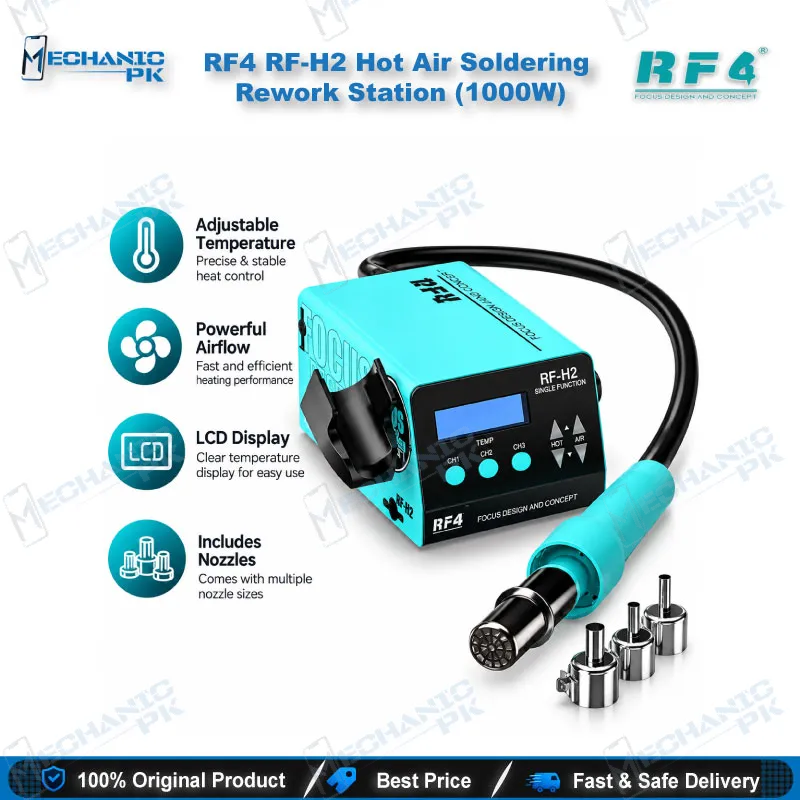
PMIC replacement on these boards follows a standard BGA rework process. Secure the board in a PCB holder, apply quality flux, and lift the old chip with a hot air station using controlled temperature and airflow to protect the surrounding components and the underfill area. Clean the pads with desoldering wick and a soldering station, then inspect them under a microscope for lifted pads, torn traces, or bridged solder. Reball the new MT6331P with a reballing kit and the correct stencil, align it to the silkscreen outline, and reflow it evenly. Let the board cool fully before the first power test, since a rushed test on a hot board hides weak joints.
Testing After Replacement
Reconnect the board to the DC power supply and confirm that the current draw rises through normal boot stages instead of stalling or spiking. Measure the key output rails with a multimeter and compare them with the readings you logged earlier. If the phone now powers on but hangs on logo or enters a boot loop issue, the power section repair has done its job and the remaining fault likely sits in software or storage. At that stage, a test box, ISP pinout tools, or an eMMC programmer or UFS adapter (matched to the board’s storage type) takes over the diagnosis.
Built for Professional Board-Level Workshops
This chip suits technicians who already run a complete rework bench. Service centers that handle older MediaTek flagships, refurbishers who rebuild Helio X10 boards in batches, and training institutes teaching PMIC-level repair all use this part regularly. The MT6331P power IC belongs in the same parts drawer as its MT6332 companion, so you can address both chips in a single repair session when diagnosis points to the power section. Mechanicpk stocks MediaTek ICs alongside the hot air stations, soldering stations, reballing kits, microscopes, and multimeters this repair depends on, so you can source the complete job from one distributor.
| Weight | 0.1 kg |
|---|
Key Features
- Genuine MediaTek main PMIC designed for the MT6795 Helio X10 platform
- Works in tandem with the MT6332 companion PMIC through the pwrap interface
- Integrated buck converters and LDO regulators supply the SoC, memory, camera, and I/O rails
- Built-in RTC block maintains clock function on the board
- Handles power-key input that triggers the boot sequence
- BGA package suited to standard hot air rework and reballing workflows
- Lead-free, RoHS-compliant construction
- Direct replacement part for boards marked MT6331P
Specifications
| Brand | MediaTek |
|---|---|
| Model | MT6331P |
| Category | Power Management IC (PMIC) |
| Compatibility | MediaTek MT6795 Helio X10 platform (main PMIC, paired with MT6332 companion PMIC) |
| Supported Devices | Sony Xperia M5 (MT6795 board with MT6331 + MT6332 PMIC combo) |
| Technology | BGA package, lead-free / RoHS compliant; integrated buck and LDO regulators, RTC, power-key handling; accessed through MediaTek PMIC wrapper (pwrap) |
Common Repair Uses
- Dead phone repair with zero current draw on the DC power supply
- Main power rail short traced to a failed PMIC
- Phone that switches off during boot due to unstable voltage rails
- No response to the power key on Helio X10 boards
- RTC and clock-related faults caused by PMIC damage
- Liquid damage repair where corrosion has destroyed the power section
- PMIC replacement after a failed rework or overheating incident
- BGA reballing and reflow practice on MediaTek power ICs
Compatible Devices
- MediaTek MT6795 Helio X10 smartphone boards using the MT6331 + MT6332 PMIC combo
- Sony Xperia M5 (verified MT6795 board with MT6331/MT6332)
- Boards carrying the MT6332 companion PMIC as the secondary power chip
- Other MT6795 Helio X10 phones, confirmed by matching the MT6331P marking on the original chip before replacement
- Boards marked with MT6331P suffix variants such as MT6331P/A (match the exact marking)
- MediaTek-based Android phones using the main + companion PMIC layout with MT6331P
- Refurbishment and donor boards from the Helio X10 platform family
- Training boards used for MediaTek PMIC replacement practice
FAQ
What is the product name?
What is the brand of this product?
What is the model of this product?
What is this product used for?
Which devices are compatible with this product?
Who should use this product?
Does the MT6331P need the MT6332 companion PMIC to work?
Is the MT6331P a BGA chip that needs reballing before installation?
Related products