





















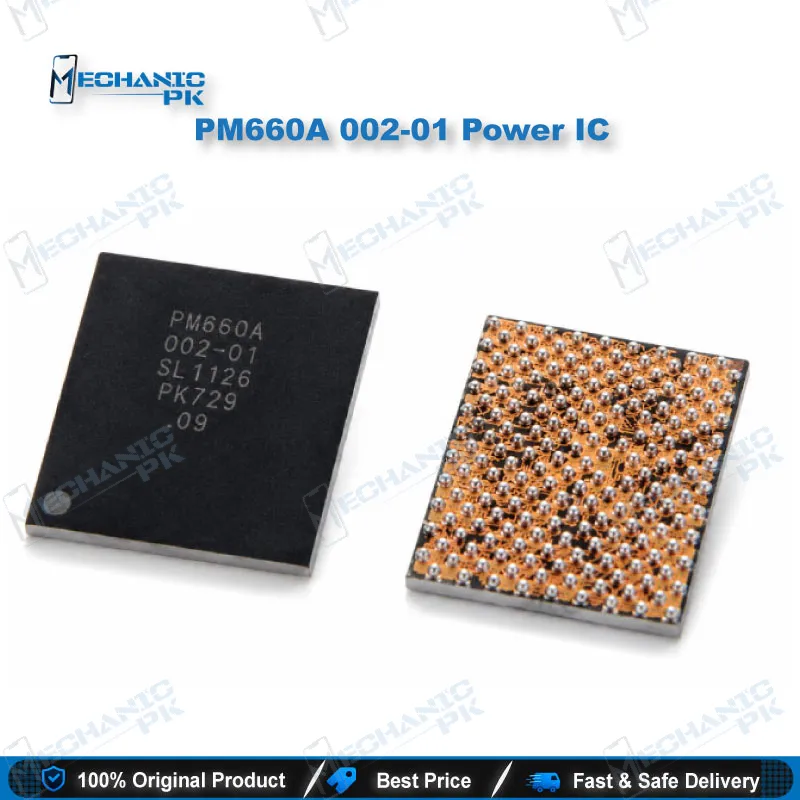
PM660A 002-01 Power IC – Qualcomm PMIC for OPPO & Vivo
₨ 250
PM660A Power IC for Snapdragon 660 Board Repair
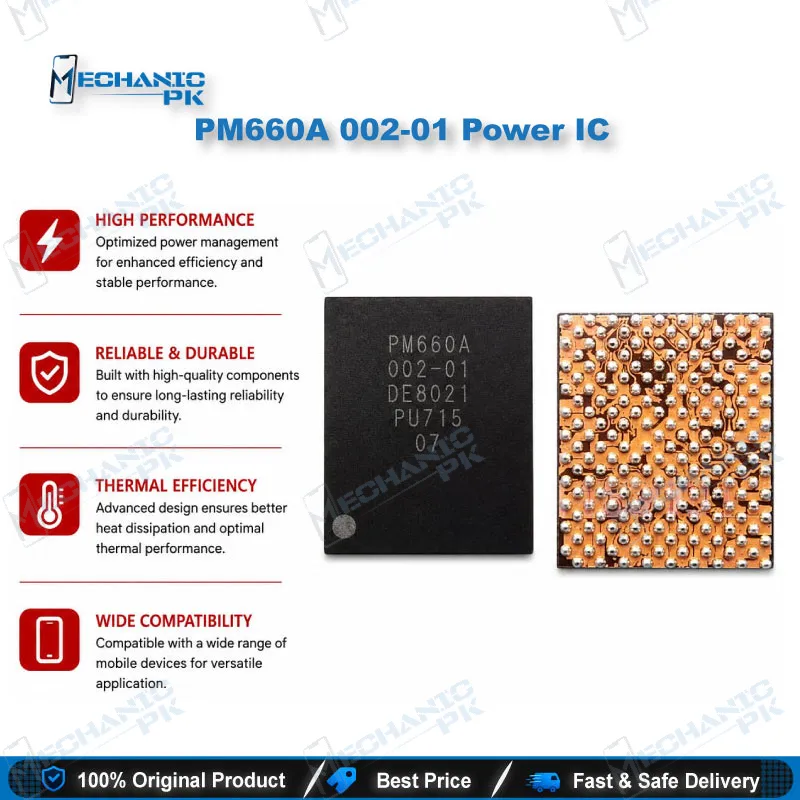
The PM660A 002-01 Power IC is a Qualcomm companion PMIC that works alongside the main PM660 chip on Snapdragon 660-class motherboards. Repair compatibility references match this PM660A power IC to OPPO R11, R11 Plus, R11s and Vivo X20 Plus and X21 boards. Technicians replace it when a dead phone, short on a supply rail or failed power-on sequence traces back to the companion PMIC rather than the battery, charging circuit or main PM660. Mechanicpk supplies it for board-level repair benches that diagnose to component level and need a like-for-like part matched to the exact 002-01 marking.
PM660A Power IC: Qualcomm Companion PMIC for Snapdragon 660 Boards
The PM660A 002-01 Power IC is a Qualcomm power management chip built to work alongside the main PM660 PMIC on Snapdragon 660-class motherboards. Repair compatibility references link this PM660A power IC to OPPO R11, R11 Plus, R11s and Vivo X20 Plus and X21 boards, where the two PMICs share the job of generating and sequencing the supply rails that the processor, memory and peripherals depend on. When the companion chip fails, the phone often lands in a dead-phone or no-power condition even though the battery, charging port and main PMIC check out. Mechanicpk stocks this part for technicians who repair at component level and prefer a precise replacement over a board swap.
Where the PM660A Sits in the Power Architecture
Qualcomm builds its mid-range platforms around a two-PMIC arrangement. The PM660 acts as the primary power controller, and a companion chip extends the number of regulated rails available to the board. Qualcomm’s own SDM455 reference platform carries the same PM660 + PM660A pairing, which shows how the two chips operate as a matched set. Because both PMICs take part in the start-up sequence, a fault in either one can stop the board before the processor ever boots. That is why a phone with a healthy PM660 can still refuse to power on.
Understanding the 002-01 Marking
The 002-01 code on the package identifies the variant of the chip. Similar-looking parts circulate in the same family, including PM660 001, PM660 002 and PM660L 004-01, and each one serves a different role on different boards. Before you order, read the full marking on the original chip under a microscope and match it exactly. A PM660L, for example, appears on Xiaomi Mi Note 3 and Redmi Note 6 Pro boards, while the PM660A appears on OPPO and Vivo Snapdragon 660 designs. Matching the marking saves you a second rework cycle on an already stressed board.
Diagnosing the Fault Before You Replace the PMIC
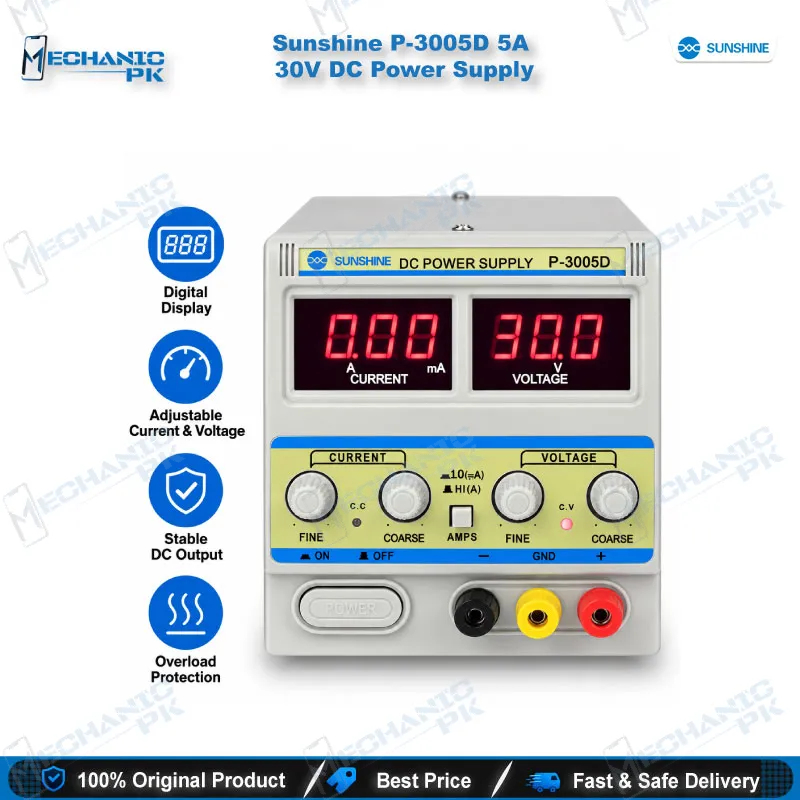
Good diagnosis keeps you from lifting a working chip. Start by confirming the battery and battery connector, then power the board from a DC power supply and watch current draw when you press the power key. A board that pulls current instantly with no key press usually points to a short somewhere on the power section. Use a multimeter in diode mode to check the rails and capacitors around the PMIC for a short to ground, and use freeze spray or a thermal camera to locate the component heating up. If the phone shows boot loop or hang on logo, flash a clean firmware through your test box first, since a software fault can look like a hardware fault at first glance. Replace the PM660A only once the evidence points to the chip itself.
Replacement Workflow on the Repair Bench
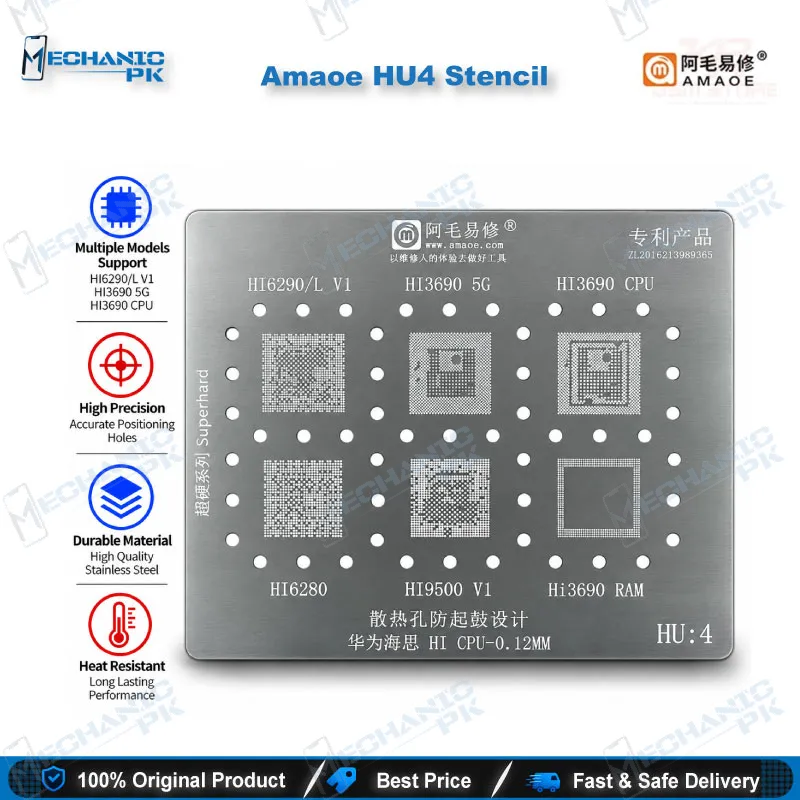
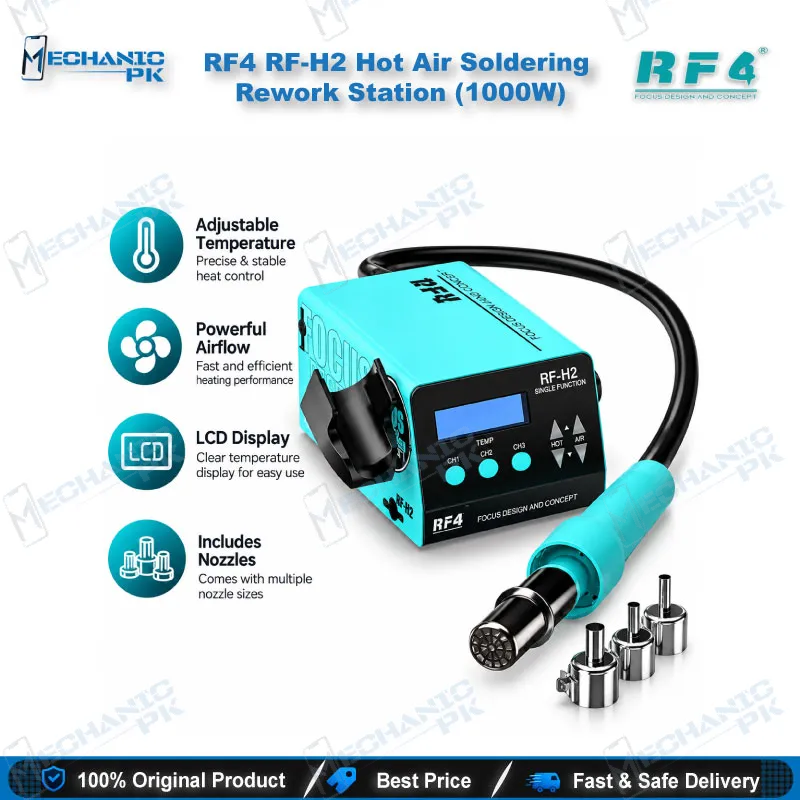
Mount the board in a PCB holder and shield nearby plastic connectors and small capacitors with heat-resistant tape. Apply quality flux, then lift the old chip with a hot air station using a controlled, even heating profile so the surrounding parts stay in place. Clean the pads with a soldering station and desoldering wick until they sit flat and bright. Reball the new chip with a matching stencil from your reballing kit, align it under the microscope, and reflow it evenly. After reflow, check current draw on the DC supply again before a full power-on test, then confirm charging, display and network behaviour.
Who Should Stock the PM660A Power IC
Service centers and repair shops that handle OPPO and Vivo Snapdragon 660 phones benefit from keeping this PMIC on the shelf, since power faults on these boards show up regularly in the repair queue. Pair it with the PM660 main PMIC and PM660L in your parts inventory so you can resolve the full family of Snapdragon 660 power faults without waiting on orders. For complete board recovery, related tools from the Hot Air Stations, Soldering Stations, Reballing Kits, Microscopes, PCB Holders, Multimeters and Test Boxes categories round out the workflow, and ISP Pinout Tools help when you need to secure customer data from a board before rework.
| Weight | 0.1 kg |
|---|
Key Features
- Qualcomm PM660A companion PMIC with the 002-01 variant marking
- Designed to work alongside the PM660 main PMIC on Snapdragon 660-class platforms
- Matches OPPO R11, R11 Plus, R11s and Vivo X20 Plus and X21 board designs
- Enables component-level power section repair instead of full motherboard replacement
- Restores power-on sequencing when the companion PMIC causes a no-power fault
- Suited to hot air removal, reballing and reflow on a standard rework bench
- Distinct part from PM660 001/002 and PM660L 004-01, which supports accurate like-for-like replacement
- Useful inventory part for service centers handling Snapdragon 660 power faults
Specifications
| Brand | Qualcomm |
|---|---|
| Model | PM660A 002-01 |
| Category | Power Management IC (PMIC) |
| Compatibility | Snapdragon 660-class boards using the PM660 + PM660A pairing |
| Supported Devices | OPPO R11, R11 Plus, R11s, R15 (Snapdragon 660 variant), Vivo X20 Plus, Vivo X21 |
| Technology | Companion PMIC working alongside the Qualcomm PM660 main PMIC |
Common Repair Uses
- Board-level power section repair on Snapdragon 660-class motherboards
- Dead phone with no response to the power key once the battery and connector test good
- Short circuit on supply rails traced to the companion PMIC
- PMIC that heats up under DC power supply testing
- Boot loop or hang on logo traced to a power rail fault after a firmware flash fails to fix it
- Cracked or physically damaged PMIC after a drop
- Corrosion damage around the power section requiring chip replacement
- Recovery after a failed previous PMIC rework
- Like-for-like PMIC replacement during full board refurbishment
Compatible Devices
- Device-specific, scoped to Snapdragon 660-class boards that carry the PM660A companion PMIC
- OPPO R11
- OPPO R11 Plus
- OPPO R11s
- OPPO R15 (Snapdragon 660 variant)
- Vivo X20 Plus
- Vivo X21
- Qualcomm Snapdragon 660-class boards using the PM660 + PM660A pairing
- Qualcomm SDM455 reference designs using the PM660 + PM660A pairing
FAQ
What is the product name?
What is the brand of this product?
What is the model of this product?
What is this product used for?
Which devices are compatible with this product?
Who should use this product?
What is the difference between PM660A and PM660L?
Can I replace PM660A with the PM660 main PMIC?
Related products