






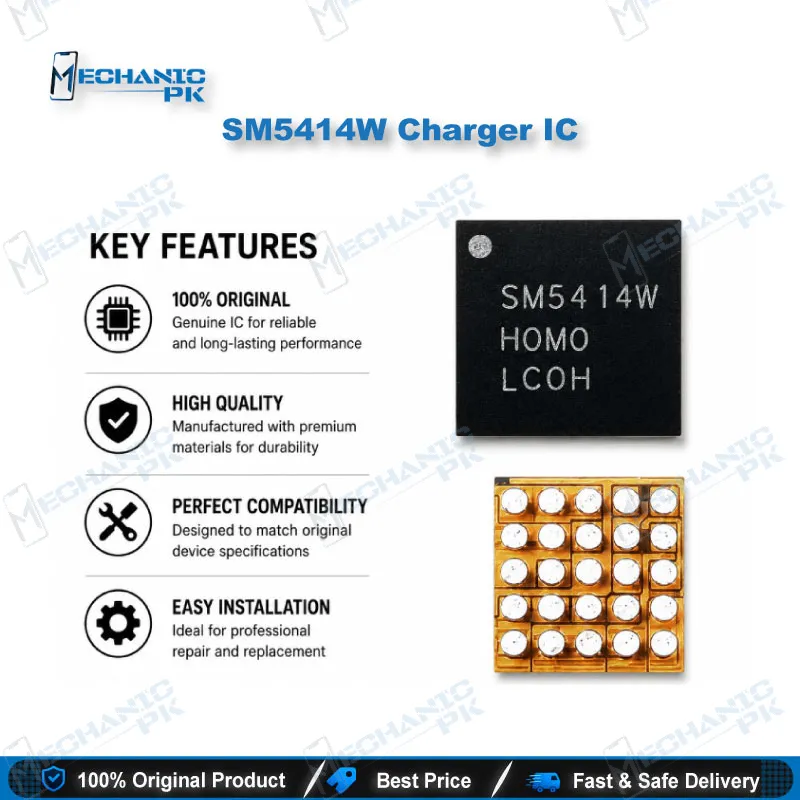
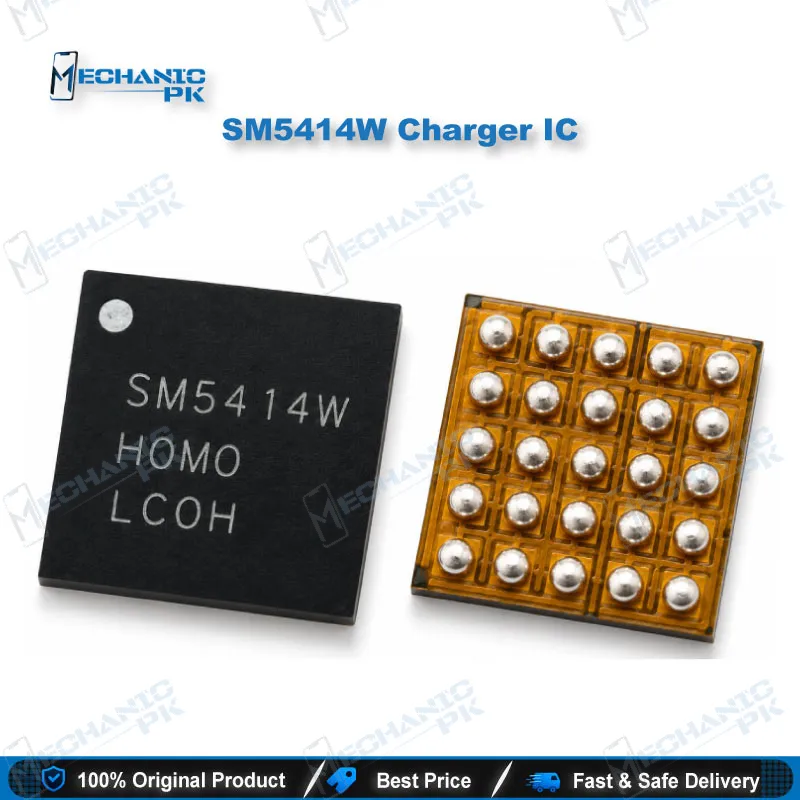
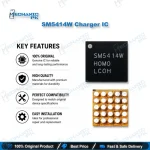
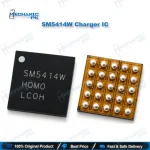
SM5414W Charger IC – 2.5A Li-Ion Switching Charger Chip
₨ 200
SM5414W Charger IC for Board-Level Charging Repair
The SM5414W Charger IC is a 1-cell Li-ion switch-mode charger from the Silicon Mitus SM5414 family, rated for up to 2.5 A of charge or system current. It runs a 1.5 MHz synchronous regulator, accepts USB or travel adapter input with a 20 V maximum withstand rating, and lets the phone’s processor program charge current, termination current and regulation voltage over a 400 kHz I2C bus. Its dual-path output lets the system boot on a dead battery, and a boost mode supplies 5.0–5.2 V at 900 mA for USB OTG. Technicians use it to fix no-charging, dead phone and OTG faults on single-cell Android boards.
SM5414W Charger IC: 2.5A Power-Path Switching Charger for Single-Cell Phones
The SM5414W charger IC belongs to the Silicon Mitus SM5414 family, a 1-cell Li-ion switch-mode charger that combines intelligent power-path control, up to 2.5 A of charge or system current, and a USB OTG boost output in a single 25-bump WLCSP package. For technicians who diagnose charging faults at board level, this chip sits at the exact point where USB or adapter input turns into regulated battery current and system voltage. When it fails, the phone shows a charging issue, refuses to power up from the charger, or becomes a dead phone that draws no current at all.
Inside the SM5414 Architecture
Silicon Mitus builds the SM5414 around a high-efficiency synchronous switching regulator running at 1.5 MHz. A single input accepts both USB and travel adapter (TA) sources, and the input stage withstands up to 20 V, with overvoltage thresholds that the host selects over I2C. The dual-path output feeds the system directly from the input, so a handset can start even with a deeply discharged battery. Remote sensing of battery voltage shortens total charge time by correcting for voltage drop across PCB traces and the battery connector.
I2C-Programmable Charge Parameters
The application processor controls the charger through a 400 kHz full-speed I2C interface. Over this bus, firmware sets fast-charge current, termination current, battery regulation voltage, pre-charge current, fast-charge threshold voltage and charge-reduction threshold voltage. This matters on the repair bench: a replacement only works correctly when the board’s software detects and configures it, so you should always match the exact marking on the original package instead of fitting a lookalike charger from another family. A charge-reduction mode keeps efficiency high as the battery approaches full.
Built-In Protection Set
The SM5414 integrates thermal protection and thermal regulation, input and output overvoltage protection, adaptive input current limit (AICL), reverse leakage protection, battery-absent detection through a dedicated pin, battery OVP and over-current protection in discharge mode. These blocks explain many real field failures. A poor-quality high-voltage adapter or a shorted charging port can push the input stage past its limits, and a damaged IC then shorts VBUS to ground or stops switching entirely.
USB OTG Boost Mode
In boost mode, the SM5414W charger IC reverses direction and supplies 5.0 V to 5.2 V at a programmable 900 mA to an external USB device. When a customer reports that charging works but OTG accessories stay dead, or the reverse, the fault often traces back to this IC or its power inductor rather than the USB connector itself.
Diagnosing a Faulty Charger IC
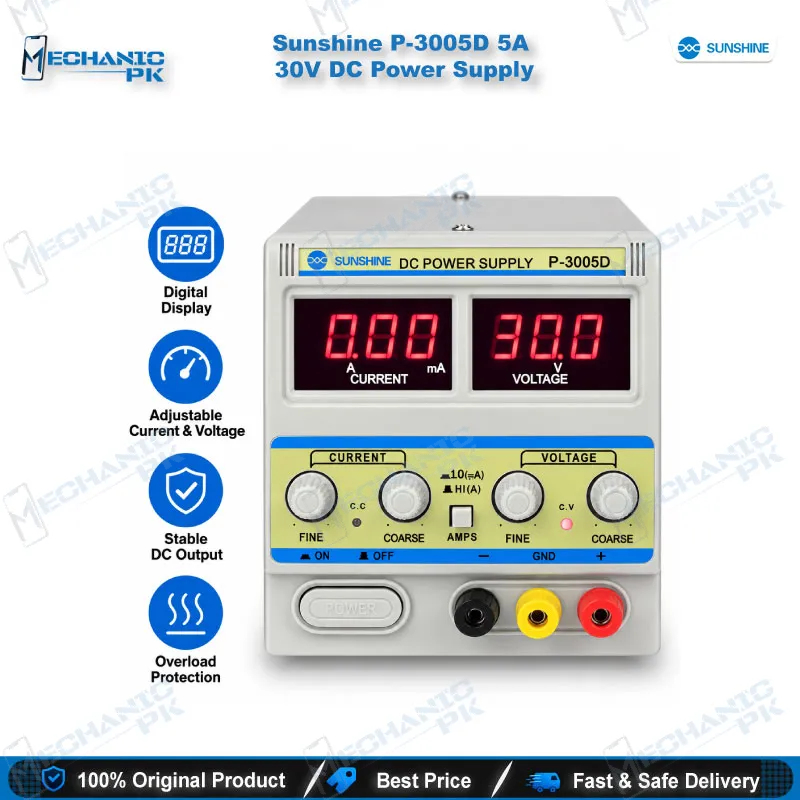
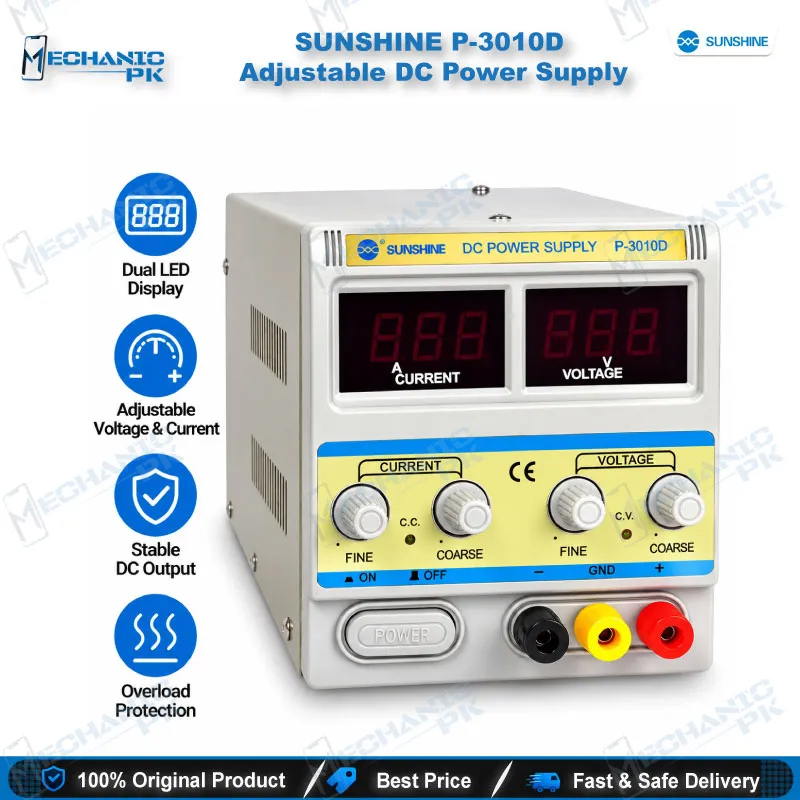
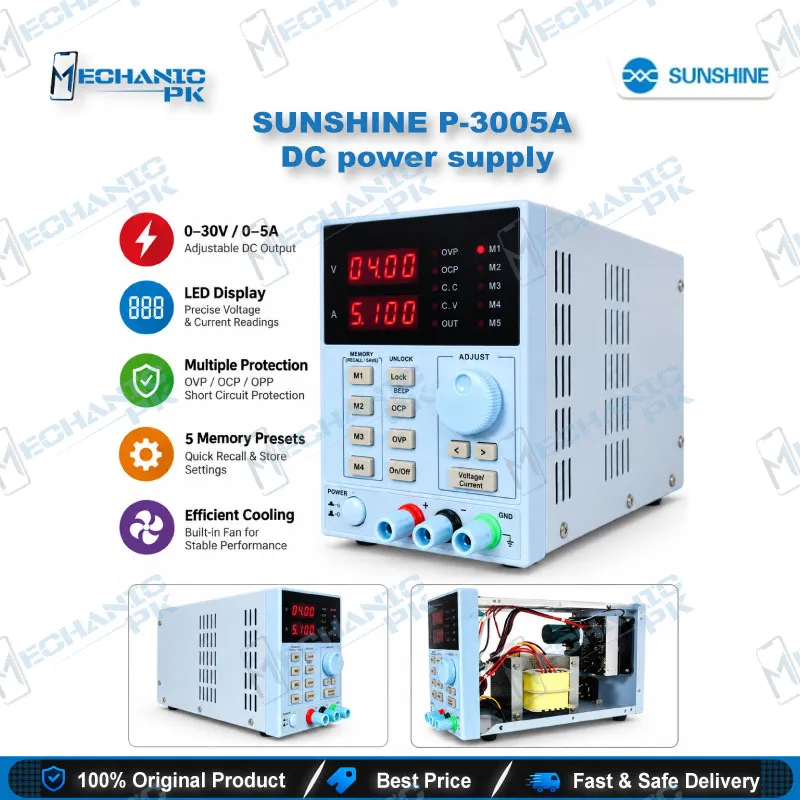
Start with a USB ammeter or a DC power supply to read input current. Zero current with a known-good battery and charging port points toward the charger stage. Use a multimeter in diode mode to compare VBUS, the switching node and the battery line against a known-good board. A thermal camera or rosin vapor quickly reveals a short at the chip. Check the inductor and input capacitors before you condemn the IC, since a cracked capacitor produces the same hardware fault symptoms.
Replacement Workflow on the Repair Bench
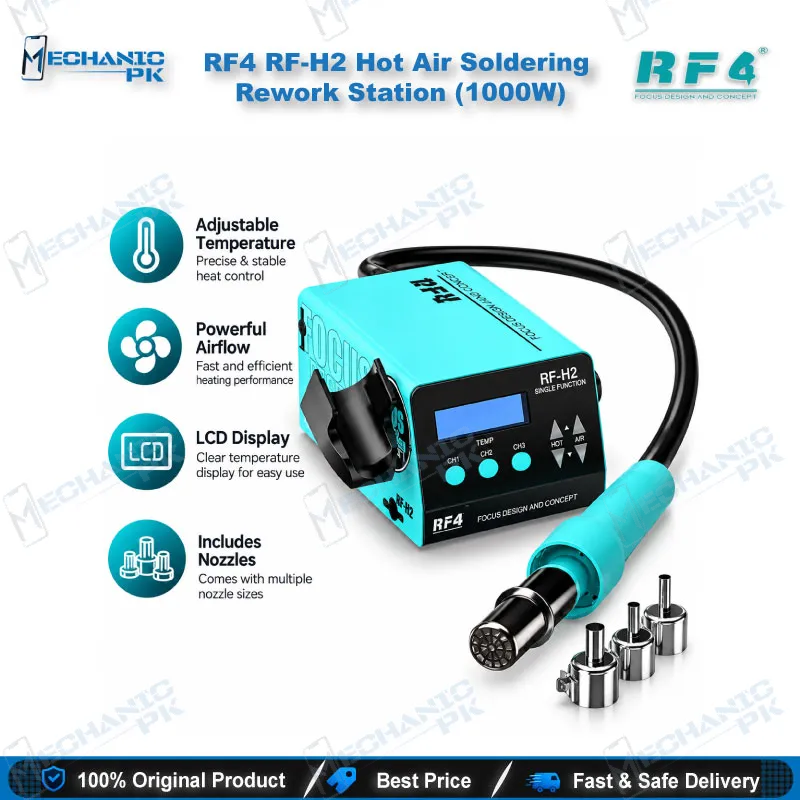
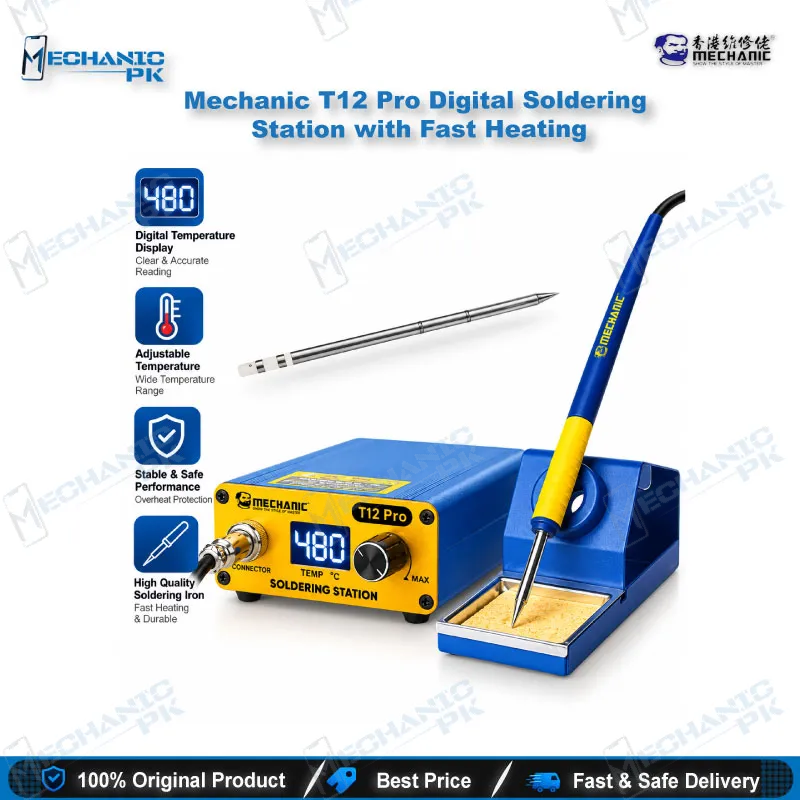
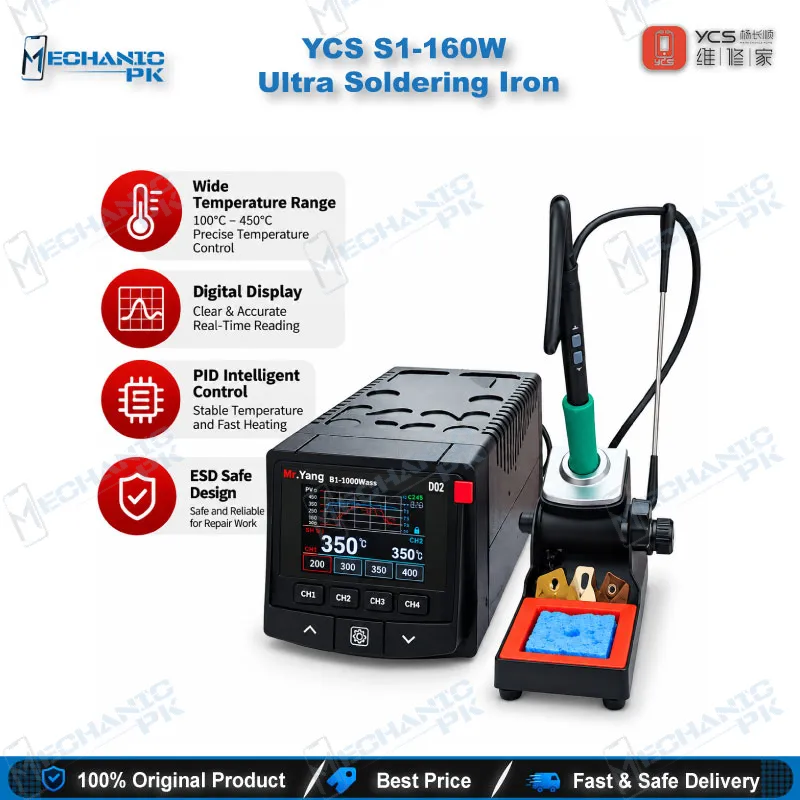
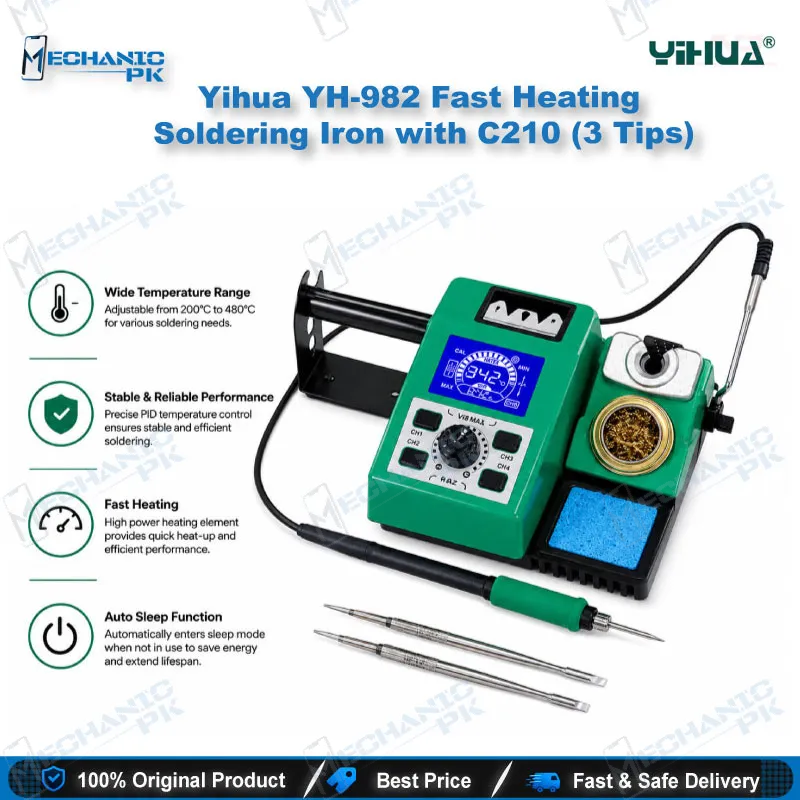
Fix the board in a PCB holder and work under a stereo microscope, because this package size needs clear magnification for accurate alignment. Apply quality flux, then lift the old chip with a hot air station at controlled temperature and moderate airflow so nearby passives stay in place. Clean the pads with a soldering station and desoldering wick, use a fine-stencil reballing kit if the pads need preparation, then seat the new SM5414W charger IC and reflow. Remove flux residue with isopropyl alcohol and test charging current, full-charge behavior and OTG output before you close the phone.
Where It Fits in Your Parts Inventory
Service centers handling Samsung and other single-cell Android boards keep charging ICs like this in stock, since charger-stage failure remains one of the most frequent board-level jobs after liquid damage or a faulty adapter. Combine it with multimeters, test boxes and eMMC programmers, and your bench covers the full path from power fault diagnosis to software recovery.
| Weight | 0.1 kg |
|---|
Key Features
- Up to 2.5 A load current for system or battery
- Dual-path output that powers the system with a dead battery
- High-efficiency synchronous switching regulator at 1.5 MHz
- 20 V maximum withstanding input with I2C-selectable OVP
- I2C-programmable fast-charge, termination, pre-charge and regulation parameters
- Remote battery sensing to minimize total charging time
- Protection suite covering thermal, input/output OVP, AICL, reverse leakage, battery OVP and discharge over-current
- USB OTG boost output of 5.0–5.2 V at 900 mA
Specifications
| Brand | Silicon Mitus |
|---|---|
| Model | SM5414W |
| Category | Charging IC / Li-Ion Battery Charger IC |
| Compatibility | Single-cell (1S) Li-ion battery systems with USB/TA input |
| Technology | Synchronous switch-mode charger with intelligent dual-path power-path, 1.5 MHz switching, 400 kHz I2C interface, 25-bump WLCSP package |
| Input Voltage | 20 V maximum withstanding input |
| Output Voltage | 5.0–5.2 V programmable OTG boost output at 900 mA |
| Power Rating | Up to 2.5 A charge or system load current |
Common Repair Uses
- No-charging fault where the phone shows no charging current
- Dead phone that draws zero current from the charger
- VBUS line short to ground caused by a damaged charger IC
- Charger IC failure after using a high-voltage or poor-quality adapter
- USB OTG output failure with a working charging port
- Phone that fails to boot from charger power with a flat battery
- Charging circuit repair after liquid damage
- Charger stage replacement during board-level power fault diagnosis
Compatible Devices
- Verified at chipset-family scope — device-level model lists vary by board revision, so match the marking on the original chip or the board schematic.
- Samsung phone boards that use the SM5414W/SM5414 charger in the factory schematic
- Samsung tablet boards that use the SM5414 charger family
- Single-cell (1S) Li-ion battery smartphones
- Single-cell Li-ion tablets
- Portable handheld devices with 1-cell Li-ion batteries
- Boards with a single USB/TA charging input
- Boards with an I2C-controlled charger stage
- Boards that power USB OTG through the charger boost output
FAQ
What is the product name?
What is the brand of this product?
What is the model of this product?
What is this product used for?
Which devices are compatible with this product?
Who should use this product?
What is the maximum charge current of the SM5414W charger IC?
Does the SM5414W charger IC support USB OTG output?
Related products