








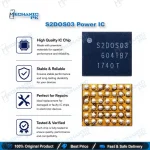
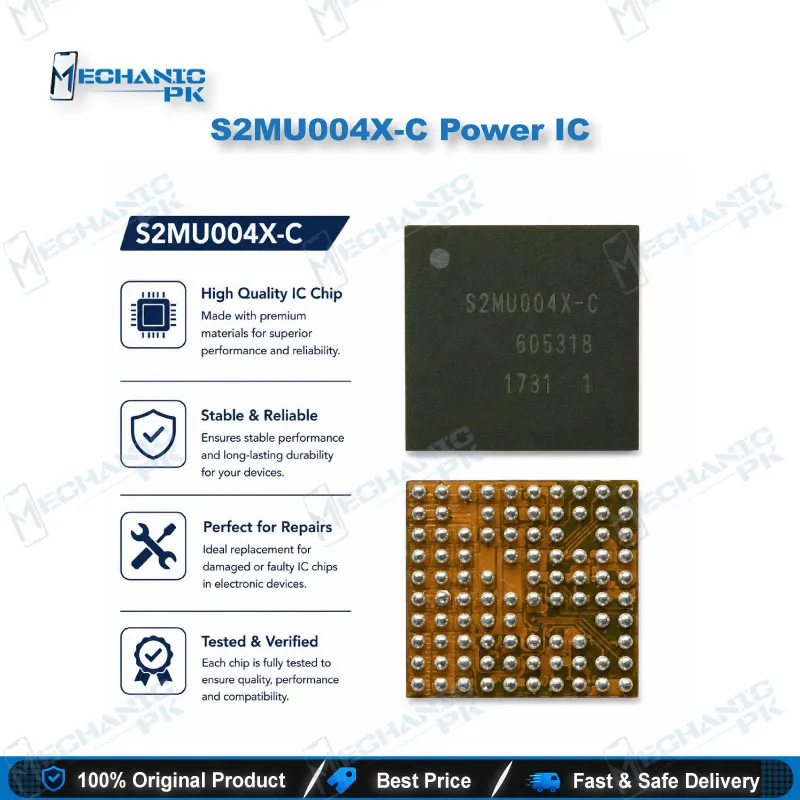
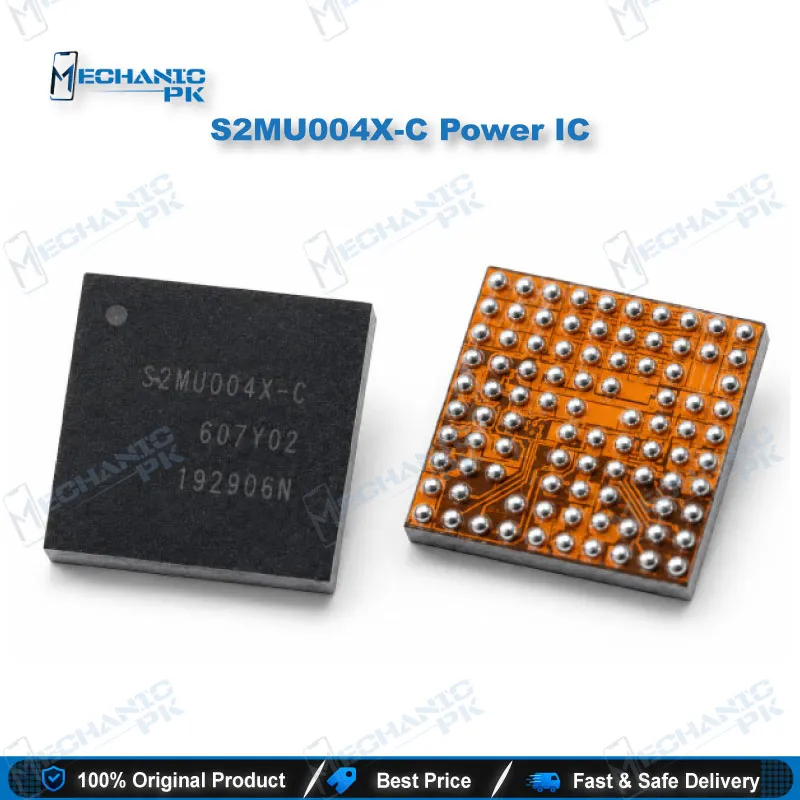
S2MU004X-C Power IC for Samsung A320 A520 A720 G570F
₨ 350
S2MU004X-C Power IC for Galaxy A 2017 and J5 Prime Charging Repairs
The S2MU004X-C Power IC is Samsung’s interface PMIC for the Galaxy A3 (2017), A5 (2017), A7 (2017), and J5 Prime (G570F) mainboards. It controls battery charging, charger and cable detection, USB OTG power, Type-C CC line handling, and fuel gauge sensing from a single chip. When it fails, technicians usually see one of a few faults: a charging issue, a dead phone with a good battery, an unrecognized USB cable, or heat around the charging section. Mechanicpk supplies this exact part number for board-level technicians who have confirmed the fault at chip level and need a direct replacement that matches the original marking.
S2MU004X-C Power IC: Interface PMIC for Samsung Galaxy A 2017 Boards
The S2MU004X-C Power IC is the interface power management chip on the Galaxy A3 (2017), A5 (2017), and A7 (2017) mainboards. Samsung also used it on the Galaxy J5 Prime (G570F). It sits between the USB connector and the battery and decides what happens when a charger, data cable, or OTG device connects to the port. A failed chip usually produces one of a few faults: no charging, a dead phone despite a healthy battery, abnormal heat near the charging section, or a cable the phone never detects. Mechanicpk stocks this S2MU004X-C Power IC for technicians who have already traced the fault to chip level and need the exact part number to finish the job.
What the S2MU004 Controls on the Mainboard
Samsung’s driver source describes the S2MU004 as a multi-function device. It combines a flash LED driver, a service LED driver, a haptic driver, and a MUIC on one shared I2C bus. The A7 2017 service schematic labels the chip as the IF_PMIC and routes the charger, USB OTG, CC1/CC2 Type-C lines, MUIC_ID, and fuel gauge sense lines through it. In practice, this one IC controls charger detection, charging current, OTG output, cable identification, and battery voltage reporting. That level of integration explains why one failed S2MU004X-C can cause several faults that look unrelated.
Fault Symptoms That Point to This IC
Most of these boards reach the bench with a charging issue caused by a faulty adapter, liquid damage at the port, or a voltage spike from a low-quality cable. These patterns point to the chip:
- The phone shows no charging icon even though 5V reaches the port.
- The battery percentage freezes or drops erratically.
- The phone stays dead until you power it from a DC supply.
- The IC heats up within seconds of applying power.
- The phone ignores USB data and OTG accessories.
A short on the charging input or battery rail that traces back to this chip confirms the hardware fault. Rule out the charging port, the sub-board flex, and the battery first, because those parts cost less and fail more often.
Diagnosing Before You Replace
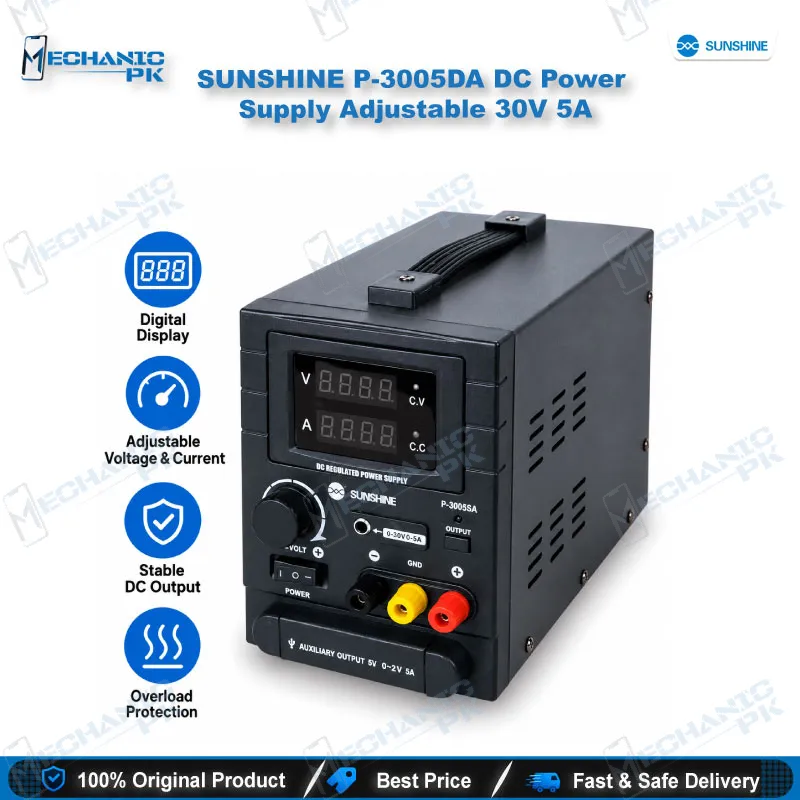
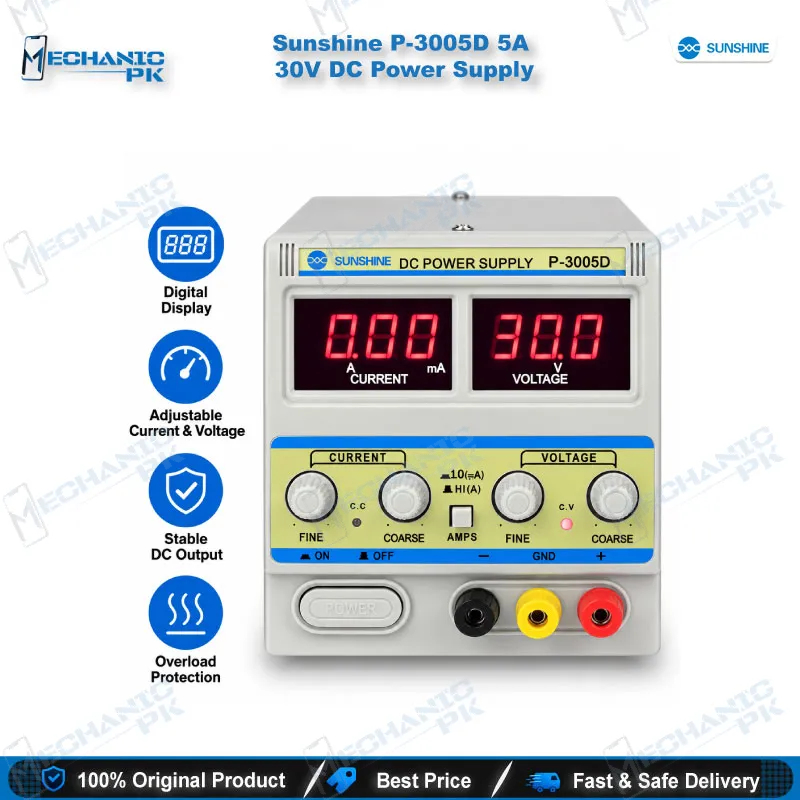
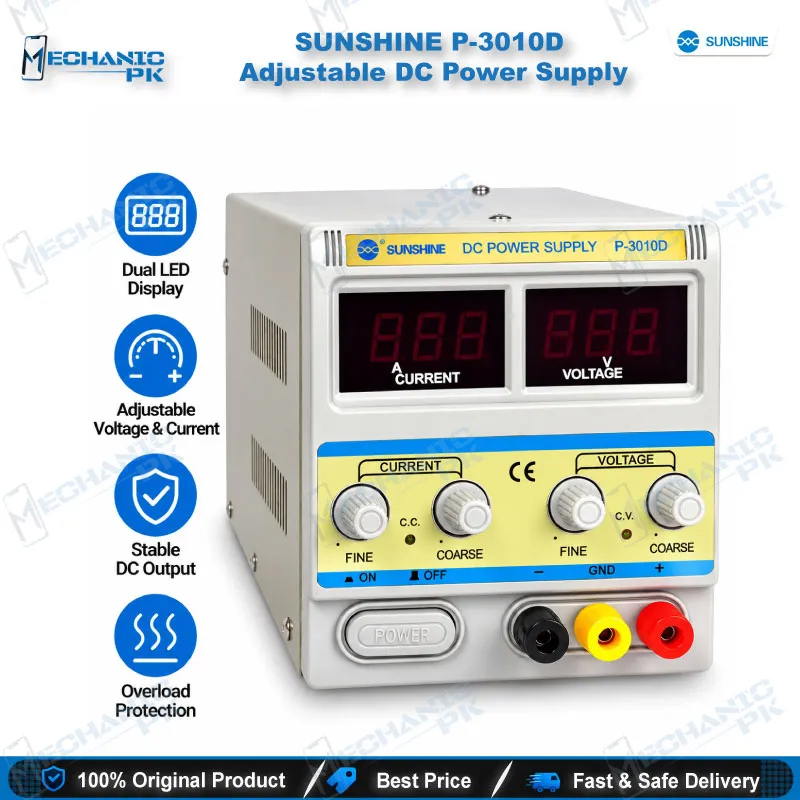
Start with a digital multimeter in diode mode. Measure across the charging input and battery rails, then compare the readings against a known-good board of the same model. Next, power the board from a DC power supply and watch the current draw. A sustained high current at power-on with no boot usually means a shorted rail. Rosin smoke or a thermal camera will locate the hot component quickly. Samsung’s A720 charging troubleshooting flow first checks for 5V at the interface-PMIC input, then checks the charger input line, and only then moves to component replacement. Follow the same sequence on your bench to avoid unnecessary rework.
Replacement Workflow for the S2MU004X-C Power IC
The IC solders directly onto the mainboard, so the job requires controlled rework equipment.
- Secure the board in a PCB holder and remove the shielding.
- Apply quality flux around the chip.
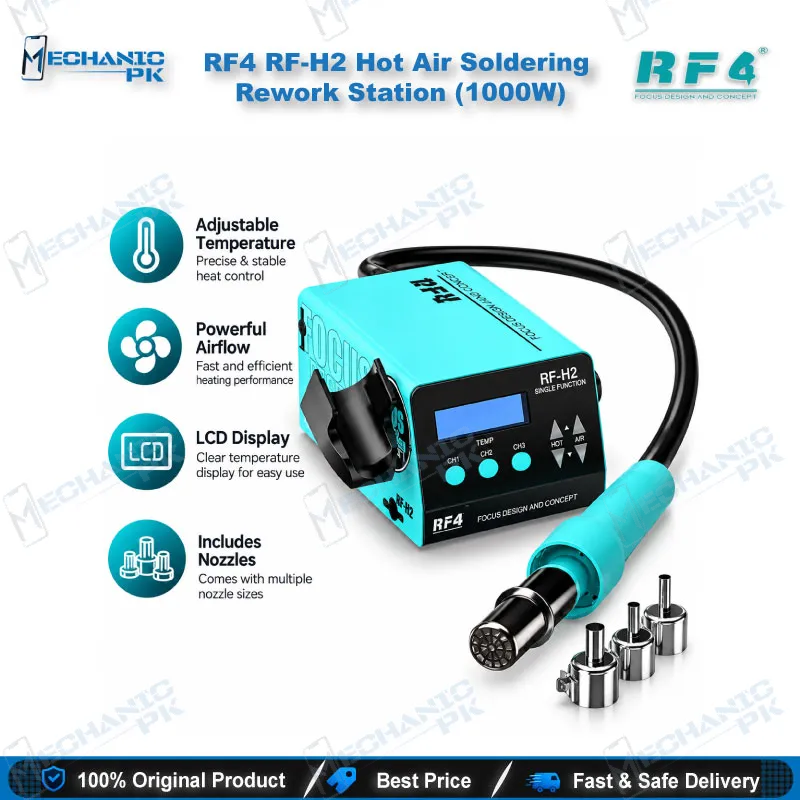
- Lift the faulty IC with a hot air station, using a nozzle and temperature profile that protect nearby components.
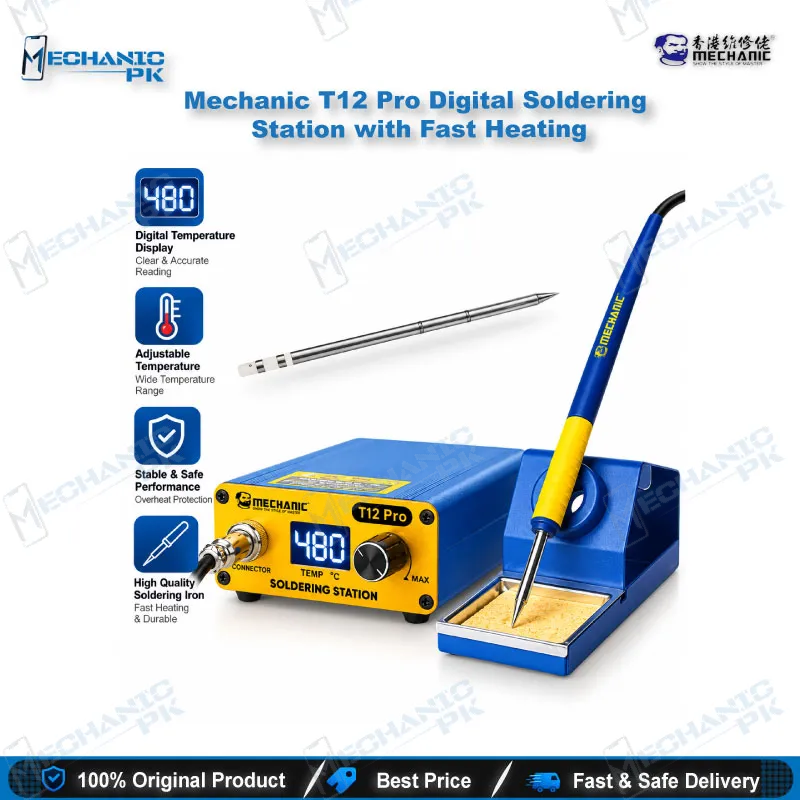
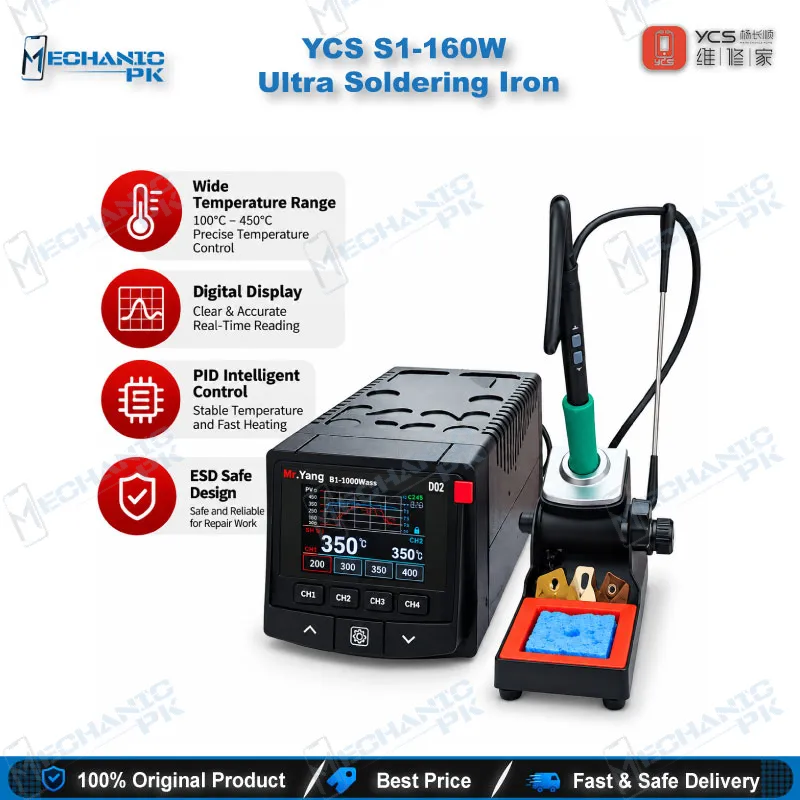
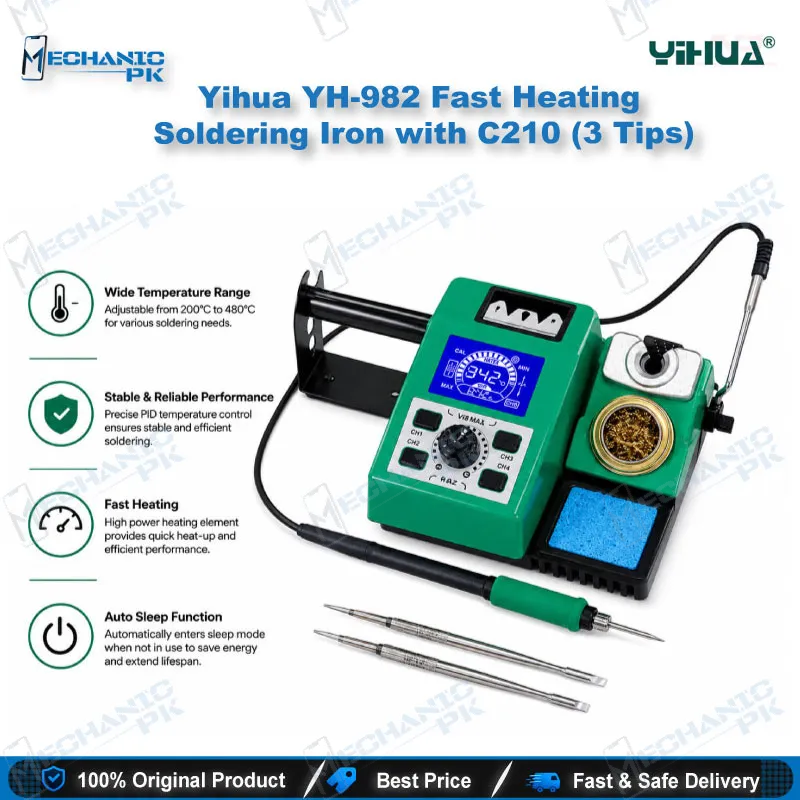
- Clean the pads with a soldering station and desoldering wick.
- Inspect every pad under a microscope for lifted or torn pads.
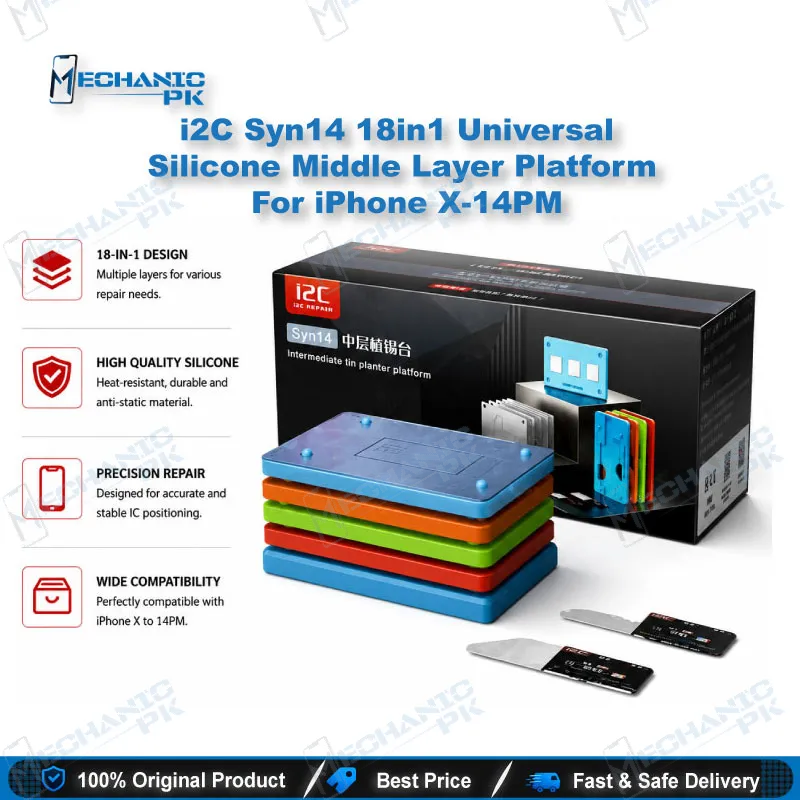
- If the new chip needs fresh solder balls, use a matching reballing kit and stencil.
- Align the orientation mark, reflow evenly, and let the board cool naturally.
- Test the charging current on a DC power supply or USB tester before full reassembly.
Why Exact Part Matching Matters
Samsung used several S2MU-series interface PMICs across different device generations, including the S2MU005 on other platforms. These chips do not share identical internal blocks, so you cannot substitute one for another. Always read the marking on the original chip before you order. For the A320, A520, A720, and G570F boards covered here, the correct replacement is the S2MU004X-C.
Building a Complete Charging Repair Bench
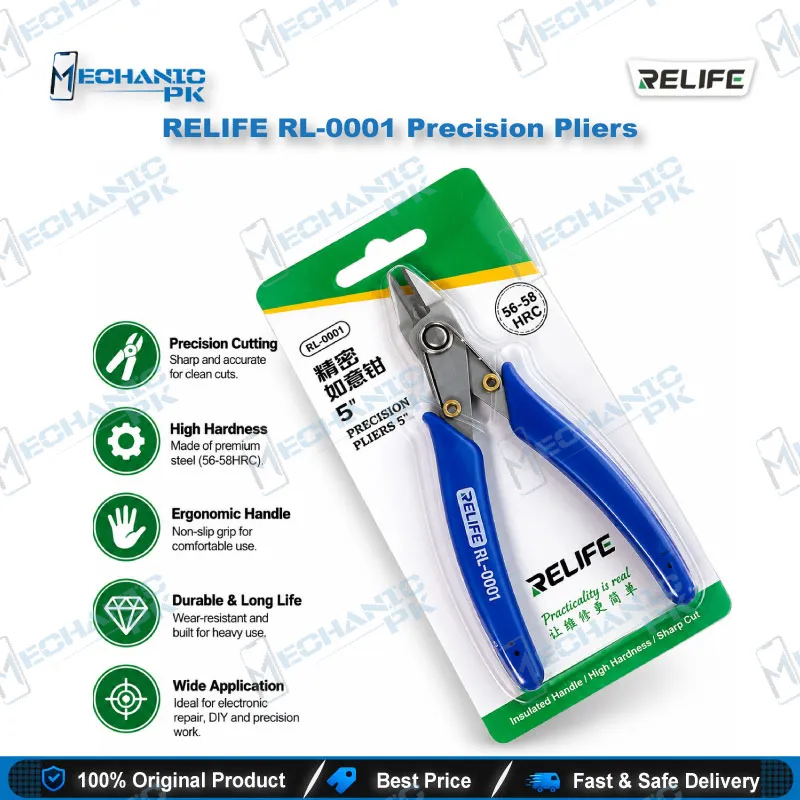
A reliable IC-level charging repair depends on the tools around the part as much as the part itself. Pair this chip with a stable hot air station, a temperature-controlled soldering station, a stereo microscope, a dependable multimeter, a PCB holder, and a reballing kit sized for fine-pitch ICs. That combination lets your workshop handle PMIC and charging IC jobs on Samsung Exynos boards with consistent results.
| Weight | 0.1 kg |
|---|
Key Features
- Correct S2MU004X-C marking for direct replacement on Galaxy A3, A5, and A7 2017 and J5 Prime boards
- Integrates the battery charger, MUIC, OTG power path, and fuel gauge sensing in one interface PMIC
- Handles Type-C CC1/CC2 line control on the A 2017 series boards
- Restores charger detection and charging current control after chip-level failure
- Fixes cable and accessory detection faults that originate in the MUIC block
- Suits professional hot air rework workflows on Samsung mainboards
- A precise part match prevents incorrect substitution with other S2MU-series PMICs
- Sourced for workshops and service centers handling Samsung charging repairs
Specifications
| Brand | Samsung |
|---|---|
| Model | S2MU004X-C |
| Category | Mobile Phone Power IC / Interface PMIC (Charging IC) |
| Compatibility | Samsung Galaxy A320, A520, A720, G570F |
| Technology | Integrated battery charger, MUIC, USB Type-C CC control, OTG power path, fuel gauge sensing over I2C |
Common Repair Uses
- Phone not charging even though 5V reaches the charging port
- Dead phone with a healthy battery caused by a failed interface PMIC
- Overheating near the charging section when power is applied
- Shorted charging input or battery rail traced back to the IC
- USB cable, data, or OTG accessory not detected
- Erratic or frozen battery percentage from faulty fuel gauge sensing
- Charging faults after liquid damage or a voltage spike from a bad charger
- Chip-level replacement after confirming the fault with a multimeter and DC power supply
Compatible Devices
- Samsung Galaxy A3 (2017) SM-A320F
- Samsung Galaxy A5 (2017) SM-A520F
- Samsung Galaxy A5 (2017) SM-A520W
- Samsung Galaxy A7 (2017) SM-A720F
- Samsung Galaxy A7 (2017) SM-A720S
- Samsung Galaxy J5 Prime SM-G570F
FAQ
What is the product name?
What is the brand of this product?
What is the model of this product?
What is this product used for?
Which devices are compatible with this product?
Who should use this product?
Can the S2MU004X-C fix a Samsung A520 that is not charging?
Can I replace the S2MU004X-C with an S2MU005X?
Related products