















YCS PPD 183°C Mid-Temp Solder Paste 50g for Mobile Repair
₨ 1,300
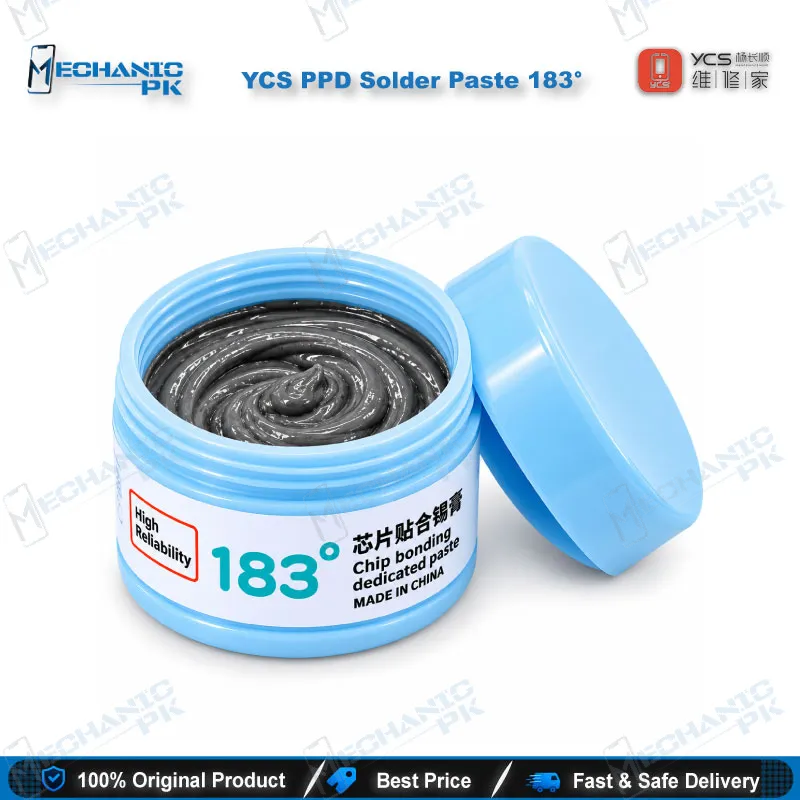
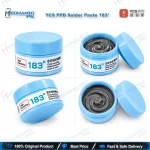
YCS PPD 183°C Solder Paste 50g
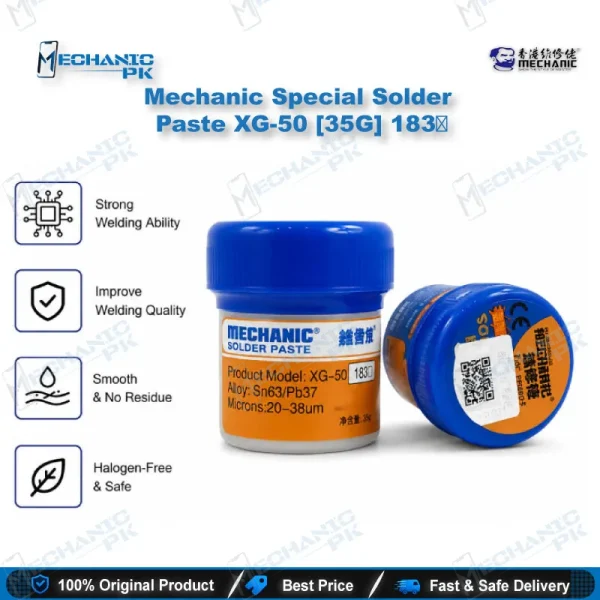
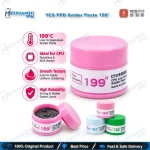
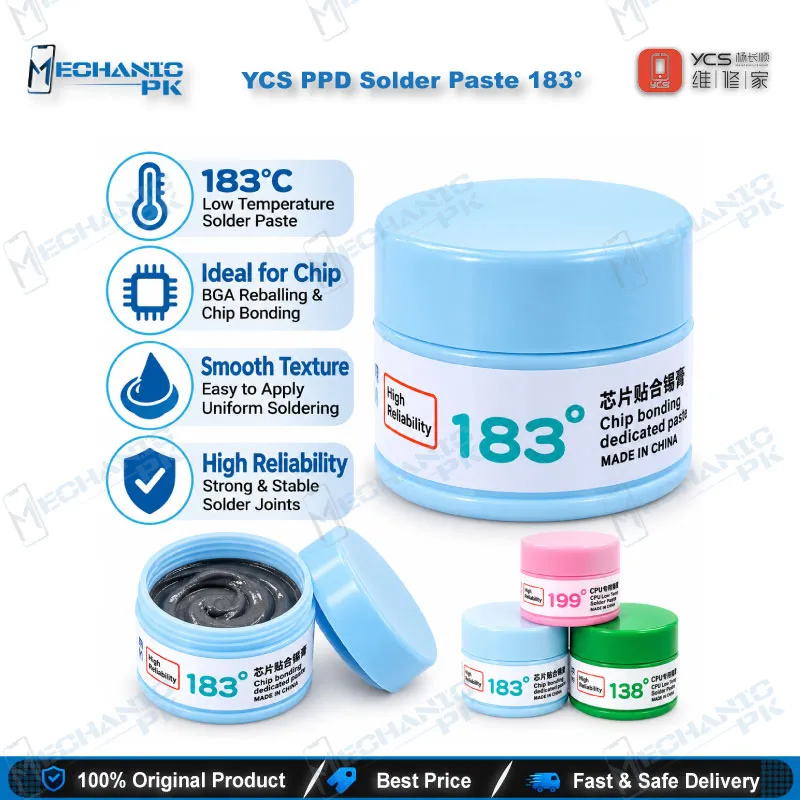
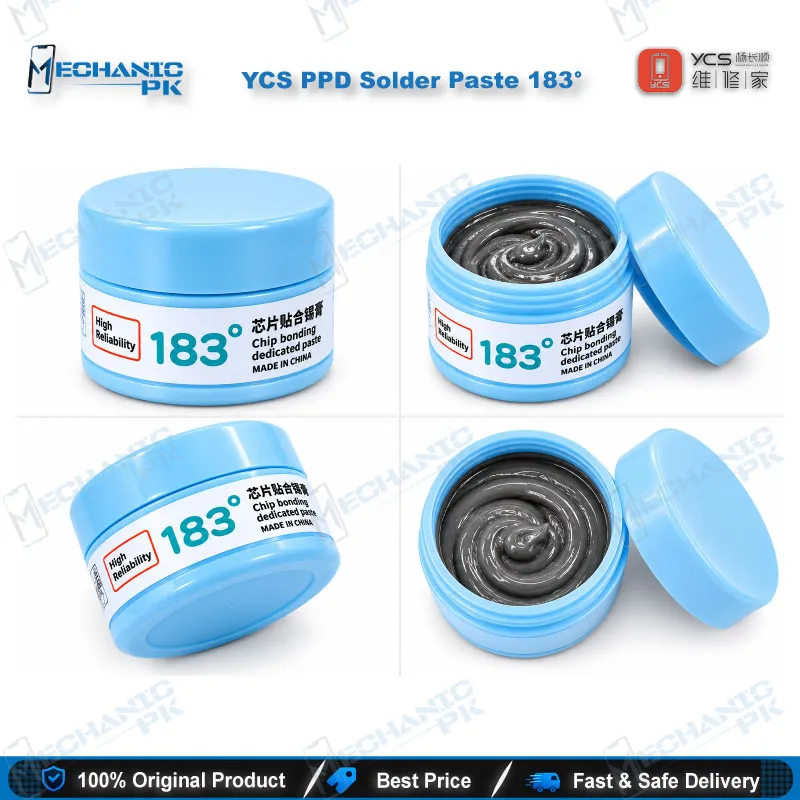
YCS PPD 183°C gives you a mid temperature solder paste for board-level mobile repair. It melts at 183°C, which sets a controlled working temperature for BGA, IC, CPU and PCB soldering on phone logic boards. You use it for IC reballing, pad repair, component installation and multilayer board work. The low-residue formula keeps fine-pitch areas easier to inspect afterward. The 50g container gives your repair bench plenty of paste for daily jobs. Stock it next to your hot air station and reballing kit to complete your workshop setup.
In stock
Mid Temperature Solder Paste in Pakistan: YCS PPD 183°C for Board-Level Work
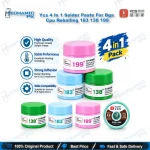
YCS PPD 183°C gives you a mid temperature solder paste in Pakistan that sits between the brand’s 138°C and 150°C low-temperature pastes and its 199°C high-temperature grade. The 183°C melting point suits precision reflow and microsoldering on mobile phone logic boards, from BGA ICs and CPUs to fine-pitch components and multilayer board repairs. The 50g container gives a professional repair bench ample material for daily reballing and IC change karna jobs, and the paste slots straight into the soldering and rework workflow you already run.
How the 183°C Melting Point Shapes Your Rework
Paste selection starts with melting point. At 183°C the paste turns liquid, so you set your hot air station or preheater above that figure and hold the heat only as long as the joint needs. YCS lists 138°C and 150°C pastes for low-temperature work and a 199°C paste for higher-temperature jobs, and the 183°C grade covers the middle ground between them. Pakistani workshops handle boards from every brand, so a mid-range paste keeps your shelf simple and your process repeatable. Dense phone motherboards punish careless heat, so match the paste grade to the parts around your target chip before you fire up the station. Clamp the board in your PCB holders, inspect the pads under a microscope, and clean them back to bare copper. Apply a thin, even layer, because excess paste bridges fine-pitch pads and sends you back to the bench. Note your station temperature, airflow and distance for each board family. Consistent settings turn a 183°C paste into a repeatable result, and your technicians can copy the same routine across every bench in your shop. Pair the paste with a reliable hot air station or soldering station and you control the reflow instead of chasing it.
Reballing, Pad Repair and Component Installation
This paste earns its place on jobs where solder must flow cleanly onto small pads. You use it for IC reballing, pad repair, SMD component installation and multilayer board work, plus BGA and CPU soldering on mobile phone motherboards. Those jobs fill a workshop day: a dead phone with a damaged BGA joint, a charging issue that traces to a lifted pad, a display problem tied to a damaged pad near a connector. Each hardware fault ends with the same requirement, a fully wetted joint with no bridges. Keep your reballing kits beside the paste so you move from lifting the chip to reseating it without hunting for parts. Work in small steps: tin the pads, place the IC under magnification, reflow with steady airflow, then let the board cool before you handle it, because rushing the cooling stage can stress fresh joints. Distributors describe the formula as low-residue, which leaves the area around fine-pitch parts easier to inspect once the reflow finishes. Stable viscosity also helps the paste hold its shape, so components stay put instead of shifting while the joint reflows.
Verify the Repair Before You Close the Phone
Good reflow work still needs proof. Check continuity and shorts with your multimeter, power the board, and confirm the original fault is gone before you reassemble. When the job involves an eMMC or UFS chip, reseat it and read it back with your eMMC programmer, UFS adapter or ISP pinout tool so you confirm the joint before you reflash. Test boxes round out that verification step on boards you bring back from the dead. The 50g container fits easily in a bench drawer next to your station, so the paste stays within reach for every IC change karna job. Shop owners who stock a 50g pack per bench control consumable cost per job and avoid running out mid-repair. Mechanicpk stocks hot air stations, soldering stations, microscopes, reballing kits and PCB holders alongside this paste, so you can build a complete board-level repair bench from one order.
| Weight | 0.50 kg |
|---|
Key Features
- 183°C melting point for precision reflow and microsoldering
- Mid-temperature grade between the 138°C/150°C and 199°C YCS pastes
- Suits BGA, IC, CPU and PCB precision soldering repair
- Smooth application for strong, reliable solder joints
- Low-residue formula for fine-pitch components
- Stable viscosity that resists slumping and component shifting
- 50g container for professional bench use
- Covers IC reballing, pad repair, component installation and multilayer board work
Specifications
| Brand | YCS |
|---|---|
| Model | PPD 183°C |
| Category | Solder Paste |
| Compatibility | BGA, IC, CPU, SMD component and PCB soldering on mobile phone logic boards |
| Supported Devices | Universal — not tied to specific phone models |
| Technology | Mid-temperature solder paste, 183°C melting point, low-residue formula |
| Weight | 50g (container) |
Common Repair Uses
- IC reballing, pad repair, component installation and multilayer board work on mobile logic boards
- IC reballing
- Pad repair
- SMD component installation
- BGA IC replacement
- CPU soldering
- Multilayer board repair
- Fine-pitch component soldering
- Motherboard reflow after IC change
Compatible Devices
- Universal scope — mobile phone logic boards and PCB assemblies; not device-specific
- Mobile phone motherboards (all brands, universal)
- BGA ICs
- CPU chips
- Fine-pitch components
- SMD components
- Multilayer boards
- Lifted or damaged PCB pads
- Reballed ICs
FAQ
What is the product name?
What is the brand of this product?
What is the model of this product?
What is this product used for?
Which devices are compatible with this product?
Who should use this product?
What does the 183°C rating mean for my hot air station settings?
How does the 183°C YCS paste compare with the other YCS paste grades?
Related products