
















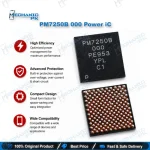
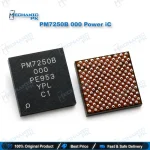
PM7250B 000 Power iC – Qualcomm PMIC for Phone Repair
₨ 300
PM7250B Power IC for Qualcomm Board Repair
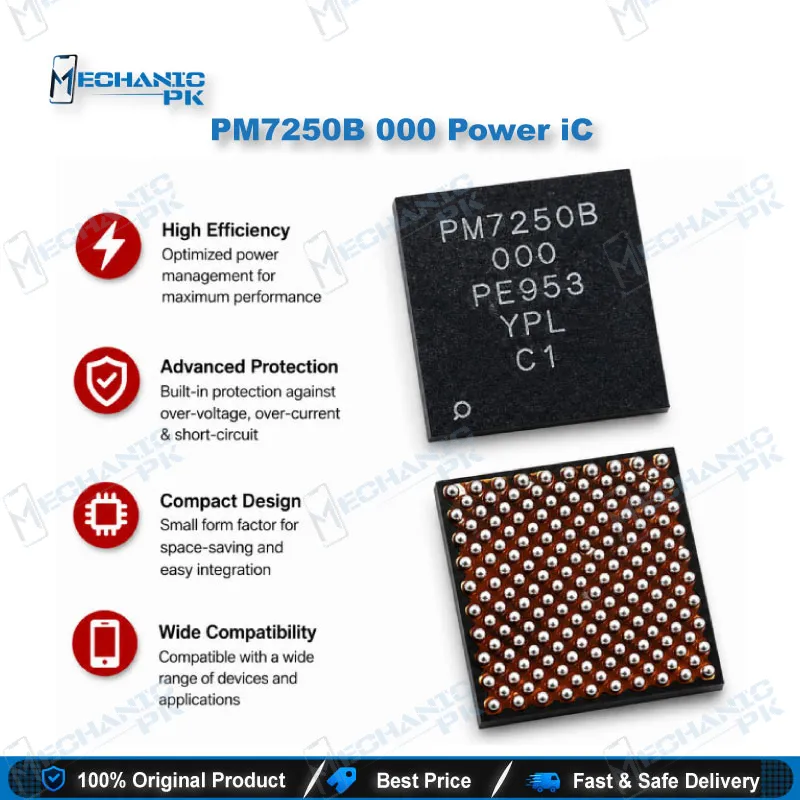
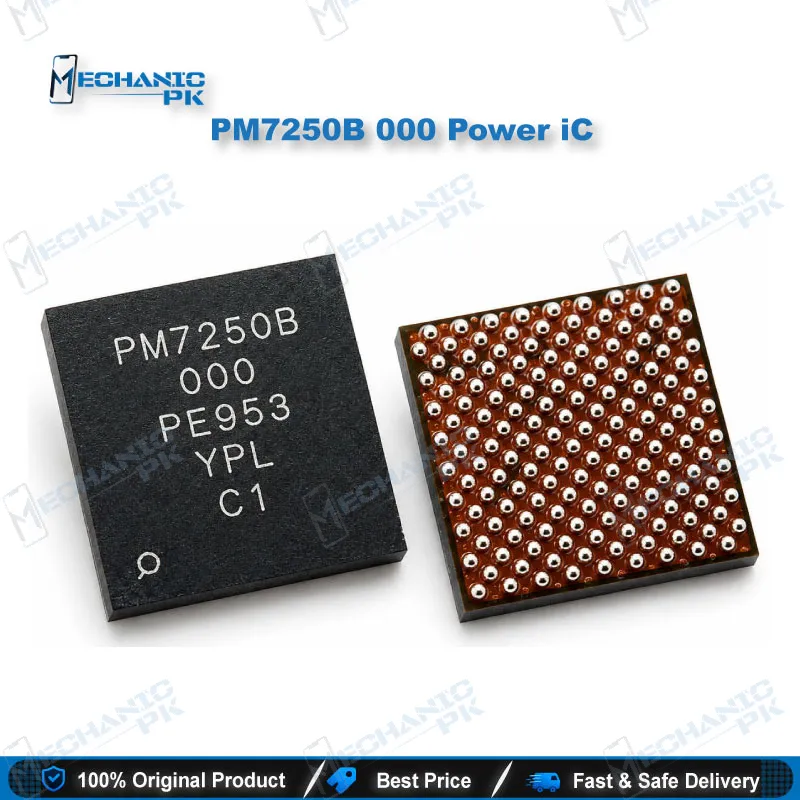
The PM7250B 000 Power iC is a Qualcomm power management IC focused on charging and fuel gauge functions. Its register map includes Type-C and VBUS regulator blocks alongside temperature alarm and ADC functions, so port-side and charging faults can trace back to it. The chip connects to the processor over the SPMI bus, which makes bus integrity a key first check. Mobile repair technicians use it for power path diagnosis on Snapdragon platforms referenced in kernel documentation, including SM6350. Confirm the board marking before ordering, and validate the replacement with a stable bench supply and a known-good battery before returning the device.
PM7250B 000 Power iC is a Qualcomm power management IC built around charging and fuel gauge work, which makes it a core checkpoint when a Snapdragon board will not charge or reports the wrong battery level. If you are working on a PM7250B power IC fault, start with the power path rather than the chip, because the PMIC sits between the USB Type-C input, the battery, and the rest of the power tree. The chip communicates with the processor over the System Power Management Interface (SPMI) bus, so a clean SPMI line is one of the first checks on your bench. Linux kernel device-tree documentation describes the PM7250B as a PMIC used primarily for charging and fuel gauge, with standard functions such as temperature alarm and analog-to-digital conversion. These blocks give you clear fault points. A missing temperature reading, a dead ADC channel, or a failed VBUS input can each trace back to this part, and each one needs a meter or scope check before you condemn the IC. A fuel gauge fault shows up as a battery percentage that jumps or stalls, and it can come from the battery data path as well as the PMIC, so test the battery connector before blaming the chip. The register map also includes a USB Type-C block and a VBUS regulator block, so a port-side fault can originate with the PMIC as easily as with the connector. Build your workflow in order. Confirm the input voltage at the charge port, check the battery line for a valid voltage, and inspect the SPMI lines for shorts to ground. Only after those tests should you lift the chip. Rework on a multilayer board demands a hot air station with stable temperature control, quality flux, and a microscope for pad inspection, because lifting a power IC with damaged pads creates a second fault that looks like the first. Keep a log of voltages at each test point, since a documented starting point makes it faster to spot whether a second board fault remains after the swap. Verify the part marking on the board against the product name before you order, including the variant suffix, since listings for this family show different codes. Pakistani repair shops see many dead phone cases after a charging failure, and this IC is a strong candidate when a device will not start or charges erratically. Keep compatibility decisions tied to verified references. The kernel documentation confirms use with Snapdragon SM6350 platforms, and any device-level fit should be confirmed against the original board reference before installation. After replacement, test the board with a stable bench supply and a known-good battery, watch the current draw during first boot, and confirm charging behavior on the Type-C port before returning the device. Technicians who need a dependable power path for board-level repair will find this part a practical addition to the bench.
| Weight | 0.1 kg |
|---|
Key Features
- SPMI bus interface for communication with the processor
- Charging and fuel gauge management role
- Temperature alarm function
- ADC block for analog measurements
- USB Type-C register block within the PMIC
- VBUS regulator block for USB power input
- GPIO block for general-purpose pin control
- Snapdragon SM6350 platform reference in kernel documentation
Specifications
| Brand Entity | Qualcomm |
|---|---|
| Product Entity | PM7250B 000 Power iC |
| Technology Entity | SPMI-interfaced power management IC |
| Compatible Device Entities | Snapdragon SM6350 platform |
| Repair Process Entity | Charging, fuel gauge, and power path diagnosis |
| Industry Entity | Mobile phone repair parts and ICs |
Common Repair Uses
- Diagnosing no-charge and erratic charging faults
- Tracing USB Type-C and VBUS power input faults
- Checking battery fuel gauge reporting problems
- Diagnosing dead phone cases where the power path fails
- Verifying SPMI bus integrity before IC replacement
- Board-level IC replacement with hot air rework
- Checking temperature alarm and ADC readings
Compatible Devices
- Snapdragon SM6350 platform boards
- Qualcomm SPMI-based designs using the PM7250B power management IC
- Device-level fit: confirm against the original board reference before fitting
FAQ
What is the product name?
What is the brand of this product?
What is the model of this product?
What is this product used for?
Which devices are compatible with this product?
Who should use this product?
Which interface does the PM7250B use to communicate with the processor?
Does the PM7250B handle both charging and fuel gauge functions?
Related products