
















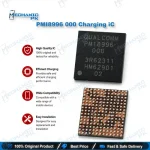
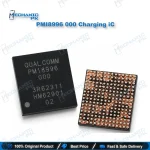
PMI8996 000 Charging IC for Mobile Repair Pakistan
₨ 400
PMI8996 Charging IC for Mobile Repair Technicians
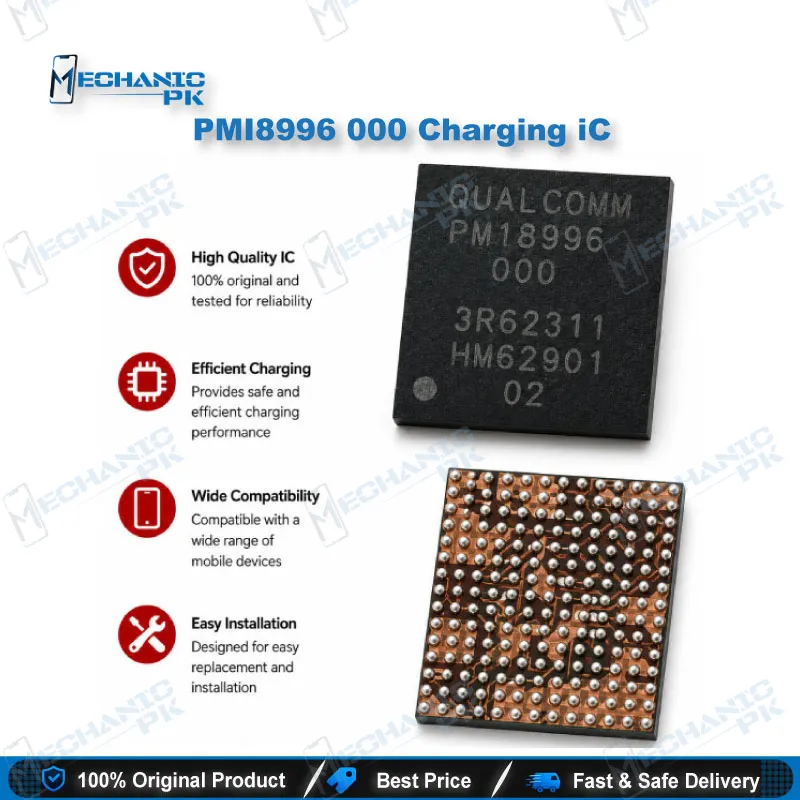
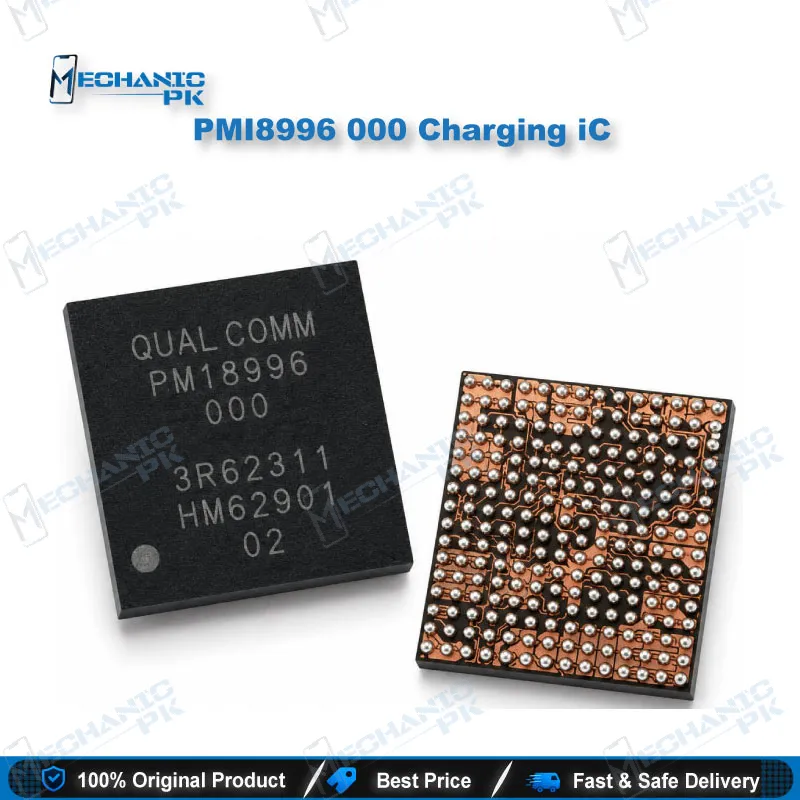
The PMI8996 is a Qualcomm power management IC that handles switch-mode battery charging on MSM8996-platform phones. When a handset shows no charging response or a battery that never climbs, this chip often sits at the centre of the fault. The 000 suffix follows the marking used in distributor listings. Use this part at board level once voltage checks on the charging path confirm a fault, and verify the donor board revision before fitting. Pair it with a hot air station, flux, and a microscope for clean, controlled rework.
PMI8996 Charging IC: Board-Level Replacement Guide
The PMI8996 charging IC is a Qualcomm power management chip that controls how current from the USB input reaches the battery on MSM8996-platform smartphones. Qualcomm does not publish a public datasheet for this part, so your repair decisions rest on board-level measurement, your schematic, and driver-level references. That changes how you should approach it. Treat the PMI8996 as a power-path component rather than a simple charge controller, because it sits between the connector, the battery, and the system rails. Get that relationship right and you avoid replacing a good IC when the real fault is a damaged connector, a shorted capacitor, or a faulty battery connector. Check adjacent charging components for heat damage before you power the board again, since a stressed neighbour can cause a fresh IC to fail early. Patient diagnosis keeps your repair bench efficient and your customers’ phones intact.
Where the PMI8996 Sits in the Charging Path
On the board, the PMI8996 receives input power from the charging port and regulates it toward the battery and system rails. Linux kernel work describes a switch-mode battery charger block in the PMI8994 and PMI8996 family, which tells you what to expect from its function. Map the VBUS path from the connector through protection components before you blame the IC. Keep your schematic or board view open while you trace, because the charging path often passes through several small passives that fail before the IC does. A PMI8996 fault usually shows as no charging indication, a charger detected but a battery percentage that does not rise, or a phone that powers only while USB is connected. Those symptoms overlap with connector and battery faults, so confirm the path first. You get faster results when you note which rail goes dead and which stays alive, because that narrows the fault region quickly on a dense logic board.
Confirming a Fault Before You Replace
Start with a current-limited bench supply or a known-good charger, and measure how much current the handset draws. Check VBUS and the battery-side rails with a multimeter, and compare the readings against a good board of the same model where you have one. Run a diode-mode check on the rails to find shorts, and inspect the IC area under a microscope for cracked balls, lifted pads, or burnt flux residue. The PMI8996 is closely related to the PMI8994, and kernel patches describe differences in discharge resistor values, pmic-id requirements, and ramp settings between the two. That means a donor board is safe only when its revision matches your target. Replace the IC only when your measurements confirm the fault and the surrounding components test clean. Document each reading so the next technician on the same model starts from your numbers, not from guesswork.
Rework Notes and Post-Repair Testing
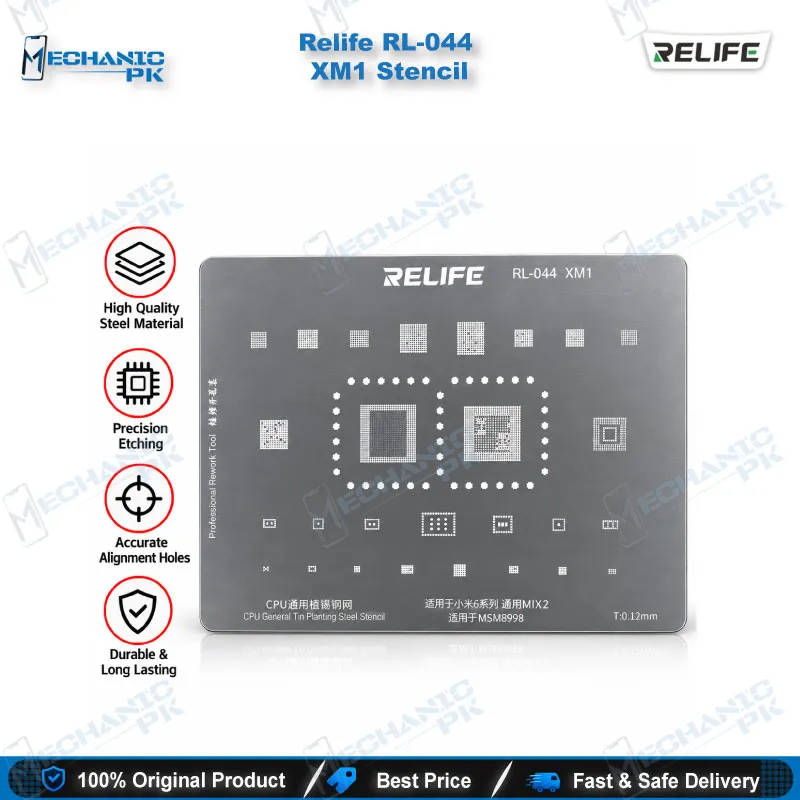
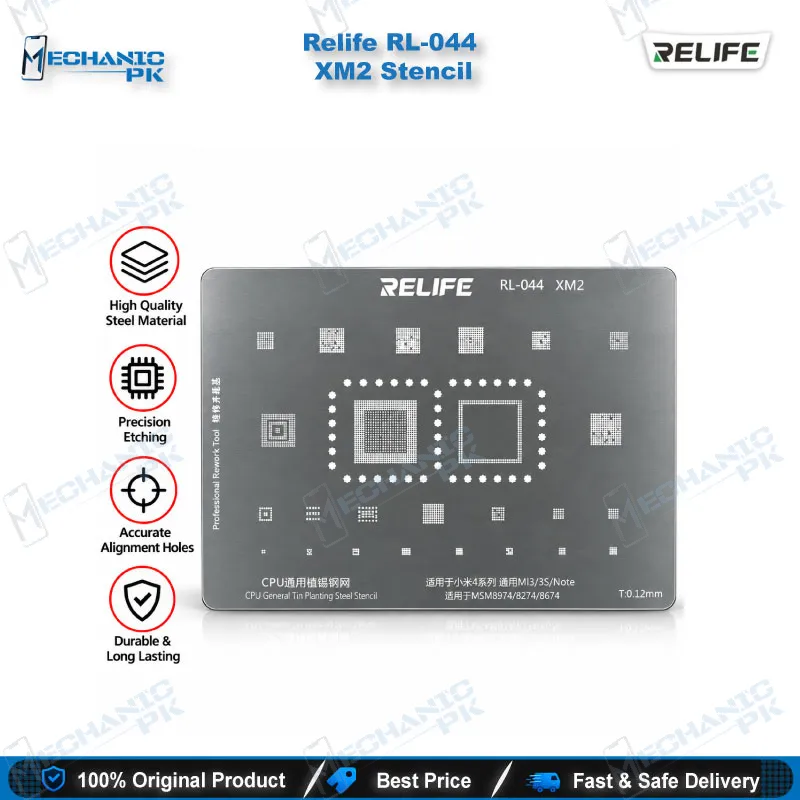
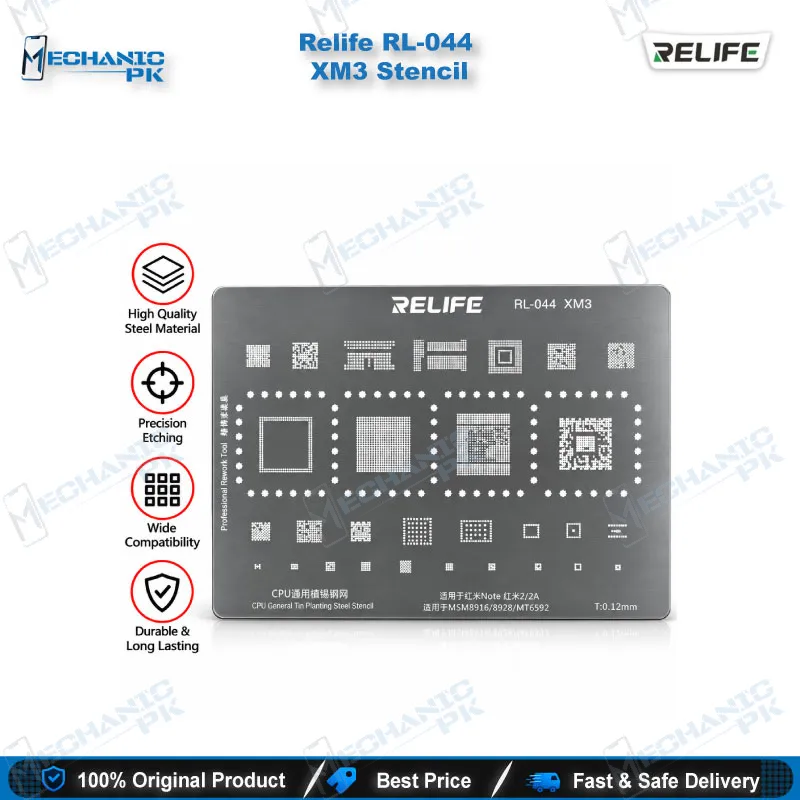
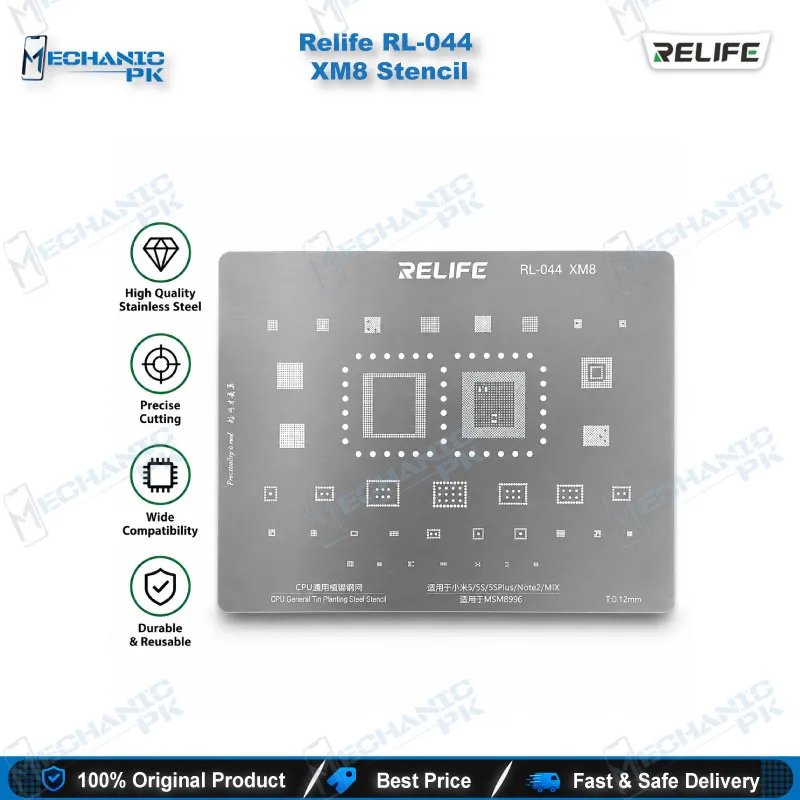
Remove the IC with controlled hot air, keep the nozzle moving, and preheat the board to reduce thermal stress on neighbouring parts. Clean the pads with flux and a fine wick, then confirm there are no bridges under the microscope. Before fitting the new chip, check its marking against your schematic, because the 000 suffix appears in distributor listings rather than in a public Qualcomm datasheet. Reball the chip with the correct stencil and paste for the package if your donor part requires it. After soldering, test charging on a current-limited supply first, then power the handset with the battery connected. Watch the current draw and the battery percentage over a full charge cycle, and log the result. A clean first charge proves the path works, but a long test proves the board stays cool under load.
| Weight | 0.1 kg |
|---|
Key Features
- Qualcomm power management IC for MSM8996-platform charging circuits
- Switch-mode battery charger function on the power path
- Board-level replacement part for hot air rework
- Requires a PMIC revision check against the target board
- Suits technicians with BGA-capable rework equipment
- Pairs with a current-limited bench supply for safe first-power tests
- Related to the PMI8994 family, so donor boards need verification
- Supports structured fault diagnosis on the VBUS and battery rails
Specifications
| Brand | Qualcomm |
|---|---|
| Model | PMI8996 |
| Category | Power Management IC (Charging) |
| Compatibility | MSM8996 platform |
| Technology | Switch-mode battery charger |
Common Repair Uses
- Board-level charging-path repairs on MSM8996-platform phones once connector and battery checks pass.
- Dead phone with no charging indication after connector and battery checks pass
- Charger detected but battery percentage does not rise
- Phone powers only when USB is connected
- Voltage verification of the charging rail before IC replacement
- Board-level replacement after shorted rails are confirmed
- Reballing or re-seating the PMIC during rework
- Donor-board comparison for revision and pinout check
- Bench charging tests after soldering, before reassembly
Compatible Devices
- Chipset-family scope (MSM8996 platform). Model-specific fit must be confirmed against the board schematic.
- MSM8996-platform smartphones (chipset-family scope)
- Qualcomm MSM8996 reference boards
- Boards marked PMI8996 on the charging path
- Boards in the PMI8994 and PMI8996 family, after a revision check
- Phones with dead-phone symptoms traced to the charging PMIC
- Donor boards with a matching PMIC revision
- Workbench replacement and reballing of the PMIC
- Not device-specific: confirm each model against its schematic before fitting
FAQ
What is the product name?
What is the brand of this product?
What is the model of this product?
What is this product used for?
Which devices are compatible with this product?
Who should use this product?
Is the PMI8996 interchangeable with the PMI8994?
What symptoms point to a faulty PMI8996 charging IC?
Related products