














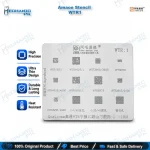
Amaoe Stencil WTR1 Qualcomm WTR RF IC Reballing Stencil
₨ 599
Qualcomm WTR Reballing Stencil, 0.12mm
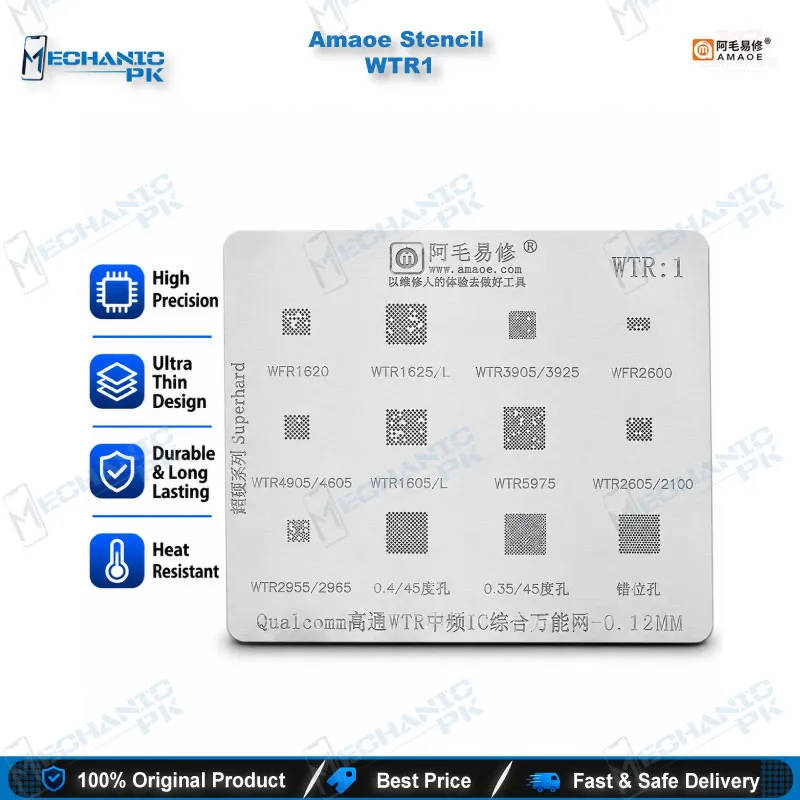
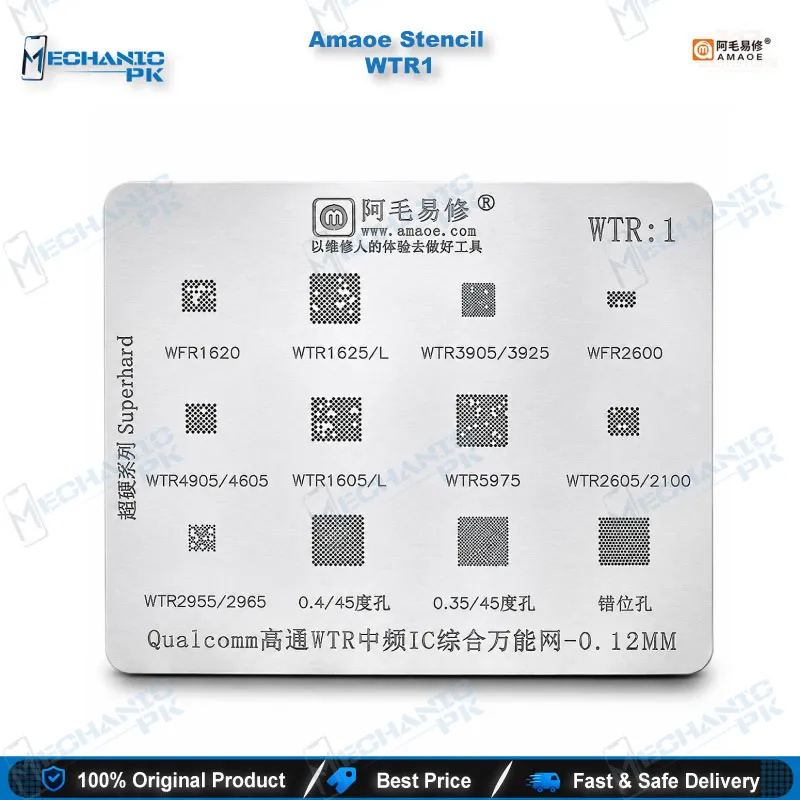
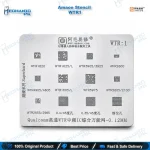
The Amaoe Stencil WTR1 gives you a 0.12mm steel template for reballing Qualcomm WTR and WFR RF transceiver ICs. It lists thirteen supported chips, including WTR1605L, WTR1625L, WTR2955, WTR3925, WTR4905 and WTR5975, so one plate serves most network-section reballs on your bench. Use it after you remove a faulty transceiver with a hot air station and clean the pads, then deposit uniform solder balls before reflow. You get one stencil per order, ready for IC-level repairs on dead phones, weak signal and no service faults.
In stock
Amaoe Stencil WTR1: Qualcomm WTR Reballing Stencil Overview
The Amaoe Stencil WTR1 is a 0.12mm Qualcomm WTR reballing stencil for the RF transceiver and IF ICs that carry cellular signal on Qualcomm-based phone boards. One plate covers thirteen part numbers, from WTR1605L through WTR5975 plus WFR1620 and WFR2600, so you stop hunting for a separate template every time a phone with a network issue reaches your bench. Mechanicpk supplies it as a single steel stencil for technicians who already work at IC level and want repeatable solder deposits on RF packages.
Reading the Part Number List Before You Order
The WTR1 lists WFR1620, WTR1625L, WTR3905, WTR3925, WFR2600, WTR4905, WTR4605, WTR1605L, WTR5975, WTR2605, WTR2100, WTR2955 and WTR2965 as supported chips. Treat that list as your selection rule. The marking on the IC you lift from the board decides whether this plate fits, not the phone model or the brand name on the back cover. Check the marking under the microscope before you buy, and you avoid the common mistake of ordering a stencil for the wrong transceiver generation.
The 0.12mm steel sheet gives you a thin, flat template that sits tight against cleaned pads. A flat seating surface matters on RF packages because small gaps let solder bridge between neighbouring pads and force you to start the reball again.
Where the Stencil Fits in a Network Repair
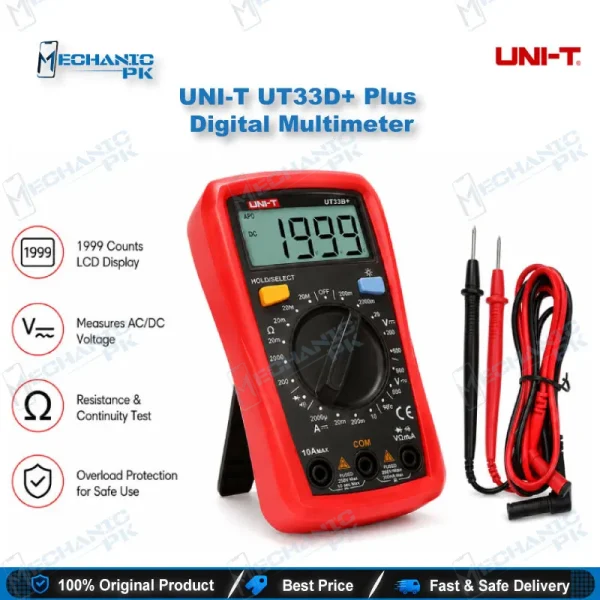
Transceiver work usually starts after you rule out the cheap faults. You test the SIM tray and antenna path first, then confirm supply rails with a multimeter, and only then decide the RF IC needs attention. At that point the stencil enters the process.
You remove the chip with a hot air station, clean the pads with flux and desoldering wick, and inspect the pads under the microscope. Next you seat the IC in a holder, align the stencil apertures with the pads, and apply solder paste or place balls through the openings. A controlled reflow forms the new balls. You lift the plate, check ball height and spacing, and refit the chip on the cleaned board.
This sequence suits boards with weak signal, no service, or a dead phone after a failed reflow. It also suits rework where you replace a damaged transceiver with a fresh part and need clean, uniform pads on the donor side.
Working Notes for Your Repair Bench
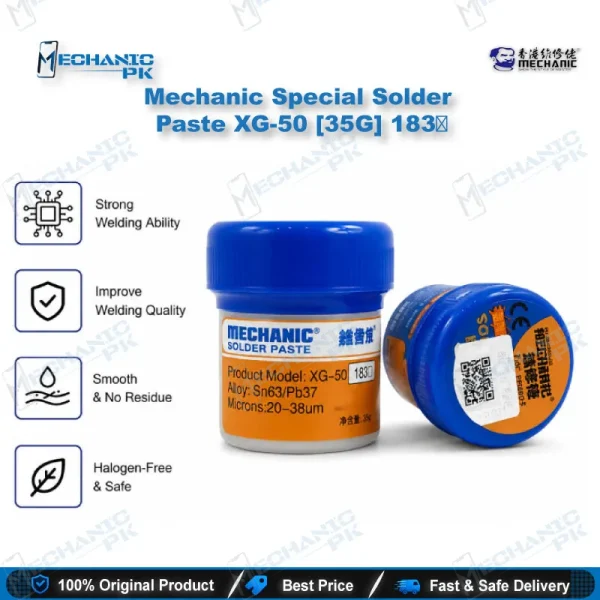
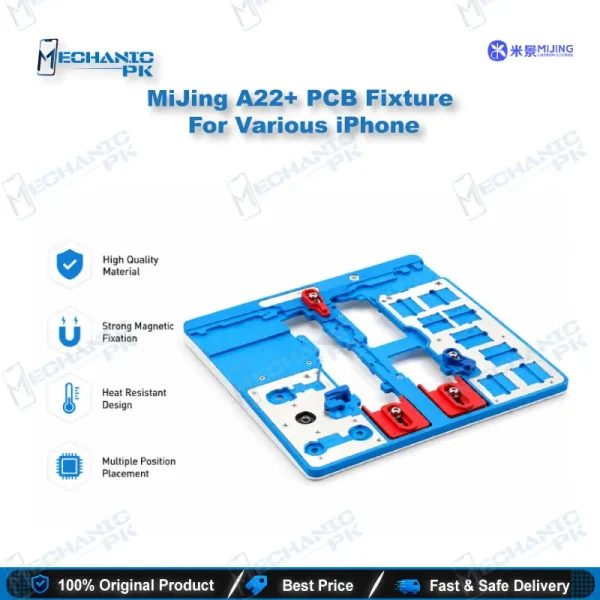
Pair the stencil with a stable PCB holder so the board does not shift while you align the plate. Keep hot air airflow low during reflow, because a strong stream can blow the paste or move the stencil off the pads. Clean the stencil with flux remover after every job. Leftover paste in the apertures leads to uneven balls on the next chip.
Photograph the IC orientation before you remove it, and compare the picture with the stencil layout when you align the plate. A rotated chip is a hardware fault you create yourself, and it costs a second reball to fix. Choose solder balls or paste sized for the stencil openings, since oversize balls refuse to seat and undersize balls leave voids. Store the plate flat in its sleeve or a stand between jobs, because a bent stencil never seats evenly again.
The WTR1 handles the RF side of a Qualcomm board. For the processor, audio and wireless chips on the same motherboard, you need separate stencils from the Amaoe range, and a full reballing kit with solder balls, flux and tweezers completes the setup. A temperature-controlled soldering station helps with pad cleanup, and a good microscope helps you confirm every ball before you close the phone.
If your workshop repairs mixed Qualcomm models every week, one plate that spans WTR1605L to WTR5975 keeps your reballing drawer short and your RF jobs consistent. Technicians who started with basic hand soldering often move to stencil-based reballing at exactly this point, because RF faults repeat and each job pays for the tool.
| Weight | 0.1 kg |
|---|
Key Features
- 0.12mm steel stencil for Qualcomm WTR and WFR chips
- Thirteen supported part numbers on one plate
- Covers WTR1605L, WTR1625L, WTR2955 and WTR5975 families
- Includes WFR1620 and WFR2600 IF/RF parts
- Flat, thin template that seats against cleaned pads
- Suits hot air reflow reballing workflows
- Single-plate package for a compact reballing drawer
- Built for IC-level technicians working on network faults
Specifications
| Brand | Amaoe |
|---|---|
| Model | WTR1 |
| Category | BGA Reballing Stencil |
| Compatibility | Qualcomm WTR and WFR RF transceiver / IF ICs |
| Technology | BGA reballing stencil, 0.12mm thickness |
| Material | Stainless steel |
Common Repair Uses
- Reballing Qualcomm RF transceiver ICs during network-section repair
- Reballing a removed WTR or WFR chip before refitting
- Replacing a damaged RF transceiver with a new part
- Repairing weak signal faults traced to the transceiver
- Repairing no service faults after the RF section tests faulty
- Recovering a dead phone after a failed RF IC reflow
- Cleaning up uneven or missing solder balls on WTR ICs
- Preparing a donor-board RF chip for reuse
- Network issue rework with a hot air station at IC level
Compatible Devices
- Qualcomm WTR/WFR RF transceiver and IF ICs (chip-level scope, not phone-model specific)
- WTR1605L
- WTR1625L
- WTR1620 / WFR1620
- WTR2100 / WTR2605
- WTR2955 / WTR2965
- WTR3905 / WTR3925
- WTR4605 / WTR4905
- WTR5975 / WFR2600
FAQ
What is the product name?
What is the brand of this product?
What is the model of this product?
What is this product used for?
Which devices are compatible with this product?
Who should use this product?
Which Qualcomm WTR chips does the Amaoe WTR1 stencil support, and how thick is it?
Can the Amaoe WTR1 stencil reball Qualcomm CPU or audio ICs?
Related products